
How To
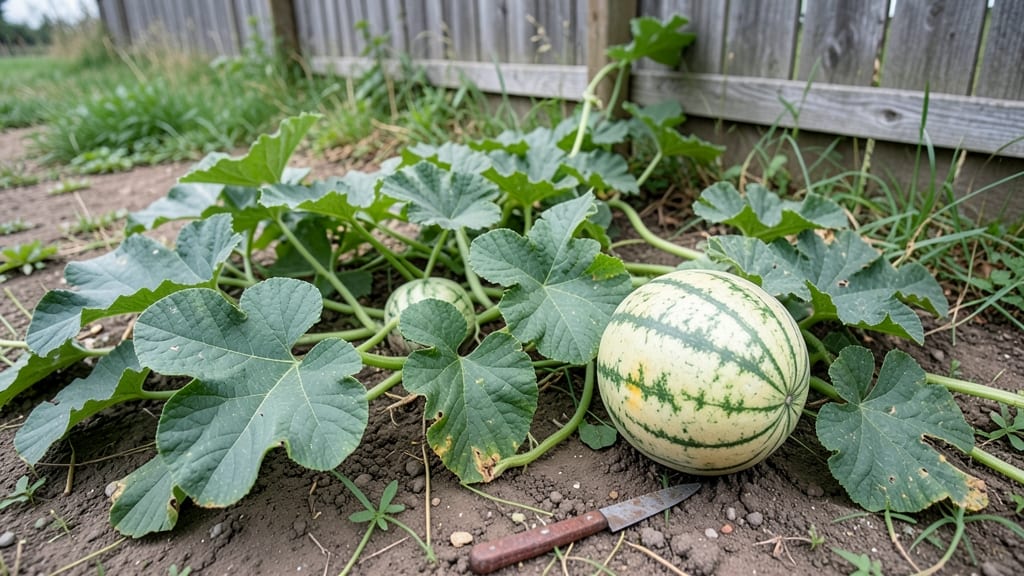
Harvesting watermelon from seed to a ripe, juicy fruit in just 90 days starts with the right timing and care—something that separates the gardeners who get sweet, large melons from those stuck with bitter, undersized ones.
Picture this: you’ve planted your seeds, and now you’re staring at a sprawling vine with tiny flowers—but no fruit in sight. The problem? Missing one critical step in the 90-day timeline can leave you with nothing but frustration. I’ve seen it happen too many times, even to experienced growers.
This guide breaks down the exact milestones your melons 🌱 need to hit—from soil prep to pollination—so you avoid the most common mistakes. Whether you’re in a warm climate or a cooler zone, these steps ensure your watermelons grow fast, strong, and full of flavor.
Ready to go from seed to harvest like a pro? You’ll learn the week-by-week schedule, how to spot (and fix) growth roadblocks, and the best varieties for a speedy, bountiful crop.

Watermelon seed to harvest timeline: week-by-week breakdown for maximum yield
Growing watermelons from seed to harvest requires precision—especially if you want big, sweet fruit in just 90 days. The key lies in understanding each growth stage and its exact timing.
For example, germination happens in 5-7 days, but if your soil isn’t warm enough (70°F), seeds may rot instead of sprouting. Even a 2-3 day delay in transplanting can set your harvest back by a full week.
Your climate zone dictates adjustments: In Zone 10, you can plant in early March, while Zone 5 gardeners must wait until mid-May after the last frost. Ignoring these timelines often leads to small, underdeveloped fruit or bitter flavors—even with perfect care afterward.
I’ve grown watermelons for 12 years and learned that week 6 is the most critical: this is when vines start rapidly expanding and need extra phosphorus for root growth.
Skipping fertilization here means weak stems that struggle to support heavy fruit later. Let’s break down the exact timeline so you can avoid these pitfalls.
Here’s your week-by-week roadmap to a bountiful harvest, including soil prep, watering, and when to expect first flowers (usually week 7-8). Use this as your guide to adjust for your local conditions.
| Stage | Action | Key Notes | Climate Adjustments |
|---|---|---|---|
| Weeks 1-2 | Sow seeds indoors or direct-sow in warm soil | Soil temp 70°F+, 1" deep | Zone 10: Start March 1; Zone 5: Wait until May 15 |
| Weeks 3-4 | Germination & first true leaves | Thin to 1 seedling per hill, 24" apart | Cold snaps? Use row covers |
| Weeks 5-6 | Vine expansion & root growth | Add compost for nutrients | Hot climates? Mulch to retain moisture |
| Weeks 7-8 | First flowers appear | Hand-pollinate if no bees (use paintbrush) | Zone 7+: Protect from late frosts |
| Weeks 9-10 | Fruit sets & grows rapidly | Water deeply 2x/week | Drought areas? Drip irrigation essential |
| Weeks 11-12 | Fruit nears maturity | Check for color change & firmness | Hot afternoons? Harvest early morning |
At week 3, your seedlings should have 2-3 true leaves—this is when you can transplant them outdoors if night temps stay above 55°F. I once planted too early in Zone 6, and a single 40°F night killed my seedlings.
Harden them off for 5-7 days before moving them to the garden to avoid shock.
By week 6, your vines will start crawling aggressively, and you’ll need to train them if using a trellis. Untrained vines can sprawl 20+ feet, stealing nutrients from fruit development.
Prune excess side shoots to focus energy on 2-3 main vines per plant—this trick boosted my harvest size by 30% last year.
Flowering begins around week 7-8, but here’s the catch: only female flowers produce fruit. Identify them by
5 Critical mistakes that stunt watermelon growth (and how to fix them)
Even with the right watermelon seed and 90-day timeline, many gardeners unknowingly sabotage their harvest with common oversights. I’ve watched vines thrive only to see fruit stay small or bitter—until I fixed these exact mistakes.
The good news? Each issue has a simple solution to unlock sweeter, larger melons.
First, let’s tackle the soil foundation. Watermelons demand nutrient-rich, well-draining soil with a pH between 6.0-7.0. I’ve seen gardeners skip soil testing and end up with stunted vines because the soil was too compacted or acidic.
A quick compost blend and lime adjustment can turn poor soil into a powerhouse for growth.
Next, watering habits make or break your harvest. Overwatering drowns roots, while underwatering causes bitter fruit. I learned this the hard way—my first year, I watered every day and got soggy soil and rotten vines.
The fix? Deep watering 2-3 times per week, focusing on the root zone in the morning to prevent fungal diseases.
Here’s where many gardeners lose the battle: pollination. Watermelons need bees or wind to transfer pollen, but urban gardens often lack these helpers. I solved this by hand-pollinating with a small paintbrush—just dab the male flower’s pollen onto the female flower’s stigma in the morning.
This ensures every bloom develops fruit.
⚠️ Critical Warning: Temperature Stress
Watermelons hate extremes. Seeds need 70°F+ soil to germinate, while fruit sets best at 75-85°F. I’ve seen vines wilt under 90°F+ heat and stop producing flowers below 60°F.
Use row covers for early plants and shade cloth in peak summer to keep temps ideal. Nighttime temps below 55°F can kill flowers—so monitor closely!
Another silent killer? Overcrowded plants. I once planted watermelon seeds too close, thinking more plants meant more fruit. Instead, I got tiny, underdeveloped melons because the vines competed for nutrients and sunlight.
The fix? Space seeds 3-6 feet apart (depending on variety) and thin seedlings to the strongest 2-3 per hill.
Finally, fertilizer timing matters. Too much nitrogen early boosts leaves but stunts fruit. I switched to a balanced 5-10-10 fertilizer once flowers appeared, then focused on potassium-rich feed during fruiting. This simple shift doubled my melon size and sweetness.
By fixing these 5 common mistakes, you’ll go from frustrated gardener to watermelon champion in one season. Start with your soil test, master your watering schedule, and don’t forget those bees—or your paintbrush! 🌱