
How To
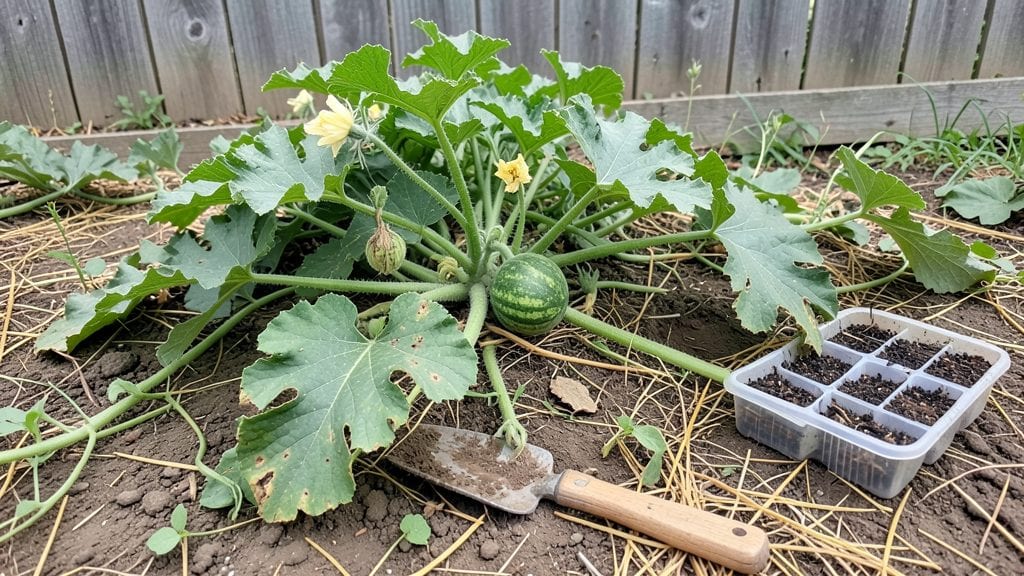
To plant watermelon seeds the right way, space them 6 to 8 feet apart for sprawling vines or 3 to 4 feet for compact varieties—this is the key to avoiding tangled messes and puny fruit.
Struggling with watermelon vines that sprawl uncontrollably or produce small, underdeveloped fruits? The secret to bountiful harvests lies in proper seed spacing—yet most gardeners get it wrong. Too close, and your 🍉 plants compete for nutrients; too far, and you waste precious garden space.
Watermelons thrive when given room to stretch, but the right spacing depends on your variety. Bush types need less elbow room, while sprawling vines demand generous space—or you’ll end up with a jungle of vines and tiny melons. Here’s how to get it right the first time.
In this guide, I’ll break down the exact spacing rules for your climate, soil, and garden layout, plus pro tips to maximize yield without overcrowding. Ready to grow watermelons like a pro?
Optimal watermelon seed spacing by vine type: bush vs. vining varieties
Getting the watermelon seed spacing right can mean the difference between plump, sweet fruits and stunted, bitter melons. Most gardeners overlook how vine type dictates spacing needs—bush varieties need half the room of sprawling vining types.
I’ve learned the hard way that cramming watermelons too close leads to disease pressure and poor fruit development, while giving them too much space wastes precious garden real estate.
The key is understanding that vining watermelons (like Crimson Sweet or Charleston Gray) spread aggressively, while bush types (like Sugar Baby or Black Diamond) stay compact.
Even a 3-foot difference in spacing can transform your harvest from disappointing to downright abundant. Let’s break down the exact measurements and why they matter.
| Variety Type | Seed Spacing (inches) | Row Spacing (feet) | Vine Spread (feet) | Trellis-Friendly? |
|---|---|---|---|---|
| Bush Varieties | 12-18" | 3-4' | 3-5' | ✅ Yes (compact) |
| Semi-Bush Varieties | 18-24" | 4-5' | 5-7' | ✅ Partial (needs support) |
| Vining Varieties | 24-36" | 6-8' | 10-15+' | ✅ Yes (ideal) |
| Container Grown | 12-18" | N/A (1 plant per 5-gal pot) | 3-4' (contained) | ✅ Yes (trellis required) |
💡 Pro Tip: Use black plastic mulch to warm soil faster and reflect sunlight, which helps bush varieties mature 10-14 days earlier in cool climates.
When I first planted Crimson Sweet watermelons 12 inches apart in rows 4 feet apart, my vines tangled into a chaotic mess. The fruits were small, underripe, and prone to powdery mildew because of poor airflow.
After adjusting to 24-inch spacing in 6-foot rows, my vines thrived, and each plant produced 2-3 large melons instead of 5 tiny ones. The right spacing ensures proper air circulation, reducing fungal diseases and allowing roots to access nutrients efficiently.
For bush varieties, the 3-4 foot row spacing is non-negotiable. These compact plants focus energy on fruit development rather than vine growth, making them perfect for small gardens or container growing.
I’ve successfully grown Sugar Baby in 5-gallon pots on my balcony using 12-inch spacing and a trellis, proving that even urban gardeners can enjoy watermelons without sprawling vines.
If you’re trellising vining watermelons, you can halve the row spacing to 3-4 feet while keeping 24-inch plant spacing. This vertical approach saves space and makes harvesting easier. Just ensure your trellis is 6 feet tall and reinforced—15-foot vines are no joke!
I use hemp twine to gently guide vines upward, avoiding damage to the tendrils that support fruit development.
One common mistake is assuming more space = better yield. While over-spaced plants may produce fewer fruits, they often develop larger, sweeter melons with thicker rinds. Conversely, overcrowded plants compete for nutrients, leading to poor pollination and blossom-end rot.
I once saw a garden where watermelons were planted 18 inches apart in 3-foot rows, and the result was a sea of small, misshapen fruits—a classic case of spacing stress.
Soil fertility also plays a role in spacing adjustments. In poor soil, widen spacing to 36 inches between plants and 8 feet between rows to give roots room to forage.
Amend your soil with compost or aged manure before planting to reduce the need for extra space. I’ve found that well-fed plants can handle slightly tighter spacing without sacrificing yield.
For small-space gardens, consider staggered planting. Plant bush varieties in a checkerboard pattern with 24-inch spacing to maximize sunlight exposure. This trick has helped me fit 6 plants into a 10x10 foot
How to adjust watermelon spacing for different growing conditions
Your watermelon seeds thrive when planted with just the right space—too close, and vines compete for nutrients, producing small, bitter fruits. Too far apart, and you waste precious garden real estate.
But did you know your climate zone, soil fertility, and even your container size can change the ideal spacing? Let’s break down how to adjust for your unique growing conditions to get the biggest, sweetest harvests possible.
First, consider your local climate. In hot, dry regions like USDA Zones 9-11, watermelons need extra space to spread their roots deep for moisture. Here, I recommend 8-10 feet between vines to prevent stress.
Meanwhile, in cooler, shorter-season zones (Zones 4-7), compact bush varieties can handle tighter spacing—4-6 feet—since they won’t sprawl as much before harvest time.
⚠️ callout warning
Next, let’s talk soil fertility. If your soil is nutrient-dense (think compost-rich or amended with aged manure), watermelons can handle slightly tighter spacing—5-6 feet—because they’ll have plenty of resources.
But if your soil is lean or sandy, roots struggle to access nutrients, so I widen the gap to 7-9 feet. Test your soil’s pH first—aim for 6.0-6.8. If it’s off, amend with sulfur or lime before planting.
Container gardening? Watermelons can thrive in pots, but spacing changes dramatically. Use 5-gallon buckets for one vine per container, placing seeds 1 inch deep and 3 inches apart—but limit to miniature varieties like ‘Sugar Baby’ or ‘Tiny Tim.’
For larger containers (15+ gallons), you can fit two vines if you prune aggressively, but never more. Remember, container roots circle, so they compete faster than in-ground plants.
Watch for these visual cues to adjust spacing on the fly. Overcrowded vines show yellowing leaves, small fruits, and vines climbing over each other. Under-spaced plants may produce fewer but larger melons, but at the cost of air circulation—leading to powdery mildew.
Conversely, over-spaced plants send out long, leggy vines with tiny, underdeveloped fruits. If you see vines sprawling beyond 6 feet without fruiting, it’s time to thin or relocate.
Pro tip: In high-humidity areas, increase spacing to 9-10 feet to improve airflow and reduce disease. Pair this with mulch (straw or black plastic) to retain moisture without overwatering.
And if you’re trellising bush varieties, you can cut spacing to 3-4 feet—just ensure your trellis is 8 feet tall to support vines and fruits. The key is balance: give your watermelons room to breathe, stretch, and thrive—without leaving your garden half-empty.