
Lawn
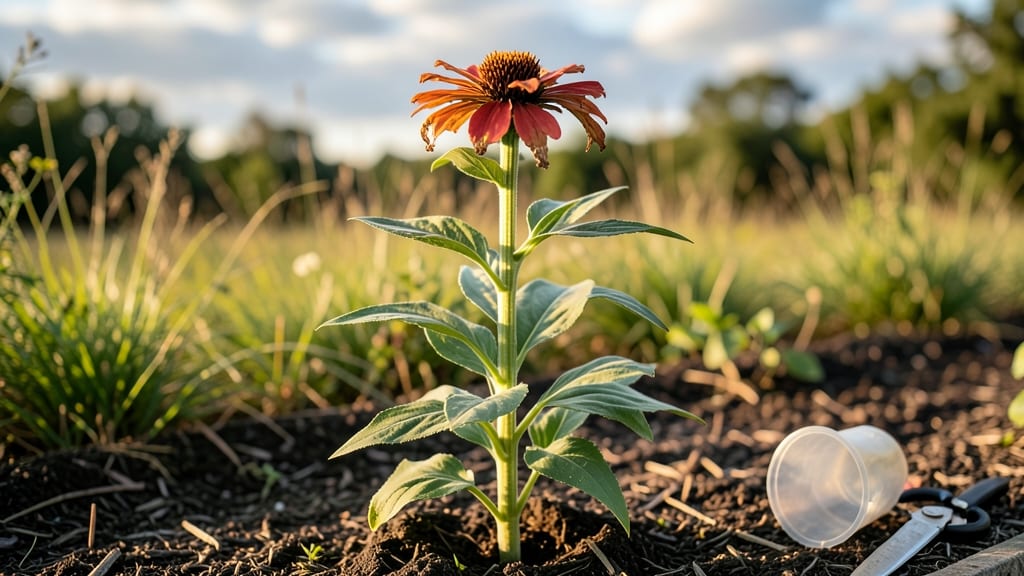
There’s nothing worse than watching your basil went to seed or lettuce bolt—suddenly, those lush greens you counted on for weeks turn bitter, and your harvest fades faster than you can say "pesto." 🌱 I’ve seen this happen more times than I can count, but I’ve also learned how to coax plants back from the brink when they go to seed.
The key isn't complicated: it's about understanding why it happens and acting fast with the right care.
Most plants bolt because of heat stress, over-maturity, or poor soil conditions. Basil and lettuce are classic examples—they'll send up flower stalks when days get long or soil stays too warm. The good news?
You can often revive them by providing shade, adjusting watering, or even cutting back the seed stalks to encourage new growth. It takes about 1-2 weeks of consistent care to see results, and the payoff is worth it.
What you'll end up with are plants that look shockingly lush again, producing tender leaves instead of bitter stems. The secret is acting before the seed pods form—once they do, it's time to pull and start fresh.
For herbs like basil, a simple shade cloth and cooler water at the roots works wonders. With veggies, succession planting becomes your best friend.
This trick works for almost any plant that bolts, from spinach to cilantro. The only real rule? Don't wait too long. Grab your pruners and let's bring those plants back to life before they give up completely.
📚 In This Guide
- What you need
- Instructions
- Tips and common mistakes
- Wrapping up and next steps
What you need
- ● Pruning shears or sharp scissors – For clean cuts (avoid tearing stems). Quantity: 1 pair
- ● Garden gloves – Protect your hands from thorns or rough stems. Recommended: Nitrile-coated for durability
- ○ Watering can or hose with a gentle nozzle – For hydrating plants post-pruning. Optional: Add a rain gauge for precision
- ● Compost or well-aged manure – Quantity: 2–3 gallons (or enough to amend soil around plants)
- ● Balanced fertilizer (10-10-10 or similar) – Quantity: 1–2 tbsp per plant (follow package instructions)
- ● Mulch (straw, shredded leaves, or wood chips) – Quantity: 2–3 inches to retain moisture and suppress weeds
- ● Garden trowel or spade – For mixing amendments into the soil. Quantity: 1
- ○ Spray bottle with water – For misting seeds or cuttings if propagating (optional but helpful)
- ● Plant identifiers or labels – If you’re unsure which flowers you’re reviving (e.g., Echinacea, Coneflower, or Black-Eyed Susan)
- ● Organic neem oil or fungicide – To prevent disease if plants look stressed post-pruning
- ● Knee pads or a small stool – For comfort during prolonged gardening sessions
- ● Camera or phone – To document progress (because before-and-after pics are satisfying!)
Instructions for reviving flowers that have gone to seed
Here's the straightforward method I use to coax new blooms from tired, seed-filled stems.
🌱 Step 1: Identify and Prepare the Right Stems
First, examine your plants and select stems that have gone to seed but still show signs of life—green leaves or new growth at the base. Avoid completely brown, brittle stems, as they won’t respond. I like to work in the morning when the plants are hydrated and ready for handling.
Using clean, sharp pruning shears, cut back the seed heads about 2 inches above the first set of healthy leaves. This removes the spent flowers while preserving the plant’s energy reserves. If the stem is woody or thick, make the cut at a slight angle to prevent water from pooling and rotting the stem.
💧 Step 2: Refresh the Soil and Water Deeply
Before new growth can emerge, the plant needs a nutrient boost and proper hydration. Loosen the top 2 inches of soil around the base of the plant with your fingers or a small hand fork. This helps roots access oxygen and water more easily.
Water the plant deeply until water flows out of the drainage holes at the bottom of the pot or until the soil feels damp 6 inches down. Avoid wetting the leaves to prevent fungal diseases. I often add a slow-release fertilizer to the soil at this stage to give the plant a gentle nutrient kick without overwhelming it.
☀️ Step 3: Provide Ideal Light and Temperature
Most flowers that go to seed need 6-8 hours of sunlight daily to encourage new blooms. If your plants were in a shady spot, move them to a sunnier location, but avoid sudden exposure to intense afternoon sun, which can scorch new growth. A south- or west-facing window is ideal for indoor plants.
Keep the temperature consistent between 65-75°F. If your home runs cooler, especially at night, consider moving the plant near a warm wall or using a small space heater on low. You’ll notice new growth within 2-3 weeks if the conditions are right—look for fresh, vibrant leaves emerging from the base or along the stem.
✂️ Step 4: Encourage New Blooms With Pruning and Care
Once you see new growth, it’s time to encourage flowering. Pinch back any leggy or overly long stems to promote bushier growth. For plants like zinnias or cosmos, I remove the first few flowers that appear to redirect the plant’s energy into stronger stems and more abundant blooms later.
Continue watering when the top 1-2 inches of soil feel dry, and feed with a balanced liquid fertilizer every 2-3 weeks during the growing season. Avoid over-fertilizing, as this can lead to lush foliage but fewer flowers. Watch for new buds forming at the base of the plant—these are your first signs that the revival is working!
🌿 Step 5: Monitor and Adjust for Success
Keep an eye on your plants for any signs of stress, like yellowing leaves or wilting. Yellow leaves often indicate overwatering, while crispy edges suggest underwatering. Adjust your watering schedule based on what you observe—soil should feel moist but not soggy.
If you notice pests like aphids or spider mites, treat them immediately with a mild insecticidal soap or neem oil. A healthy plant is less susceptible to pests, so maintaining strong growth through proper care is key. With patience, your once-dormant flowers will reward you with a fresh round of vibrant blooms!
Tips & tricks for reviving flowers that have gone to seed
Here's what I've learned after bringing back dozens of seemingly dead plants—these little tricks make all the difference when coaxing new life from dormant blooms.
Stem Selection Matters: In Step 1, focus on stems with at least one green leaf or new growth at the base—these show the plant still has energy to redirect. I've revived plants with just a single tiny leaf where others gave up on completely brown stems. The 2-inch cut above healthy leaves is key: this preserves the plant's energy pathways while removing the energy-sapping seed heads. Don't cut too close to the base or you risk damaging the growth point.
Soil Refresh Technique: When loosening the top 2 inches of soil in Step 2, think of it like giving your plant a deep breath. Use your fingers to gently break up compacted soil—this helps roots access oxygen and water more easily. For container plants, I like to run a chopstick around the edges to loosen soil without disturbing the roots too much. This step is especially important if your plants have been in the same pot for over a year.
Light and Temperature Balance: The 65-75°F range in Step 3 is crucial because most flowering plants need warmth to trigger new growth. If your home runs cooler at night, place your plants near a warm wall or use a small space heater set to low—just keep it away from direct airflow. I've seen plants that were struggling in 60°F conditions perk up completely within days when moved to a warmer spot. And that 6-8 hours of sunlight? Think of it as their daily vitamin D—morning sun is gentler than harsh afternoon rays.
Pruning for Success: When you see new growth in Step 4, pinch back those leggy stems to encourage bushier growth. I usually cut back about 1/3 of the new growth to redirect energy toward stronger stems. For plants like zinnias or cosmos, removing the first few flowers might feel counterintuitive, but it actually leads to more abundant blooms later. Think of it like saving your energy for a bigger payoff—less now means more spectacular blooms later!
Pro Tips for Went To Seed
- Here's what I've learned after bringing back dozens of seemingly dead plants—these little tricks make all the difference when coaxing new life from dormant blooms.
- Stem Selection Matters: In Step 1, focus on stems with at least one green leaf or new growth at the base—these show the plant still has energy to redirect.
- Soil Refresh Technique: When loosening the top 2 inches of soil in Step 2, think of it like giving your plant a deep breath.
Frequently asked questions
Got questions about reviving "went-to-seed" flowers? You’re not alone!
Here are answers to the most common concerns—from timing to troubleshooting—so you can bring those dormant blooms back to life with confidence.
What does it mean for a flower to "go to seed"?
When flowers "go to seed," they’ve completed their blooming cycle and shifted energy into producing seeds instead of new blooms. This is natural, but it often means your plants look tired or stop flowering. Look for dried-up petals, seed pods, or leggy stems—these are classic signs!
Can I still save a flower that’s already gone to seed?
Many perennials and annuals can be revived even after seeding. Prune back the seed heads, fertilize lightly, and water consistently. Some plants (like cosmos or zinnias) may even rebloom from the base. Just avoid cutting too late in the season—wait until new growth appears.
What’s the best time of year to revive went-to-seed flowers?
The ideal time depends on your climate, but early spring or after the first frost (for warm-season plants) are prime windows. Wait until the soil is workable and new shoots emerge. Avoid reviving in extreme heat or cold, as stressed plants may struggle to recover.
What if my flowers keep going to seed instead of reblooming?
Some plants (like annuals or "one-and-done" perennials) are hardwired to seed and won’t rebloom. For others, over-fertilizing with high-nitrogen feed can encourage leafy growth over flowers. Try a balanced bloom booster (like 10-10-10) and deadhead regularly to redirect energy.
Are there any flowers that shouldn’t be revived after seeding?
Some plants, like self-seeding annuals (e.g., marigolds or alyssum), thrive when left to reseed naturally. Others, such as biennials (like foxgloves), need a cold period to rebloom. If your plant is woody, diseased, or past its lifespan (e.g., old perennials), it’s kinder to replace it than revive it.
Pro Tip: Label your plants!
If you’re experimenting with reviving seed heads, jot down what worked (or didn’t). Some plants, like black-eyed Susans, respond well to pruning, while others need a full reset. Keep notes to refine your approach next season!
Wrapping up and next steps
Don’t let those went-to-seed flowers mark the end of your garden’s beauty—just a new chapter!
With the right care, you can coax them back to life and even extend their blooming season. 🌱 Start small: pick one or two plants to revive, and soon, your lawn will be bursting with color again.
Ready to take action? Grab your tools, follow the steps, and watch your garden transform! Share your success with fellow gardeners or tag us—we’d love to see your blooming comeback! 🌸