
How To
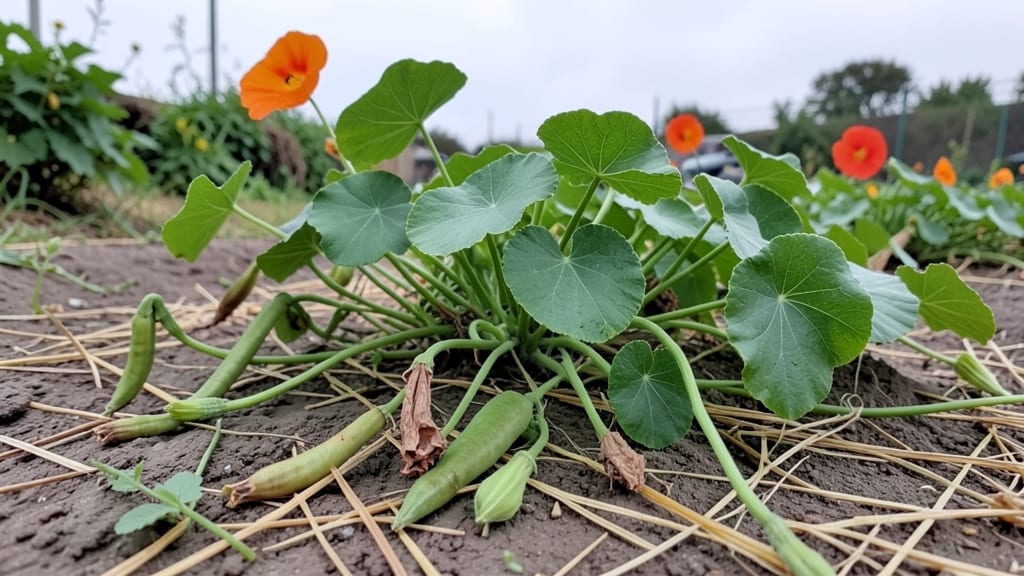
Picking nasturtium seeds at the right time ensures you save healthy, viable seeds for next year’s garden 🌸—and missing that window means watching them shatter into dust before you can collect them.
Nasturtiums aren’t just beautiful flowers—they’re edible powerhouses packed with flavor and nutrients. But knowing when to harvest those seeds can mean the difference between saving them for next year or losing them to pests or overripening.
The best time to pick nasturtium seeds is late summer to early fall, when the seed pods turn brown and begin to crack open naturally. If you wait too long, the seeds scatter, and if you pick too soon, they won’t germinate properly.
Below, I’ll walk you through the exact signs to look for, how to harvest and dry them properly, and the best storage tips to keep your seeds ready for planting in spring.
Optimal time to harvest nasturtium seeds for best viability
Harvesting nasturtium seeds at the right time ensures high germination rates and strong plant health for next year. These vibrant flowers follow a predictable seed maturation process, but timing is everything—pick too early, and seeds won’t sprout; too late, and they scatter or shrivel.
The key is watching for visual and environmental cues that signal peak readiness.
Nasturtiums bloom in late spring to early summer, and seeds typically mature 4-6 weeks after flowering.
During this window, pods transition from green to brown, signaling it’s time to act. Temperature and humidity also play critical roles—ideal conditions are warm days (70-80°F) with low humidity to prevent mold or premature splitting.
| Stage | Visual Cues | Environmental Conditions | Action |
|---|---|---|---|
| Flowering (0-2 weeks) | Bright orange/yellow blooms open fully | Warm, sunny days (60-75°F) | Monitor for pod formation |
| Green Pod Stage (2-4 weeks) | Pods swell, turn green, feel firm | Moderate humidity, no frost | Wait—do not harvest |
| Maturing Pod Stage (4-6 weeks) | Pods brown and papery, crack slightly | Dry, warm weather (70-80°F) | Harvest before pods split |
| Overripe Stage (6+ weeks) | Pods fully split open, seeds scatter | Humid or rainy conditions | Avoid—seeds lose viability |
Understanding these stages helps you avoid common mistakes. Many gardeners rush to harvest when pods turn brown but forget to check for seed firmness. A quick shake test—if pods rattle with mature seeds—confirms readiness. Humidity is the silent saboteur; high moisture can cause seeds to mold or fail to dry properly, so harvest on sunny, dry days whenever possible.
Seasonal timing matters too. In cooler climates (USDA Zones 3-5), aim for late summer (August-September) when nights stay warm. In warmer zones (6-10), you might harvest as early as July. First frost can trigger premature seed drop, so act before temperatures dip below 50°F at night.
Pro tip: Deadhead spent blooms to redirect energy to seed production. Remove faded flowers but leave pods in place until fully mature. This simple step boosts seed yield by 30% by preventing wasted resources. Just be patient—rushing the process leads to low-quality seeds that won’t germinate well.
Environmental factors like air circulation and light exposure also influence seed quality. Nasturtiums grown in partial shade may produce fewer seeds or take longer to mature. Prioritize full sun (6+ hours daily) for optimal results. If your garden is shady, consider container growing near a sunny wall to maximize light.
Another critical factor is pod color consistency. Some varieties (like ‘Alaska’) have white or pale yellow pods when mature, while others (like ‘Jewel Mix’) turn deep brown.
Always check the seed packet or plant tag for variety-specific cues. Misidentifying maturity can lead to poor germination rates or wasted effort.
For container gardeners, timing is even more critical because space is limited. Harvest seeds as soon as pods brown to free up room for new plants. Use small mesh bags to collect seeds directly from containers, reducing the risk of spillage.
This method also helps prevent cross-pollination between varieties, ensuring true-to-type seeds for next year.
Finally, keep an eye on pests like aphids or slugs, which can damage maturing pods. Aphids cluster on new growth, while slugs chew through soft pods. Use neem oil or diatomaceous earth as a preventive measure.
Healthy pods yield viable seeds, so protecting your plants pays off in spades when harvest time arrives.
How to tell when nasturtium seeds are fully ripe (and when to avoid picking)
Knowing the exact moment to harvest nasturtium seeds can be tricky—pick too early, and the seeds won’t germinate. Harvest too late, and they’ll scatter on the ground or attract pests. The key lies in visual cues and understanding the seed pod’s natural lifecycle.
I’ve learned that 4-6 weeks after flowering is typically the sweet spot, but environmental factors like humidity and temperature can shift this window.
Start by examining the seed pods themselves. When fully ripe, they turn a uniform brown color and develop a papery texture. If you gently shake the pod, you’ll hear the seeds rattling inside.
This is your green light to harvest. But if the pods are still green or partially green, they’re not ready yet—waiting a few more days will save you from wasted effort.
When to Pick Nasturtium Seeds
- Pods turn brown and dry
- Seeds rattle inside pods
- Pods crack slightly on their own
- Seeds are dark and firm
- Pods are green or moist
- Seeds are light or shriveled
- Pods feel soft to the touch
- Seeds scatter easily when touched
One common mistake I see gardeners make is waiting too long for the pods to split open completely. By then, the seeds may have already fallen to the ground or been eaten by birds.
Instead, harvest the pods just before they start cracking—this gives you the best chance of collecting viable seeds. Use a pair of clean scissors or pruners to snip the pods off the stem, leaving about 1 inch of stem attached for easier drying.
If your nasturtium pods are dropping seeds prematurely, it’s often due to high humidity or overripe pods. To test seed readiness, open a pod and check the seeds inside. Fully ripe seeds will be dark, firm, and plump, while underripe seeds will look pale and shriveled.
If you’re unsure, let the pods dry on the plant a few more days—they’ll give you clear signals when they’re ready.
Another trick I’ve learned is to cover the pods with a breathable mesh bag if birds or squirrels are a problem. This keeps the seeds contained while still allowing the pods to dry naturally.
Once harvested, lay the pods on a paper towel or mesh screen in a warm, dry place for 1-2 weeks to fully dry. Avoid using a sealed container during this stage, as trapped moisture can cause mold.
Remember, seasonal timing matters. In most climates, nasturtium seeds ripen between late summer and early fall. If you’re in a cooler region, you might need to harvest pods indoors under a grow light to complete the drying process.
By paying attention to these cues, you’ll maximize your seed yield and ensure a successful harvest for next year’s garden.