Plants
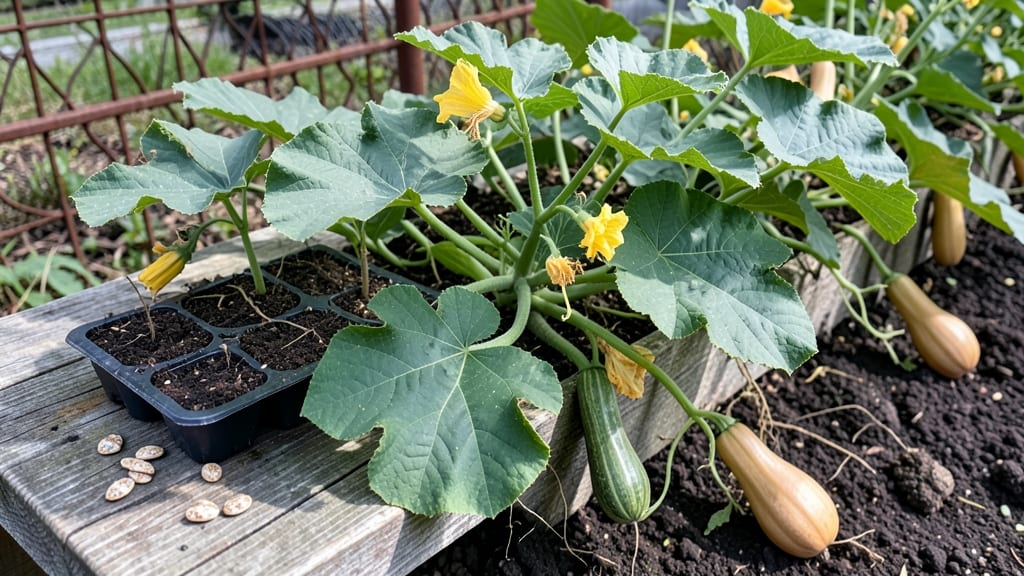
Plant butternut squash seeds in the UK after the last frost, around late April to early June 🎃 — timing this right means the difference between a thriving harvest and wasted effort.
Butternut squash thrives in the UK’s mild climate, but planting too early risks frost damage, while waiting too long shortens the growing season. I’ve learned the hard way that a two-week window can make or break your crop.
Whether you’re starting seeds indoors or sowing directly, soil temperature and regional frost dates are the key factors. Below, I break down the exact timing for your UK region, plus tips to adjust for unpredictable weather.
You’ll discover how to read the signs of frost risk, when to harden off seedlings, and the one trick that extends your growing season by up to four weeks.
UK butternut squash planting calendar: best months by region
Getting your butternut squash planting timing right in the UK depends on your region’s frost risk and soil temperature. The South enjoys earlier starts, while the North needs later dates to avoid late frosts.
I’ll break down the best windows for indoor starts and direct sowing so you can maximize your harvest.
Butternut squash seeds need soil temperatures above 15°C (60°F) to germinate reliably. In the UK, this typically aligns with late April to early June, but regional variations mean you should adjust.
The Midlands offers a middle ground, while coastal areas may have slightly extended seasons. Let’s dive into the specifics.
🌱
| Region | Indoor Start (Weeks Before Outdoors) | Direct Sowing Window | Soil Temp Threshold | Frost Risk |
|---|---|---|---|---|
| South (e.g., London, Sussex) | 4-6 weeks before mid-April | Mid-April to late May | 15°C (60°F) | Low (last frost: early April) |
| Midlands (e.g., Birmingham, Nottingham) | 4-6 weeks before late April | Late April to early June | 15°C (60°F) | Moderate (last frost: mid-April) |
| North (e.g., Manchester, Edinburgh) | 6-8 weeks before early May | Early May to mid-June | 15°C (60°F) | High (last frost: late April) |
For indoor starts, I recommend beginning seeds in modules or trays 4-8 weeks before your region’s last frost date. This gives seedlings a head start and helps them outpace cooler springs.
Use a heat mat if your home is chilly, as butternut squash seeds germinate best at 21-24°C (70-75°F).
If you’re direct sowing, wait until the soil is consistently warm—probe the ground with your finger. If it’s too cold, seeds may rot.
In the South, you can start as early as mid-April, while the North should hold off until early May to avoid late frosts damaging tender seedlings.
🌿
Transplanting seedlings outdoors too early is a common mistake. Aim for when they’re 3-4 weeks old and have 2-3 true leaves. Harden them off by placing them outside for 2-3 hours daily for a week before transplanting.
This toughens their stems and reduces shock. In the Midlands, transplant around late May, while the North may need to wait until early June.
Butternut squash loves warmth and space, so choose a sunny spot with well-draining soil. Amend heavy clay with compost or sand to improve drainage, as soggy roots lead to rot and poor growth.
In cooler regions, consider using black plastic mulch to warm the soil faster and extend the season.
🪴
Staggered planting is another trick I use to extend harvests. Sow a second batch of seeds 2-3 weeks after the first. This ensures a continuous supply of squash from late summer to autumn.
For example, in the South, you could plant one batch in mid-April and another in early May, while the North might manage early May and late May plantings.
Finally, keep an eye on weather forecasts in May and June. A sudden cold snap can delay planting or stunt young plants. If frost threatens, cover seedlings with fleece or cloches until temperatures rise.
With the right timing, your butternut squash will thrive and reward you with sweet, nutty harvests all season.
How to adjust planting time for UK weather variations
The UK’s unpredictable weather can turn a butternut squash planting plan upside down overnight. One late frost in May or a heatwave in June can delay growth or scorch young plants. The key is flexibility—adjusting your planting schedule based on real-time conditions rather than rigid calendars.
For example, northern UK gardens often face cooler soils longer than the south, meaning seeds may need to wait until mid-May for safe germination. Meanwhile, southern regions might see earlier planting in late April, but with frost protection ready.
Understanding these regional nuances is your first line of defense against wasted seeds.
⚠️ Watch for These Premature Frost Warning Signs
Frost risk spikes when nighttime temperatures drop below 4°C (39°F), especially in May or September. Here’s how to spot danger:
- White frost forming on grass or plants by dawn
- Dew that freezes into ice crystals
- Ground frost (visible on soil surfaces)
- Fog lingering after sunset (high frost probability)
Action: Cover seedlings with fleece or move pots indoors overnight if frost is forecast. Even butternut squash seedlings can survive light frost, but prolonged cold stunts growth.
If you’re starting seeds indoors, begin them 6–8 weeks before your area’s last frost date. Use grow lights to supplement UK’s shorter spring days, and harden off seedlings for 10–14 days before transplanting. This gradual transition mimics outdoor conditions and reduces shock from temperature swings.
For direct sowing, use staggered planting—sow half your seeds in late April and the rest in early June. This extends your harvest window and ensures at least one batch matures before first frost.
Pair this with black plastic mulch to warm the soil faster and suppress weeds.
Cold frames or cloches are game-changers for early planting. Place them over seedlings to trap heat, raising soil temperatures by 5–10°C. Remove them during the day to prevent overheating, but leave them in place on cold nights. This lets you plant 2–3 weeks earlier than usual without risking frost damage.
Finally, monitor soil temperature with a thermometer—butternut squash seeds need 15°C (60°F) to germinate. If your soil is cooler, wait or use heat mats under seed trays. Patience here prevents rotten seeds or slow, weak starts that struggle to catch up in the UK’s short growing season.