
Flowers
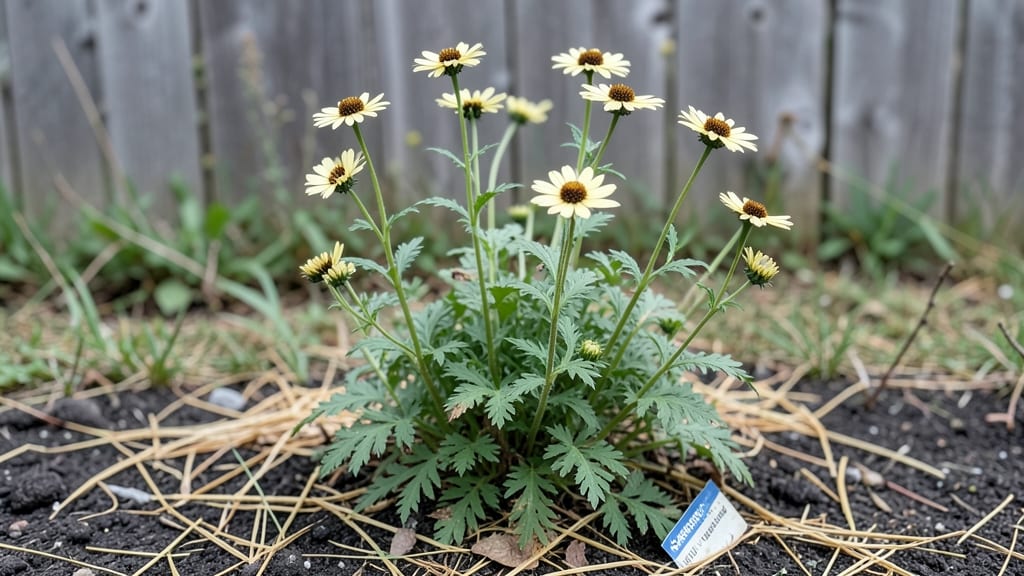
Growing whorled tickseed seeds from scratch gives you bold purple blooms that pollinators can’t resist—this is the plant that turns summer borders into a buzzing, vibrant show. 🌻 The secret lies in its adaptability: it thrives in poor soil, handles drought once established, and multiplies effortlessly.
I’ve grown it in everything from full sun to partial shade, and the key to success starts with the right timing and a few simple tricks that prevent common pitfalls.
You’ll need well-draining soil, a sunny spot (at least 6 hours of light), and patience—these seeds germinate slowly but reliably when kept consistently moist.
Start indoors 6-8 weeks before your last frost, or direct-sow after soil warms to 60°F. The real magic happens when you space them 12-18 inches apart, giving them room to develop their signature upright stems and flat-topped clusters.
Too crowded, and you’ll end up with leggy plants fighting for light.
Once established, whorled tickseed is nearly foolproof: water deeply once a week, deadhead spent blooms to encourage more flowers, and watch as butterflies and bees flock to your garden.
The foliage stays green even in heatwaves, and the plants self-seed generously, meaning fewer purchases next year. By midsummer, you’ll have a neighborhood-stealing display that outperforms many fussy perennials.
Fair warning: these seeds take their time—2-3 weeks to germinate—but the wait pays off. The biggest mistake is overwatering seedlings, which causes rot. If you’re in a humid climate, use a fan to improve airflow.
For dry areas, mulch heavily to retain moisture. Whether you’re filling a border, adding height to a pollinator patch, or just craving easy color, this is the plant that delivers every year.
📚 In This Guide
- What you need
- Instructions
- Tips and common mistakes
- Wrapping up and next steps
What you need
- ● Whorled tickseed seeds – 1 packet (50-100 seeds) (choose a reputable seed brand for best results).
- ● Well-draining potting mix – 2-3 gallons (or enough to fill seed trays/seedling pots).
- ● Seed trays or biodegradable pots – 6-12 small pots (2-3 inches deep) or a 10x20-inch seed tray.
- ○ Grow lights or sunny windowsill – 6-8 hours of light daily (optional but helpful for early growth).
- ● Watering can or spray bottle – with a fine mist setting (to avoid disturbing seeds).
- ● Garden gloves – 1 pair (to keep hands clean and protect seeds from oils).
- ● Plant labels – 6-12 labels (to track seedling progress).
- ● Fertilizer (balanced, 10-10-10) – small amount (for transplanting, if desired).
- ● Outdoor garden space – full sun to partial shade (6+ hours of sunlight) (for mature plants).
- ○ Mulch (optional) – 1-2 inches (to retain moisture and suppress weeds).
How to grow whorled tickseed for stunning pollinator gardens
This hardy perennial thrives with minimal fuss—just follow these steps for vibrant purple blooms that attract butterflies all season.
🌱 Step 1: Start Seeds Indoors or Direct-Sow in Spring
Whorled tickseed (Coreopsis verticillata) germinates best in 60-70°F soil, so start seeds indoors 8-10 weeks before your last frost date or direct-sow in early spring. Fill seed trays with the sterile seed-starting mix to ¼ inch below the rim and gently press down to remove air pockets.
Scatter seeds ¼ inch deep—they’re tiny, so I use a toothpick to space them ½ inch apart in rows. Cover lightly with additional mix, mist until evenly moist, and place trays in a warm, bright spot. Keep soil consistently damp (not soggy) until germination, which typically occurs in 14-21 days. Real talk: Don’t overwater now—damping-off will wipe out seedlings overnight.
☀️ Step 2: Transplant Seedlings to Full Sun
Once seedlings develop 2-3 true leaves (not just the initial cotyledons), harden them off by moving trays outdoors for 2-3 hours daily over 5-7 days. This gradual transition prevents transplant shock. Choose a sunny location with 6+ hours of direct sun daily—whorled tickseed thrives in full sun but tolerates light shade in hotter climates.
Dig holes twice as wide as the root ball and same depth as the container. Space plants 12-18 inches apart to allow airflow and prevent powdery mildew. Water deeply at planting to settle soil around roots, then let the top 1 inch of soil dry between waterings. I promise, you’ll see first blooms by mid-summer if you give them consistent moisture.
💧 Step 3: Maintain Moisture and Fertility
Whorled tickseed is drought-tolerant once established, but young plants need 1 inch of water weekly during dry spells. Water at the base to avoid wetting foliage, which reduces fungal risks. Feed lightly with balanced 10-10-10 fertilizer in early spring and again after the first flush of blooms. Too much nitrogen promotes leafy growth at the expense of flowers—skip fertilizer after mid-summer.
Deadhead spent blooms to encourage continuous flowering, but leave some seed heads for pollinators. I let a few stems go to seed each year to naturalize the garden. Mulch with 2-3 inches of shredded bark in winter to protect roots from freeze-thaw cycles. This perennial spreads slowly, so you won’t need to divide it for years.
✂️ Step 4: Prune and Prepare for Winter
Cut back faded stems to 6 inches tall in late fall or early spring to promote fresh, vigorous growth. Whorled tickseed reblooms reliably, so a clean prune removes last year’s debris and prevents disease. Avoid heavy pruning in summer—you’ll sacrifice those beloved purple daisy-like flowers that butterflies adore.
This plant handles cold beautifully, surviving down to Zone 3. In colder regions, add a 3-inch layer of mulch around the base after the first hard frost. By spring, you’ll see new growth emerging from the crown—proof that this pollinator magnet is ready to shine again.
Tips & tricks for perfect whorled tickseed growth
These hard-earned insights will help you cultivate thriving whorled tickseed plants that burst with color and attract pollinators all season.
Soil Temperature Secret: Maintaining that 60-70°F soil temperature range during germination is non-negotiable. I use a seedling heat mat set to 70°F for the first 2-3 hours daily to jumpstart germination, especially in cooler climates. This consistent warmth mimics spring conditions and prevents the 14-21 day germination window from stretching unpredictably.
Transplanting Technique: When hardening off seedlings in Step 2, I gradually increase outdoor exposure by 1 hour each day over the 5-7 day period. On cloudy days, extend the time by 1-2 hours to prevent stress. The key is watching for wilting—if leaves droop after returning indoors, they're not ready for that duration yet. Proper hardening prevents transplant shock that can set plants back by weeks.
Watering Wisdom: The 1 inch of water weekly guideline applies to established plants, but young seedlings need daily misting to keep soil consistently damp. I use a spray bottle with fine mist setting to avoid disturbing the delicate seedlings. After transplanting, let the top 1 inch of soil dry between waterings to prevent root rot while maintaining moisture for those critical first blooms.
Pruning Precision: When cutting back faded stems to 6 inches tall in Step 4, I use sharp pruners and make clean cuts just above a leaf node. This encourages bushier growth and prevents disease entry points. Avoid heavy pruning in summer—those purple blooms are the star attraction for pollinators, and removing too much foliage reduces their food source. I typically wait until after the first frost before doing my major prune.
Pro Tips for Whorled Tickseed Seeds
- These hard-earned insights will help you cultivate thriving whorled tickseed plants that burst with color and attract pollinators all season.
- Soil Temperature Secret: Maintaining that 60-70°F soil temperature range during germination is non-negotiable.
- Transplanting Technique: When hardening off seedlings in Step 2, I gradually increase outdoor exposure by 1 hour each day over the 5-7 day period.
Frequently asked questions
Got questions about growing whorled tickseed (Coreopsis verticillata) seeds?
You’re not alone! Here are answers to the most common queries from gardeners eager to add bold purple blooms to their pollinator-friendly spaces.
How long does it take for whorled tickseed seeds to germinate?
Germination typically takes 10–21 days when planted in well-draining soil and kept consistently moist (but not soggy). For faster results, pre-soak seeds for 24 hours or use a heat mat (70–75°F). Patience pays off—thin seedlings to 12–18 inches apart once they’re 3–4 inches tall!
Are whorled tickseed seeds deer-resistant?
While not fully deer-proof, whorled tickseed is less appealing to deer than many other perennials. To deter nibbling, plant in groups (deer avoid dense patches) or pair with deer-resistant neighbors like salvia or coneflowers. A light fence or repellent spray can add extra protection.
When is the best time to sow whorled tickseed seeds outdoors?
Direct-sow seeds in early spring (after the last frost) or late summer (6–8 weeks before your first frost). Avoid planting in mid-summer heat, as seeds may dry out before germinating. For cooler climates, start indoors 4–6 weeks before the last frost for a head start.
Can I grow whorled tickseed from store-bought seeds or do I need heirloom varieties?
Store-bought seeds work just fine! Look for ‘Moonbeam’ or ‘Zagreb’ varieties for reliable germination. Heirloom seeds aren’t necessary unless you’re seeking specific traits (e.g., drought tolerance). Just ensure seeds are fresh (within 1–2 years) for the best success rate.
Why aren’t my whorled tickseed seeds sprouting? Troubleshooting tips.
Check these common issues:
Too dry? Keep soil consistently moist (not waterlogged). Use a spray bottle for delicate seeds.
Too cold? Seeds need 60°F+ soil temps to germinate. Use a seedling heat mat if needed.
Old seeds? Test viability by soaking in water—sinkers are good, floaters are likely dead.
Poor soil? Mix seeds into light, sandy loam with compost for better drainage.
If all else fails, try stratification (chill seeds for 2–4 weeks) to mimic winter conditions.
Wrapping up and next steps
Whorled tickseed seeds bring vibrant purple drama to pollinator gardens while supporting bees, butterflies, and birds—all with minimal effort! Their drought tolerance and long bloom season make them a standout for low-maintenance beauty. 🌿
Ready to transform your garden? Start small with a few seeds or a starter plant, and watch your space thrive with color and life. Share your progress or ask questions—we’re here to help you grow!