
Lawn
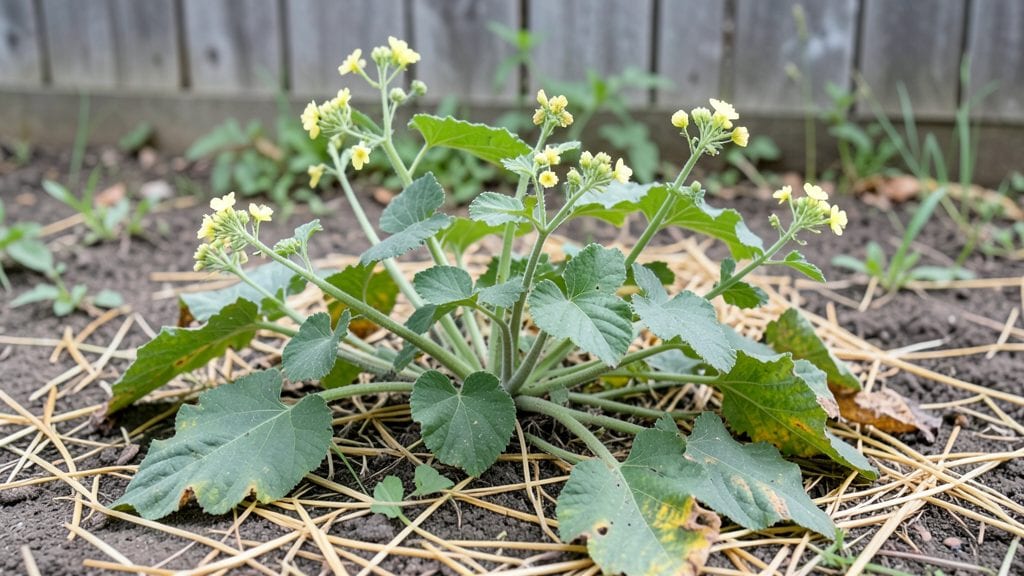
Wild mustard seed grows into tough, fast-spreading greens that thrive without the fuss of cold stratification—perfect for filling gaps in your garden or adding bold texture to lawn borders. 🌱 I planted mine last spring after reading how it self-seeds aggressively, and within 60 days, I had lush, peppery leaves ready for salads or mulch.
The secret? It doesn’t need pre-soaking or chilling—just direct sowing in warm soil.
You’ll need sunny spots (at least 6 hours of light daily), loose soil, and minimal watering—this plant handles drought like a champ. Scatter seeds ¼-inch deep, spacing them 6–12 inches apart if you want controlled growth, or let them sprawl for a wildflower-meets-veggie look.
Germination happens in 5–10 days, and the first true leaves appear within weeks.
Once established, wild mustard greens pop up year after year, crowding out weeds naturally. Their peppery flavor works in salads, and the flowers attract pollinators—though they can spread fast, so deadhead if you don’t want it taking over.
The best part? No special care needed beyond occasional weeding and watering during dry spells.
Whether you’re growing it for edible greens, ornamental borders, or weed suppression, this plant delivers. Start small to test your space, then scale up—just be ready for its bold, self-sufficient nature. Ready to try it?
📚 In This Guide
- What you need
- Instructions
- Tips and common mistakes
- Wrapping up and next steps
What you need
- ● Wild mustard seeds: 1–2 oz (about 30–60g) for a small garden plot or 4–6 oz (113–170g) for larger areas. Choose Brassica juncea or Sinapis arvensis varieties for best results.
- ● Well-draining soil: 1–2 cubic yards (or enough to fill your planting area to 6–8 inches deep). A mix of 60% topsoil, 30% compost, and 10% sand works perfectly.
- ● Watering can or hose: With a fine-mist nozzle for gentle hydration.
- ● Garden trowel or hand fork: For sowing seeds ¼–½ inch deep.
- ● Rake or hoe: To loosen soil and create a fine seedbed.
- ○ Optional: Row marker or sticks: To space seeds 6–12 inches apart (if not broadcasting).
- ○ Mulch (straw or grass clippings): 1–2 inches thick to retain moisture (optional but helpful in dry climates).
- ● Sunlight: Full sun (6+ hours daily) or partial shade (4+ hours).
- ● Temperature: Ideal germination at 55–75°F (13–24°C). No cold stratification needed—just plant when soil is workable!
- ● pH Level: Slightly acidic to neutral (6.0–7.0). Test soil if unsure.
Step-by-Step instructions for growing wild mustard from seed
Here's how to grow fast, hardy greens without fuss—no cold treatment needed.
🌱 Step 1: Prepare Your Growing Space and Soil
Wild mustard thrives in poor soil, but it grows best when you start with a clean, loose bed. Work the top 6 inches of soil to loosen compaction, then rake smooth. This plant tolerates a range of conditions, but it rewards you most when given full sun to partial shade—at least 4-6 hours of sunlight daily.
I like to add a thin layer of compost if my soil is particularly dense. Wild mustard self-seeds aggressively, so if you're planting in a garden bed, consider a 4-inch deep barrier of cardboard to contain future volunteers. The key here is to avoid over-preparing—wild mustard isn't picky, but it grows faster when the soil isn't rock-hard.
🌱 Step 2: Sow Seeds Directly or Start Indoors
For a quick harvest, sow seeds directly in the garden after your last frost date. Scatter them ¼ inch deep and ½ inch apart—they germinate best in warm soil, so wait until the ground reaches at least 50°F. A light covering of soil or even just pressing them into the surface works; they don’t need deep planting.
If you prefer starting indoors, plant seeds in small pots with seed-starting mix and keep them in a warm spot (65-75°F). You’ll see sprouts in 5-10 days, but don’t rush to transplant—wait until seedlings have 2-3 true leaves and soil is warm. Wild mustard handles transplanting well, but it’s even easier to direct-sow.
💧 Step 3: Water and Maintain Moisture
Keep the soil consistently moist but not soggy—wild mustard detests waterlogged roots. Water deeply 1-2 times per week, adjusting for rainfall. You’ll know it’s time when the top ½ inch of soil feels dry to the touch. Once established, it’s surprisingly drought-tolerant, but young plants need steady moisture to avoid bitterness.
Here’s the trick: water at the base, not overhead. Wild mustard grows fast, and wet foliage invites fungal issues. If you notice yellowing leaves, it’s often a sign of overwatering or poor drainage. The plant’s natural resilience means it recovers quickly, but consistent moisture prevents stress.
✂️ Step 4: Harvest and Encourage Regrowth
Harvest young leaves when they’re 3-4 inches tall for the mildest flavor. Cut just above the soil line to encourage bushier regrowth. You’ll get 3-4 harvests per season if you keep the soil moist and fertilize lightly with compost tea every 4-6 weeks. Wild mustard bolts quickly in heat, so prioritize early harvests.
If you let it go to seed, it will self-sow prolifically—sometimes too prolifically. This is where that cardboard barrier comes in handy. The plant’s rapid growth and ability to thrive in poor soil make it a great candidate for succession planting. Sow new seeds every 2-3 weeks for a continuous supply of greens.
🌿 Step 5: Manage Bolting and Pests
Wild mustard bolts (sends up a flower stalk) when days get long or temperatures rise. To delay bolting, harvest frequently and keep the soil cool with a light mulch of straw. If you’re growing for seeds, let some plants bolt—just remove the flowers if you want to extend the greens phase.
Pests aren’t usually a problem, but aphids may appear on tender new growth. Blast them off with a strong spray of water or introduce ladybugs for natural control. The plant’s peppery flavor deters most garden pests, but slugs can be an issue in damp conditions. Handpick them at night when they’re most active.
Tips & tricks for growing wild mustard from seed
These insights will help you cultivate bold, fast-growing wild mustard greens with minimal effort—no cold stratification required.
Soil Preparation Insight: The 6 inches of loosened soil in Step 1 is crucial for root development, but don't overwork it. Wild mustard thrives in disturbed soil, so focus on breaking up compaction rather than creating a fine tilth. If your soil is particularly dense, mix in a thin layer of compost (about 1 inch) to improve structure without altering the plant's natural hardiness. The 4-inch cardboard barrier is your secret weapon against self-seeding chaos—place it 2 inches deep to prevent roots from penetrating while still allowing water through.
Timing Secret: In Step 2, the 50°F soil temperature threshold is non-negotiable for germination. Use a soil thermometer to verify—cold soil delays sprouting and can lead to uneven growth. For indoor starts, maintain that 65-75°F range consistently; a heat mat can help if your home runs cooler. The 5-10 day germination window is flexible—if you don't see sprouts by day 10, gently water again and check for moisture retention.
Watering Wisdom: The 1-2 times per week guideline in Step 3 assumes average rainfall. In hotter climates, you may need daily watering until plants establish, while cooler regions might extend to weekly. Always check that top ½ inch of soil—wild mustard's drought tolerance kicks in after the first 3-4 weeks, but young plants need consistent moisture. For container growing, use pots with drainage holes and water when the top inch feels dry to avoid root rot.
Harvest Strategy: When harvesting at 3-4 inches in Step 4, aim for the outer leaves first—this encourages new growth from the center. The 3-4 harvests per season estimate assumes regular cutting; if you let plants grow taller, you'll sacrifice quantity for larger leaves. For continuous harvests, succession plant every 2-3 weeks after your first sowing, staggering by 10-14 days for a rolling crop. The 4-6 week compost tea interval prevents nutrient depletion without over-fertilizing.
Pro Tips for Wild Mustard Seed
- These insights will help you cultivate bold, fast-growing wild mustard greens with minimal effort—no cold stratification required.
- Soil Preparation Insight: The 6 inches of loosened soil in Step 1 is crucial for root development, but don't overwork it.
- Timing Secret: In Step 2, the 50°F soil temperature threshold is non-negotiable for germination.
Frequently asked questions
Got questions about growing wild mustard seed? You’re not alone—this hardy green can be tricky for new gardeners! Here are answers to the most common queries to help you grow bold, fast greens with confidence.
How long does it take for wild mustard seed to germinate?
Wild mustard seeds typically sprout in 5–10 days after planting, especially in warm soil (60°F+). For faster results, keep seeds moist and in full sun. If germination takes longer than 2 weeks, check for dry soil or poor seed viability—try replanting!
Can I grow wild mustard seed in containers or just in the ground?
Wild mustard thrives in containers, raised beds, or directly in the ground. Use pots at least 6–8 inches deep with drainage holes. Just ensure it gets 6+ hours of sunlight daily—it’s a sun-loving plant. Containers are great for small spaces or urban gardens!
What’s the best temperature range for growing wild mustard?
Wild mustard loves warm weather—ideal temps are 65–85°F. It tolerates light frosts but won’t survive hard freezes. For early spring/fall planting, wait until soil temps hit 50°F+ to avoid slow growth. Mulch helps retain warmth in cooler climates.
Are there any pests or diseases I should watch for?
Wild mustard is generally pest-resistant, but watch for aphids, flea beetles, or cabbage worms (yes, it’s related to brassicas!). Use neem oil or row covers if needed. Overwatering can lead to downy mildew, so ensure good airflow. Rotate crops yearly to prevent soil-borne issues.
What can I plant after wild mustard in the same spot?
Wild mustard is a light feeder, so follow it with heavy feeders like tomatoes, peppers, or corn. Avoid planting more brassicas (e.g., kale, broccoli) in the same spot to prevent disease buildup. Legumes (beans, peas) or alliums (onions, garlic) are great successors!
Wrapping up and next steps
Growing wild mustard seed is a rewarding journey that brings bold, peppery greens to your table in just 60 days—no cold stratification needed! 🌱 Whether you're a seasoned gardener or a curious beginner, this hardy plant thrives with minimal effort, offering nutrient-packed leaves and vibrant blooms.
With the right soil, sunlight, and care, you’ll enjoy a bountiful harvest that’s perfect for salads, stir-fries, or garnishes.
Ready to transform your garden? Start by gathering your seeds and supplies, then follow the simple steps to sow, nurture, and harvest. Your first crop could be just weeks away! 🌿 Plant today and savor the fresh, zesty flavor of homegrown wild mustard—nature’s spicy superfood.