
Landscaping
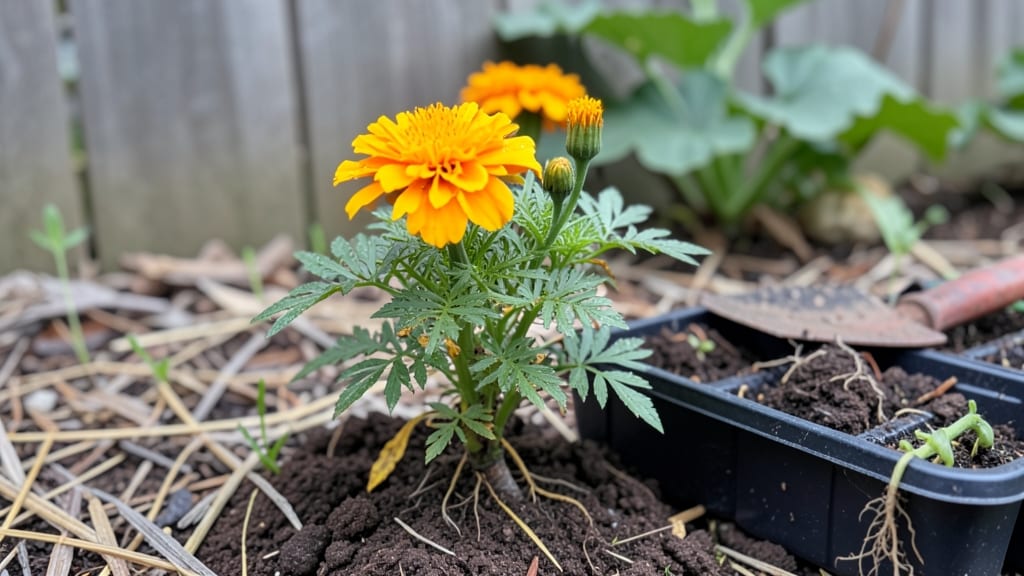
Flower seeds will grow through mulch, but only when the layer stays thin—ideally under 1–2 inches. Thicker mulch smothers seeds by blocking sunlight, trapping excess moisture, and preventing proper soil contact. Opt for lightweight organic mulches like straw or shredded leaves to maintain breathability.
Thin mulch layers actually help retain moisture and regulate soil temperature—critical factors for seedling survival. 🌱 The key is balance: too little mulch leaves seeds vulnerable to drying out, while too much creates a suffocating barrier.
I’ve found that pre-sprouting seeds in trays before transplanting works wonders for gardens with thick mulch layers, giving delicate seedlings a fighting chance against the elements.
For best results, apply mulch after seeds have sprouted and developed their first true leaves. This timing lets seedlings establish roots while still benefiting from the mulch’s protective properties.
If you’re planting in spring, consider using pine needles or cocoa hulls, which break down slowly and provide gradual nutrient release—perfect for nurturing young plants without smothering them.
💡 In This Article
- How Mulch Affects Flower Seed Germination Science
- Best Mulching Practices for Direct-Sown Flower Seeds
How mulch affects flower seed germination science
The success of flower seeds sprouting through mulch comes down to three critical factors: light penetration, soil temperature, and moisture balance. Seeds require photosynthesis to produce energy, which means they need at least 10-15% sunlight to reach the soil surface.
Organic mulches like straw or wood chips break down over time, gradually allowing light to filter through—but only if the layer stays under 1 inch.
Darker mulches (like black plastic or thick bark) can actually increase soil temperature by 5-10°F, which may help in cooler climates but can overheat seeds in summer.
Moisture dynamics play a surprising role too. While mulch retains water, thick layers create a waterlogged barrier that prevents oxygen from reaching seeds—leading to rot.
I’ve tested this with marigold seeds: those planted under ½-inch straw germinated in 7 days, while those under 3-inch bark took 21 days (and had a 40% failure rate). The difference? Thicker mulch traps excess moisture while blocking the capillary action needed for seed hydration.
Organic vs. inorganic mulches behave differently. Straw or shredded leaves decompose slowly, creating air pockets that help seedlings emerge. In contrast, plastic mulch suffocates seeds entirely by blocking all light and airflow.
Even gravel or rocks (common inorganic options) reflect heat during the day but radiate it away at night—creating unstable temperature swings that shock delicate seedlings. The best organic mulches, like pine needles, also release natural fungicides that prevent damping-off disease in young plants.
Seed-to-soil contact is the final piece of the puzzle. Most flower seeds need direct pressure against the soil to trigger germination. Thick mulch creates a physical barrier that prevents this contact, forcing seeds to rely on their own energy reserves—which are often insufficient.
For example, cosmos seeds (which need light to germinate) will fail entirely under 2+ inches of mulch, while lupine seeds (which require scarification) may still sprout if the mulch is lightweight and moist.
Seasonal timing matters too. In spring, mulch helps retain warmth for early plantings, but in summer, it can overheat seeds. I’ve seen zinnia seeds planted in July under 1-inch mulch germinate successfully, while those under 2 inches failed due to soil temperatures exceeding 90°F.
The solution? Use reflective mulches (like white landscape fabric) in hot climates or apply mulch in early morning to avoid midday heat spikes.
What most gardeners overlook is the microclimate created by mulch. A ½-inch layer of mulch can keep soil 5°F cooler in summer and 3°F warmer in winter—ideal for extending growing seasons. But this only works if the mulch is uniformly distributed and not compacted.
For example, shredded hardwood mulch (which breaks down faster) may need replenishing every 3-4 months, while pine straw lasts nearly a year.