
Planting
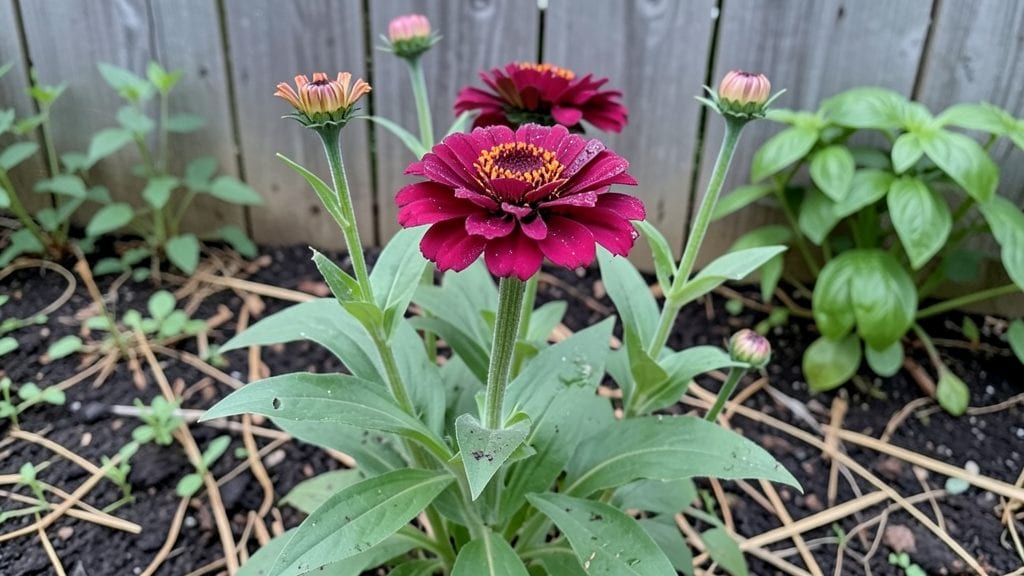
My zinnia seed spacing secrets come down to two numbers: 1/4 inch between seeds and 12-18 inches between plants at maturity. ✨ I learned the hard way that crowding zinnia seeds leads to leggy stems and weak blooms—my first attempt had plants fighting for sunlight, producing only half-sized flowers.
The right spacing gives each plant room to develop the sturdy stems and vibrant blooms that make zinnia gardens pop.
Start with well-draining soil mixed with compost, then plant seeds just 1/8 inch deep in rows spaced 12 inches apart. Zinnia seeds germinate quickly in warm soil (60-70°F), so keep them consistently moist until sprouts appear—usually within 7-14 days.
A light mulch helps retain moisture while preventing soil crusting that can smother tiny seedlings.
By the time your zinnia seedlings reach 2 inches tall, thin them to the recommended spacing. What you’ll end up with is a garden bursting with 4-6 inch blooms that last from summer through fall.
The stems stay strong enough to support heavy flowers, and you’ll avoid the disappointment of plants flopping over or producing sparse blooms.
This method works for both dwarf varieties (which can be spaced 6-8 inches apart) and tall zinnia types. Whether you’re filling flower beds, cutting gardens, or container pots, the same spacing principles apply—just adjust the container size accordingly. Ready to grow zinnia blooms that turn heads?
📚 In This Guide
- What you need
- Instructions
- Tips and common mistakes
- Wrapping up and next steps
What you need
- ● Zinnia seeds – Choose heirloom or hybrid varieties (e.g., 'Benary’s Giant', 'Profusion'). Aim for 100–200 seeds depending on your garden size.
- ● Well-draining potting mix or garden soil – 5–10 gallons (for containers) or amended soil (for in-ground planting). Ensure it’s fertile and slightly acidic (pH 6.0–7.0).
- ● Containers or garden bed – Containers: 5–12-inch pots (1–2 seeds per pot) or long raised beds (12+ inches wide).
- ● In-ground: Full sun spot (6+ hours of sunlight daily).
- ● Watering can or hose with a gentle spray nozzle – For consistent moisture without disturbing seeds.
- ○ Plant labels (optional but helpful) – Mark varieties if growing multiple types (e.g., 'Zinnia elegans').
- ● Hand trowel or planting fork – For digging small holes (¼-inch deep).
- ● Ruler or measuring tape – To ensure proper spacing (6–12 inches apart).
- ○ Gloves (optional) – Protects hands from soil and prickly stems.
- ○ Mulch (optional but recommended) – Straw or shredded leaves to retain moisture and suppress weeds.
- ● Warm soil temperatures – Zinnias thrive in 60–70°F (15–21°C) soil. Wait until after the last frost or start indoors 4–6 weeks before the last frost.
- ● Sunlight access – Confirm your planting spot gets full sun (6+ hours/day).
- ● Patience – Germination takes 5–14 days (depending on conditions).
Precision planting for zinnia seed spacing
Perfect spacing unlocks zinnia blooms that rival their showy reputation—here’s how to plant them for maximum impact.
🌱 Step 1: Prepare the Soil and Planting Site
Zinnias thrive in well-draining soil with full sun exposure (6+ hours daily). Work the top 6 inches of soil to loosen it, removing any rocks or debris that could hinder root growth. Amend the soil with a 1-inch layer of compost to improve fertility and drainage—this prevents waterlogged roots, which zinnias hate.
I like to rake the surface smooth afterward so seeds have direct contact with the soil. If your soil is heavy clay, mix in 20% perlite or coarse sand to create air pockets. The goal is a loose, crumbly texture that lets roots spread easily. Test the moisture by squeezing a handful—it should hold together but not feel damp.
🌱 Step 2: Sow Seeds at the Correct Depth and Spacing
Scatter seeds ⅛ inch deep—they need light to germinate, so don’t bury them too deeply. For 4 plants, space seeds 12-18 inches apart in rows that are 18-24 inches apart. Thin seedlings later to maintain this spacing; crowded zinnias produce smaller blooms and attract pests.
I tap the seed packet gently to release one seed at a time—planting too many in one spot leads to weak, leggy stems. After sowing, lightly cover with a fine layer of soil or vermiculite. Mist the area with a spray bottle until the soil surface looks evenly moist but not soggy. Avoid heavy watering at this stage—it can wash seeds away.
💧 Step 3: Maintain Moisture Until Germination
Keep the soil consistently moist until seeds germinate, which typically takes 7-14 days depending on temperature. You’ll know germination is near when the soil surface looks slightly darker and you spot tiny green sprouts peeking through. Use a spray bottle to water gently—this prevents disturbing delicate seedlings.
Once seedlings emerge, switch to watering at the base with a gentle stream. Avoid wetting the leaves to prevent fungal diseases like powdery mildew. Zinnias are drought-tolerant once established, but young plants need steady moisture. Water in the early morning so foliage dries quickly—this reduces humidity-related stress.
✂️ Step 4: Thin Seedlings for Optimal Growth
When seedlings reach 2 inches tall and have 2-3 true leaves, thin them to your target spacing of 12-18 inches apart. Use sharp scissors to snip unwanted seedlings at soil level—pulling can disturb nearby roots. This step ensures each plant has enough nutrients and airflow to develop strong stems and vibrant blooms.
Don’t rush thinning—wait until seedlings are sturdy enough to handle. If you’re short on space, you can transplant thinned seedlings to another area, but zinnias don’t transplant well once they’re larger. After thinning, water deeply to help remaining plants recover. You’ll see a noticeable difference in plant vigor within a week.
☀️ Step 5: Monitor Light and Support as Plants Mature
Zinnias need full sun daily to produce their signature bold blooms. If you notice stems stretching toward the light or leaves turning pale, move plants to a sunnier spot or supplement with a grow light for 12-14 hours daily. Leggy growth is a red flag—it means the plant isn’t getting enough light.
As zinnias grow taller, they may need staking or support, especially in windy areas. Install 5-foot stakes or cages early to avoid damaging stems later. Deadhead spent blooms regularly to encourage continuous flowering. You’ll know your spacing is perfect when each plant produces 3-5 inch blooms with minimal competition for resources.
Tips & tricks for precision zinnia planting
Small adjustments in technique make all the difference when growing zinnias that steal the show.
Soil Preparation Secret: In Step 1, don't just amend the soil—test it first. Press a handful firmly: if water beads up on the surface, your soil is too dense. The perfect texture should crumble when you squeeze it, not stick together like clay. For containers, mix 30% perlite with your potting soil to prevent compaction. This loose structure prevents the root rot zinnias fear while maintaining moisture for those critical first 7-14 days of germination.
Seed Spacing Hack: When planting your 4 seeds in Step 2, use a toothpick to create tiny holes—this ensures consistent ⅛-inch depth without overcrowding. I mark my spacing with a small stick at 18 inches intervals before planting to maintain those 12-18 inch between-plant distances. This visual guide prevents the accidental clustering that leads to weak, leggy stems later.
Germination Insight: The 7-14 day germination window feels long, but patience pays off. Place a clear plastic dome or bag over your seedlings during this period to create a mini greenhouse effect—just remove it daily for 10 minutes to prevent mold. Watch for the "darker soil surface" sign mentioned in Step 3: this indicates seeds are absorbing moisture and preparing to sprout. Once you see those first green tips, switch immediately to base watering to avoid fungal issues.
Thinning Technique: In Step 4, I've found that thinning in the early morning gives seedlings time to recover before evening humidity sets in. Use clean, sharp scissors to cut seedlings at soil level rather than pulling—this prevents disturbing nearby roots. The resulting 12-18 inch spacing creates a natural windbreak between plants, reducing stress during those first weeks of growth. You'll notice a dramatic difference in bloom size within just 3-4 weeks after proper thinning.
Pro Tips for Zinnia Seed Spacing
- Small adjustments in technique make all the difference when growing zinnias that steal the show.
- Soil Preparation Secret: In Step 1, don't just amend the soil—test it first.
- Seed Spacing Hack: When planting your 4 seeds in Step 2, use a toothpick to create tiny holes—this ensures consistent ⅛-inch depth without overcrowding.
Frequently asked questions
Got questions about getting your zinnia seeds just right? You’re not alone! Here are some of the most common queries—and their answers—to help you nail that perfect spacing for show-stopping blooms.
How close can I plant zinnia seeds together?
Zinnia seeds need room to breathe! For standard varieties, space them 6–12 inches apart in rows. Dwarf or compact zinnias can be planted 4–6 inches apart. Crowding leads to weak stems and fewer blooms—so give them space to shine!
When is the best time to space zinnia seeds properly?
Start spacing seeds after germination (usually 5–10 days). Thin seedlings to your desired spacing when they’re 2–3 inches tall—use scissors or your fingers to gently remove extras. Pro tip: Plant extra seeds upfront; not all will sprout, and thinning early reduces shock.
What if I forget to thin my zinnias? Can I fix it later?
Yes, but act fast! Zinnias are annuals, so if they’re already too crowded (e.g., over 6 inches tall), thinning may stress them. Instead, try pruning the largest plants to encourage bushier growth. For future gardens, mark rows with stakes or string to avoid overcrowding.
Can I use companion planting to save space?
Pair zinnias with low-growing companions like marigolds, nasturtiums, or lettuce to maximize space. Avoid planting near tall perennials (e.g., lavender) that could shade them out. Zinnias thrive in full sun, so keep their neighbors short and sunny-side-up!
Does temperature affect how I space zinnia seeds?
Not directly, but cool nights (below 50°F) can slow germination. Space seeds slightly closer (4–6 inches) if planting early in the season, then thin as temps rise. Zinnias love warmth—once soil hits 60°F+, they’ll grow fast, so stick to your ideal spacing! →
Bonus Tip: Troubleshooting Overcrowding
Leggy stems?
Prune lower leaves to redirect energy upward.
Fewer blooms?
Snip spent flowers to encourage new buds.
Pests (like aphids)?
Space plants wider for airflow and spray with neem oil.
With the right spacing, your zinnias will reward you with bold, long-lasting blooms all season!
Wrapping up and next steps
Mastering zinnia seed spacing is your secret weapon for vibrant, healthy blooms that steal the show! 🌸 By following the right spacing—whether in containers or garden beds—you’ll ensure strong stems, abundant flowers, and minimal competition.
With a little patience and precision, you’re well on your way to a garden bursting with color.
Ready to level up your planting game? Grab your seeds, mark your rows, and get growing! Next, explore zinnia care tips to keep those blooms thriving all season long.