
Advice
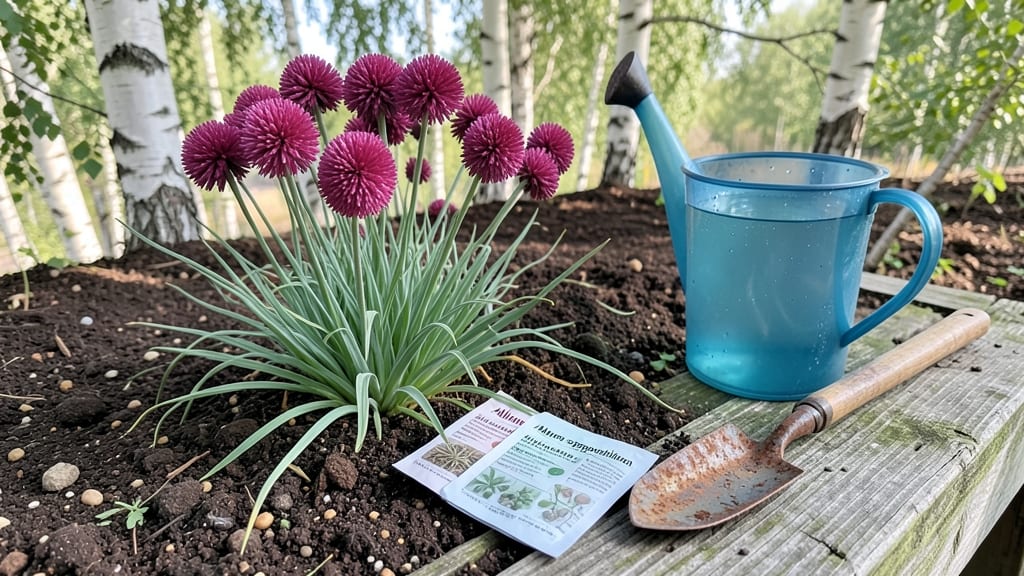
Zone 6 seeds thrive in climates with average minimum temperatures of 0–10°F, requiring careful selection of cold-hardy varieties like kale, broccoli, and snap peas for cool seasons, while tomatoes, peppers, and beans suit warmer months. Start indoors 6–8 weeks before last frost for optimal transplanting success.
Selecting the right Zone 6 seeds means matching your garden's frost dates with plants that can handle your region's 0–10°F winters. 🌱 I've learned that native varieties often outperform hybrids because they've adapted to local conditions over generations.
For example, 'Winterbor' kale and 'Sugar Snap' peas thrive in cool weather, while 'Celebrity' tomatoes need warmer soil temperatures to germinate.
The key is planning ahead—starting seeds indoors gives them a head start before transplanting after the last frost date, which typically falls between April 15–May 1 in most Zone 6 areas.
What sets Zone 6 gardening apart is the ability to extend growing seasons. Many gardeners I know use row covers or cold frames to protect tender plants like basil and lettuce well into fall.
This strategy lets you enjoy fresh produce months longer than you'd expect from just the average frost dates. The real secret? Paying attention to your microclimate—south-facing beds warm up faster, while shaded areas stay cooler longer.
💡 In This Article
- Understanding Zone 6 Hardiness and Seed Selection
- Zone 6 Planting Calendar by Crop Type
Understanding Zone 6 hardiness and seed selection
Zone 6's defining characteristic is its 150–200 frost-free days, with average winter lows between 0–10°F. This means plants must either survive freezing temperatures or be planted after the last frost (typically April 15–May 1 in most areas).
The USDA's Zone 6 classification accounts for both cold tolerance and heat requirements—plants like Swiss chard can handle -15°F with mulch, while eggplant needs soil above 60°F to germinate. The challenge lies in matching seed varieties to these extremes.
Here's what's actually happening at the cellular level: Cold-hardy seeds contain protective proteins that prevent ice crystal formation in plant tissues. For example, broccoli produces antifreeze-like compounds that lower its freezing point to -5°F.
Meanwhile, tender crops like cucumbers lack these adaptations and will die if exposed to 32°F for more than an hour. This biological difference explains why Zone 6 gardeners prioritize cool-season crops in early spring and late fall when temperatures hover around 50–60°F—ideal for germination without heat stress.
Choosing native or regionally adapted seeds gives you a 20–30% yield advantage because these varieties have evolved with local pests, soil types, and weather patterns.
Take 'Mammoth Melting' sugar snap peas, which thrive in Zone 6's short growing season by maturing in just 60 days—perfect for our 180-day frost-free period. In contrast, southern varieties might bolt (flower prematurely) in our cooler summers.
The key is looking for seeds labeled "Zone 6 adapted" or sourced from local nurseries that specialize in cold-climate varieties.
Microclimates create opportunities for extended growing seasons. A south-facing wall can add 10–14°F of warmth compared to open garden beds, allowing you to plant basil 3 weeks earlier in spring or keep lettuce growing 2 weeks later in fall.
Even a simple black plastic mulch raises soil temperatures by 5–8°F, which is enough to coax tomatoes to germinate when regular soil is still too cold. These small adjustments let you push the limits of what's possible in Zone 6.
Don't overlook the importance of soil temperature—it's often more critical than air temperature for seed germination. Use a soil thermometer to monitor conditions: 40°F is ideal for peas and lettuce, while 70°F is needed for beans and squash.
Most Zone 6 gardeners wait until soil reaches 55°F before planting warm-season crops, even if air temperatures seem mild. This patience prevents seed rot and ensures strong root development.
What most people don't realize is how moisture management affects cold tolerance. Overwatering before a freeze can actually kill plants because water conducts cold more efficiently than air. Instead, water deeply 2–3 days before the first frost to encourage root hardening, then let the soil dry slightly.
This technique helps kale and spinach survive -10°F temperatures that would otherwise be fatal. It's one of those gardening secrets that makes all the difference in harsh winters.
The real magic happens when you combine these principles with succession planting. By staggering plantings every 2 weeks from May through July, you can enjoy continuous harvests of radishes (ready in 25 days) and bush beans (ready in 50 days) throughout the growing season.
This approach maximizes your 180-day window and ensures no part of your garden sits idle. 🌱