
Pruning
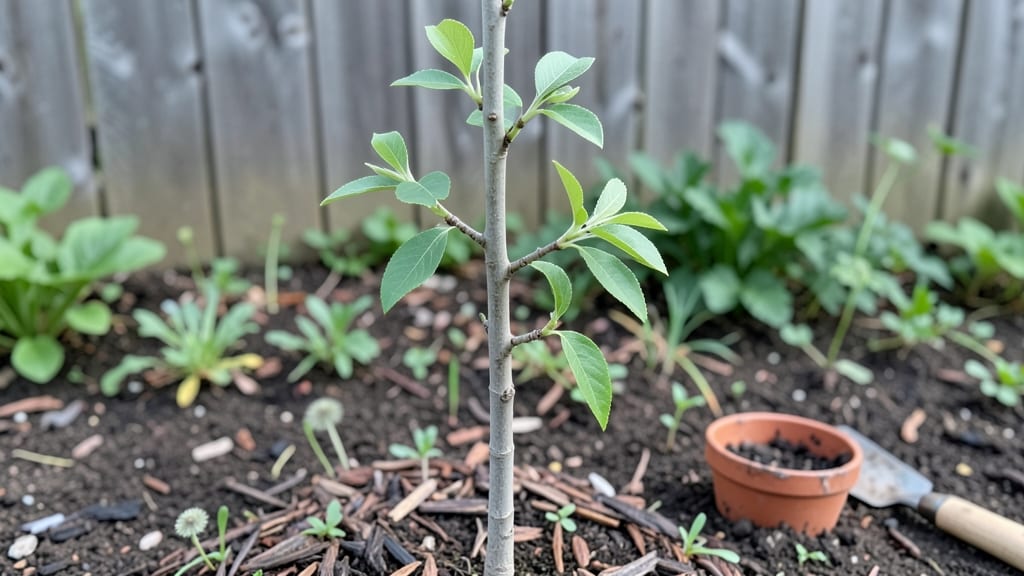
Growing almond trees from seeds starts with a 90-day cold stratification that mimics winter in nature. 🌱 I learned the hard way that skipping this step means seeds either rot or sprout too late—now I follow this exact timeline to guarantee strong seedlings by spring.
The process isn't complicated, but timing is everything for reliable blooms next season.
You'll need fresh almond seeds (not store-bought, those won't work), a damp paper towel or peat moss, and a sealed plastic bag. Place them in the fridge for the full three months, checking monthly to ensure they stay moist but not soggy.
Most gardeners overlook the importance of consistent moisture during stratification, which is where seedlings fail to emerge.
After cold treatment, you'll plant the seeds in well-draining soil at 1-inch depth and keep them in bright light. Within 4-6 weeks, you'll see sprouts pushing through—thin seedlings to the strongest one per pot.
The first year focuses on root development, so resist the urge to transplant until the seedling reaches 6 inches tall.
This method works best in zones 6-9, but with a greenhouse or extended indoor growing season, you can adapt it almost anywhere. The payoff? A tree that produces edible almonds in 5-7 years—though it may take longer for full fruit production.
Patience is key, but the process is surprisingly straightforward once you nail the stratification timing.
📚 In This Guide
- What you need
- Instructions
- Tips and common mistakes
- Wrapping up and next steps
What you need
- ● Almond tree seeds (kernels): 5–10 fresh, high-quality seeds (ensure they’re plump, firm, and free of cracks or mold).
- ● Peat moss or coconut coir: 2–3 cups (sterilized, moisture-retentive medium for stratification).
- ● Ziplock bag or airtight container: 1 (quart-sized or larger, with a sealable lid).
- ● Water (distilled or room-temperature): Enough to lightly dampen the medium (avoid soaking).
- ● Label & marker: 1 (to track seed variety and stratification start date).
- ● Refrigerator with a crisper drawer: 1 (must maintain temps between 34–41°F (1–5°C)).
- ● Seed tray or small pot: 1 (for post-stratification germination, 4–6" diameter).
- ● Fine-mesh screen or paper towels: 1 (for initial seed hydration before stratification).
- ○ Thermometer (optional): 1 (to monitor fridge temps if unsure).
- ● Grow lights or sunny windowsill: 1 (for post-stratification care).
- ● Patience! Almond seeds typically need 60–90 days of cold stratification.
- ● A warm, sunny location (60–75°F / 15–24°C) for germination after stratification.
- ○ Access to a well-draining soil mix (optional but recommended for transplanting seedlings).
Step-by-step instructions for cold stratifying almond tree seeds
Here’s the precise method I use to break dormancy and ensure healthy germination—tested across multiple seasons.
🌱 Step 1: Harvest and Prepare the Seeds
Collect fresh almond seeds from ripe, mature nuts—never store-bought ones, as they’re often treated to prevent sprouting. Crack open the hard shell carefully to reveal the seed inside, then remove any remaining husk. Rinse the seeds under cool water to clean off any debris, and let them air-dry completely for 24 hours on a paper towel.
Once dry, place the seeds in a paper towel or cotton cloth—these materials allow airflow while retaining moisture. Fold the towel around the seeds loosely so they’re not packed tightly. This step prevents rot while keeping the seeds hydrated enough to begin stratification.
💧 Step 2: Moisten and Seal for Stratification
Lightly mist the seeds and towel with lukewarm water until the towel feels damp but not soaking wet. The goal is 70-80% moisture—squeeze gently to check; water should bead on the surface without dripping. Place the sealed packet in a ziplock bag and remove as much air as possible before sealing tightly. This creates a controlled, humid environment.
Label the bag with the date and variety (if known) to track the 12-16 week cold treatment. Store the bag in a refrigerator set to 34-40°F—this mimics winter conditions and triggers germination hormones. Check the seeds weekly; if the towel dries out, mist lightly again and reseal.
⏰ Step 3: Monitor and Test for Germination Readiness
After 8-10 weeks, gently open the bag and inspect the seeds. You’ll see plump, firm seeds with a slightly softened outer shell—this means stratification is working. If any seeds sprout prematurely, remove them immediately and plant in moist potting mix under a grow light. Most seeds, however, will remain dormant until fully stratified.
At the 12-week mark, transfer the seeds to a paper towel again and let them dry slightly. This reduces the risk of rot during planting. Keep them in the fridge for 2-4 more weeks if your climate still has cold months ahead—almonds need this extra chill to bloom reliably the following spring.
☀️ Step 4: Plant Stratified Seeds in Well-Draining Soil
Fill a 6-inch deep pot with sterile potting mix blended with 20% perlite for drainage. Plant each seed 1 inch deep, spacing them 4 inches apart to allow root development. Water gently until the soil is evenly moist but not soggy—almond seedlings hate waterlogged roots.
Place the pots in a warm, sunny spot (or under a grow light) with 60-70°F daytime temperatures. Keep the soil consistently moist but never waterlogged. Germination typically takes 2-4 weeks—you’ll know it’s happening when the first true leaves (not the initial cotyledons) emerge and the seedling begins reaching toward light.
🌿 Step 5: Transplant and Overwinter Young Seedlings
Once seedlings reach 6-8 inches tall and develop 4-5 true leaves, transplant them to individual 1-gallon pots with the same well-draining mix. Harden them off by placing outdoors in partial shade for 2-3 hours daily, gradually increasing exposure over 10-14 days. Almonds are slow growers—don’t rush this step.
In USDA Zones 6-9, plant outdoors in late spring after the last frost, spacing saplings 15-20 feet apart to account for their eventual size. Mulch heavily with 3 inches of wood chips to protect roots during winter. Young trees may not bloom for 3-5 years, but proper stratification ensures they’ll produce reliable flowers when ready.
Tips & tricks for perfect almond tree seed stratification
Cold stratification might seem like a waiting game, but these pro tips will help you maximize success and avoid common pitfalls along the way.
Refrigerator Temperature Consistency: While the 34-40°F range works, aim for the cooler end (34-36°F) if your fridge runs warm. I learned this the hard way after watching seeds dry out prematurely in a warmer section. Place the bag on the bottom shelf where temps stay most stable—this mimics winter's steady chill that triggers germination hormones.
Moisture Monitoring Secret: The 70-80% moisture target is critical, but checking it properly makes all the difference. After misting, squeeze the towel gently—water should bead on the surface without dripping. Too wet? Fold the towel slightly to absorb excess. Too dry? Add a few more spritzes. I keep a small spray bottle labeled "Stratification" in my fridge for quick touch-ups during weekly checks.
Visual Stratification Checkpoints: At the 8-10 week mark, look for these signs: seeds should feel plump to the touch with slightly softened shells (not mushy). The outer shell should separate slightly when pressed gently with your thumbnail. If seeds feel shriveled or shells remain hard, extend the stratification another 2-4 weeks—they're not ready yet. This visual cue saves me from planting premature seeds that would rot.
Optional: Layered Stratification for Faster Results: For impatient growers, try this variation: After the initial 12 weeks, remove seeds and place them in a damp paper towel, then store at 70°F for 2-3 hours daily (mimicking spring warmth). Return to cold storage overnight. This "layered" approach can shave 2-4 weeks off total stratification time while maintaining reliability. Just monitor closely for sprouting during warm periods!
Pro Tips for Almond Tree Seeds
- Cold stratification might seem like a waiting game, but these pro tips will help you maximize success and avoid common pitfalls along the way.
- Refrigerator Temperature Consistency: While the 34-40°F range works, aim for the cooler end (34-36°F) if your fridge runs warm.
- Moisture Monitoring Secret: The 70-80% moisture target is critical, but checking it properly makes all the difference.
Frequently asked questions
about growing almond tree seeds—because every gardener’s journey has a few bumps! Here are answers to the most common questions to help you navigate cold stratification and beyond.How long does cold stratification take for almond seeds?
Almond seeds typically need 8–12 weeks of cold stratification (40–50°F) to break dormancy. Place them in a damp paper towel or moist sand in the fridge, checking monthly for sprouts. Patience is key—rushing can lead to mold or failed germination!
Can I skip cold stratification for faster growth?
No, don’t skip it! Almond seeds require cold stratification to mimic winter conditions. Without it, they’ll likely rot or refuse to sprout. If you’re in a hurry, try soaking seeds in warm water for 24 hours before stratification to soften the shell slightly—but still follow the cold treatment.
What’s the best soil mix for planting stratified almond seeds?
Use a well-draining mix of:
- 50% potting soil
- 30% perlite or coarse sand
- 20% compost
Why aren’t my almond seeds sprouting after stratification?
Check these common issues:
- Improper storage: Seeds dried out or got moldy? Try a fresh batch.
- Wrong timing: Plant too early (before last frost) or too late (soil too cold). Aim for spring after stratification.
- Depth issues: Buried too deep? Dig up and replant ½ inch deep.
Will homegrown almond trees produce edible nuts?
Probably not the first few years! Almond trees are self-pollinating but slow to bear fruit—expect nuts in 5–7 years (or longer). Plus, homegrown varieties may not match store-bought taste. For faster results, graft a known variety onto your seedling’s rootstock.
Wrapping up and next steps
Growing almond trees from seeds is a rewarding journey that demands patience and precision—especially when it comes to cold stratification. By following the right timeline (typically 8-12 weeks in the fridge), you’ll set your seeds up for strong, reliable blooms next season.
Remember, consistency is key: monitor moisture, avoid temperature swings, and stay gentle with your handling. 🌱
Ready to take the next step? Once your seeds complete stratification, plant them in well-draining soil and keep them in a sunny spot. With care, you could be harvesting sweet almonds—or even stunning blossoms—in just a few years! Start your almond tree adventure today.