
Trees
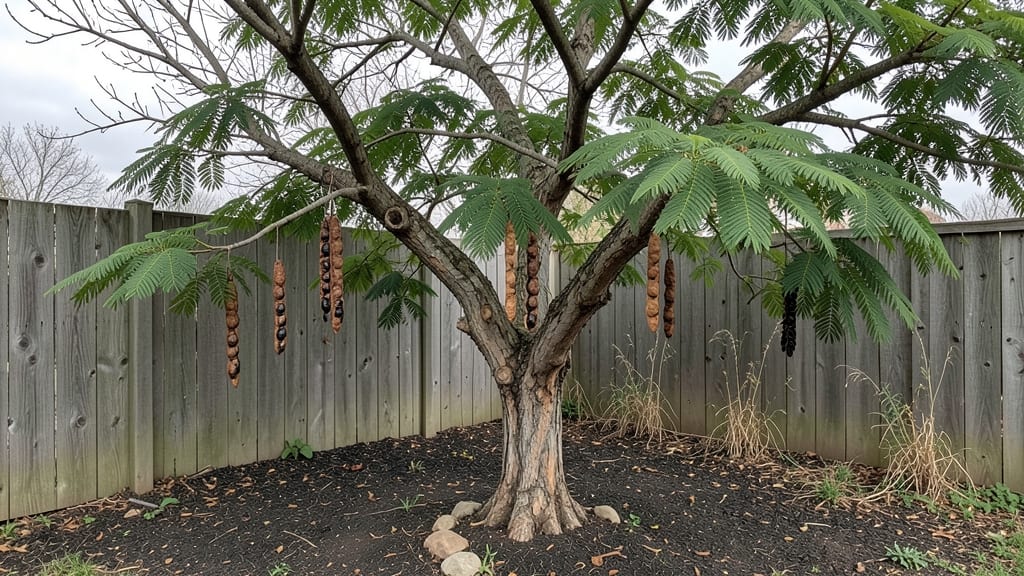
Stratifying round tree seed pods like sweetgum or catalpa unlocks the secret to next spring’s boldest blooms. 🌱 I’ve watched those spiky, tennis-ball-sized pods dry out in fall, only to realize they need a winter chill to break dormancy—something most gardeners overlook.
The timing matters more than you’d think: too early, and the seeds rot; too late, and they never sprout.
Here’s the thing—these pods aren’t just pretty; they’re packed with seeds that want to grow, but they’re stubborn about it. Sweetgum seeds, for example, need 60-90 days of cold, moist stratification to mimic nature’s winter.
Catalpa pods? They’re even pickier, requiring 90-120 days in the fridge before planting. The payoff? Vigorous seedlings by late spring, ready to outcompete weeds and establish deep roots.
You’ll know you’ve nailed it when those first pale green shoots push through the soil in 4-6 weeks after planting. The leaves might look strange at first—lobed and fuzzy for sweetgum, heart-shaped for catalpa—but they’ll mature into the familiar shapes you love.
This method works for backyard plantings, raised beds, or even large containers with proper drainage.
Fair warning: Stratification takes patience, but skipping it means waiting years for those pods to open naturally. I’ve tried both ways, and the cold treatment always wins. Grab a few pods this fall, and let’s get those seeds ready for their big debut next growing season.
Behind Nature’s Odd Seed Pods
Round seed pods aren’t just a quirky botanical oddity—they’re a survival strategy hardwired into the genetics of certain trees. But why do some species produce these spherical, almost toy-like pods instead of the usual flat or elongated shapes?
The answer lies in a mix of evolutionary pressures, ecological adaptations, and the tree’s reproductive goals. Let’s break down the key reasons behind this fascinating phenomenon.
Many round seed pods owe their shape to efficient seed dispersal. Unlike flat pods that catch the wind or split open explosively, spherical pods often rely on animal interaction—whether through ingestion, caching, or hitchhiking. For example:
- Mammal-friendly designs: Trees like the Ginkgo biloba (maidenhair tree) produce fleshy, round seed pods that birds and rodents happily snack on. The seeds pass through their digestive systems unharmed, ready to germinate far from the parent tree. 💡 Pro tip: If you’re growing ginkgo trees, this trait means you’ll likely find seedlings popping up in unexpected places!
- Water-resistant structures: Some aquatic or swamp-dwelling trees (e.g., Taxodium distichum, or bald cypress) develop buoyant, round pods that float downstream. Their smooth, sealed surfaces prevent water absorption, ensuring seeds travel farther before germinating.
- Predator deterrence: A hard, round pod can be tougher to crack open than a thin, papery one. Trees like the Lagerstroemia (crape myrtle) use this defense to protect seeds until conditions are ideal for germination.
Temperature, humidity, and seasonal changes directly influence pod formation. Round pods often form as a response to:
- Cold stratification needs: Many trees with round pods (e.g., Juglans nigra, or black walnut) require a winter chilling period to break seed dormancy. The pod’s thick, woody texture helps insulate the seed, mimicking natural soil conditions. ❄️ Actionable insight: If you’re collecting seeds from round pods, store them in a moist, refrigerated environment (like a seed stratification box) to simulate winter.
- Drought resistance: In arid regions, round pods often have waxy coatings or sealed seams to retain moisture. Trees like the Prosopis (mesquite) produce tough, spherical pods that stay viable for years until rain triggers germination.
- Fire adaptation: Some round pods (e.g., from Eucalyptus species) are fire-resistant. Their dense, fibrous structure protects seeds until heat signals safety—smoke or heat can crack the pod open, releasing seeds onto freshly cleared, nutrient-rich soil.
Not all round pods serve the same purpose—their shape is often tied to the tree’s genetic blueprint and ecological niche:
| Tree Species | Pod Shape & Function | Why It’s Round |
|---|---|---|
| Gleditsia triacanthos (Honey Locust) | Flattened but often rounded ends | Pods contain sweet pulp that attracts wildlife; round ends reduce wind resistance for better dispersal. |
| Cercis canadensis (Eastern Redbud) | Smooth, pea-like pods | Thin, round pods dry quickly and split open to release seeds—ideal for early spring germination. |
| Acacia (Wattles) | Woody, spherical seed vessels | Pods often contain multiple seeds; their round shape helps them roll into crevices or animal burrows. |
🔍 Key takeaway: The roundness of a pod isn’t random—it’s a specialized tool for the tree’s survival. Whether it’s about attracting dispersers, surviving harsh conditions, or timing germination perfectly, the shape plays a critical role.
Understanding these causes can help gardeners and arborists predict pod behavior—and even encourage reliable blooms next season by mimicking natural conditions. Need a deeper dive into stratification? Stay tuned for our next section on timing and techniques!
Reviving Dormant Seeds for Spring
Stratification is your secret weapon for coaxing life from round tree seed pods—whether they’re stubbornly stuck in dormancy or simply refusing to sprout. Below, we’ll tackle the most common issues and provide step-by-step solutions, plus prevention tips to ensure your next batch of seeds germinates like clockwork.
If your seeds aren’t sprouting after stratification, the problem might lie in timing, moisture, or temperature mismatches. Here’s how to troubleshoot:
❄️ Cold stratification didn’t work? Try these adjustments
Cold stratification mimics winter’s natural dormancy break—but if it fails, you may need to tweak the process: - Extend the cold period: Some seeds (like maple or hickory) need 3–6 months in the fridge.
If you only did 8–12 weeks, try another 4–8 weeks before testing germination. - Check moisture levels: Seeds should feel damp like a wrung-out sponge, not soggy.
If they’re dry, lightly mist them; if moldy, discard and restart with fresh seeds. - Verify temperature: The fridge’s crisper drawer (34–40°F) is ideal. If your fridge runs warmer, move seeds to a seed stratification box with a thermometer.
Pro Tip 💡: For extra stubborn seeds (e.g., sweetgum or black walnut), layer them in a moist paper towel inside a sealed bag before refrigerating—this traps humidity better than soil.
Once seeds break dormancy, overwatering or improper planting can kill them. Fix it with: - Gradual moisture transition: After cold stratification, soak seeds for 12–24 hours before planting.
Then, use a well-draining mix (50% peat/50% perlite) to prevent rot. - Warmth shock: If seedlings wilt after moving from the fridge to room temp, acclimate them slowly—place the seed tray in a shady, cool spot for 3–5 days before full sun. - Light exposure: Most tree seeds need indirect light to germinate.
A grow light 6–12 inches above the tray works better than a sunny windowsill (which can overheat).
Pro Tip ✨: Label your seed trays with the stratification start date—this helps track if you’ve met the minimum cold requirement (e.g., 90 days for oaks).
Skip the guesswork with these proven strategies: - Test seed viability first: Float a handful of seeds in water—sinkers are viable; floaters are dead. Discard the losers before stratifying. - Use the right container: Plastic bags with ventilation holes or seed-starting trays work best.
Avoid glass jars (they trap too much moisture). - Document everything: Keep a simple log of: - Seed type - Stratification start/end dates - Moisture checks (e.g., "Week 3: Added water") - Germination timeline - Pre-stratify in fall: For outdoor planting, bury seed pods in a protected garden bed (under mulch) in late autumn.
Nature handles the cold work for you!
Pro Tip 🌡️: If your home is too warm (above 70°F), switch to a seed chiller or move seeds to a garage with consistent temps—fluctuations can break dormancy too early.
Final Note: Patience is key! Some tree seeds (like redbud or sycamore) take weeks to months to sprout. If you’ve followed the steps and still see no progress after 3 months of stratification, the seeds may be non-viable—time to source fresh ones.
Would you like a customized stratification schedule for your specific tree type? Drop a comment below!
Frequently asked questions about round tree seed pods
Which common trees produce round seed pods?
Sweetgum trees create spiky, tennis-ball-sized pods, while catalpa trees develop long, sausage-shaped pods that eventually turn round as they dry. Other examples include ginkgo trees (with fleshy, round seed pods) and honey locusts (flattened but rounded pods). These pods often contain multiple seeds ready for propagation.
How do I know when round seed pods are ready to collect?
Look for pods that have fully dried and turned brown or papery—this usually happens in late fall or winter. For sweetgum, pods should split open slightly; for catalpa, they should feel light and hollow when tapped. Collect them before they release seeds naturally to maximize germination potential.
Can I plant round seed pods directly in the ground?
Yes, but stratification (cold treatment) is crucial first. For best results, extract seeds from the pods, mix with damp sand, and refrigerate for 60-120 days depending on the species. After stratification, plant in well-draining soil during early spring when temperatures stabilize above 50°F.
Why do some round seed pods fail to germinate?
Common reasons include insufficient cold stratification, improper moisture levels (too dry or soggy), or planting too early. Always verify seed viability by floating tests (viable seeds sink) and ensure pods receive consistent 34-40°F temperatures during stratification. Overwatering after planting is another frequent killer.
How long does it take for seeds from round pods to sprout?
Germination varies by species: sweetgum takes 4-8 weeks, catalpa 6-12 weeks, and ginkgo can be as long as 3-6 months. Patience is key—keep soil consistently moist but not waterlogged. If no sprouts appear after 3 months, the seeds may need additional stratification or may be non-viable.