
Flowers
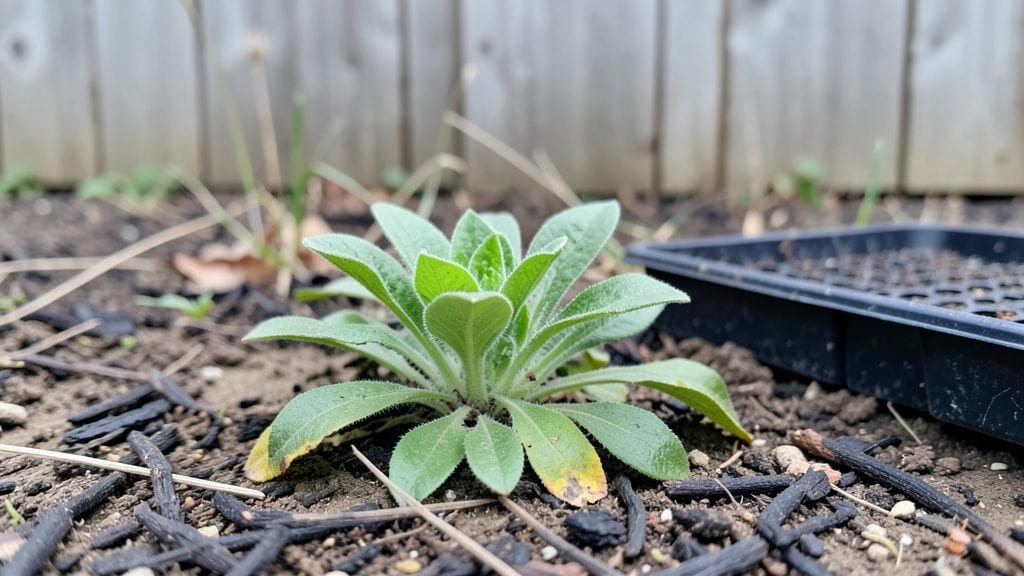
Blanket flower seedlings transform into fiery orange blooms that stop neighbors in their tracks—if you give them the right start. 🌻 I’ve watched these tiny green shoots turn into showstopping plants in just three months, and the secret lies in the first few weeks when they’re most vulnerable.
The right soil mix, gentle watering, and plenty of light make all the difference between leggy failures and sturdy, vibrant seedlings.
You’ll need well-draining seed-starting mix, small pots or a seed tray, and a sunny windowsill or grow light. Most beginners overwater, which causes damping-off—a fungal nightmare—but keeping the soil lightly moist (not soggy) prevents this.
Within two weeks, you’ll see those first true leaves, signaling it’s time to introduce a bit more light and space for growth.
By month three, your seedlings will be ready to transplant outdoors after the last frost, bursting with bold color that lasts all summer. The key is consistency: steady watering, gradual hardening off, and choosing a sunny spot where they’ll thrive.
Every year, my blanket flowers become the star of the late-summer garden, and it all starts with these tiny, determined seedlings.
Works in full sun or partial shade, and even drought-tolerant once established—perfect for borders, containers, or cutting gardens. Let’s get those seeds sprouting strong!
📚 In This Guide
- What you need
- Instructions
- Tips and common mistakes
- Wrapping up and next steps
What you need
- ● Blanket flower seeds: 10–20 seeds (choose heirloom or hybrid varieties like ‘Arizona Sun’ or ‘Mesa Red’ for bold colors).
- ● Seed-starting mix: 2–3 cups of sterile, well-draining potting soil (avoid garden soil—it’s too dense!).
- ● Seed trays or small pots: 2–4 biodegradable or plastic cell packs (2–3 inches deep).
- ● Grow lights or sunny windowsill: A full-spectrum LED grow light (12–16 hours/day) or a south-facing window.
- ● Spray bottle: For gentle watering (avoid over-saturating seeds!).
- ○ Plastic wrap or humidity dome: To create a mini greenhouse effect (optional but helpful).
- ● Trowel or small spoon: For planting seeds (1/4 inch deep).
- ○ Misting nozzle (optional): Keeps soil moist without disturbing seeds.
- ● Fertilizer (balanced 10-10-10 or seed starter): 1 tsp diluted in water for first feeding (after 2–3 weeks).
- ○ Heat mat (optional): Speeds germination (70–75°F ideal).
- ● Transplanting pots (3–4 inches): For hardening off seedlings before outdoor planting.
- ● Patience! Blanket flower seeds germinate in 7–14 days (with warmth and moisture).
- ● A sunny spot (6+ hours of light daily) for mature plants.
- ● Well-draining soil (amend with perlite if needed).
Step-by-Step instructions for cultivating blanket flower seedlings
Watch those delicate sprouts transform into vibrant, drought-tolerant blooms with this foolproof method.
🌱 Step 1: Prepare Containers and Sow Seeds at the Right Depth
Fill small 2-3 inch deep seedling pots with sterile seed-starting mix—blanket flower seeds need loose, well-draining soil to prevent rot. Press the mix down gently to remove air pockets, then create a shallow furrow about ¼ inch deep with your finger. This depth ensures seeds don't dry out while giving them room to push through.
Sow seeds ½ inch apart in the furrow, spacing them evenly so you don't overcrowd. I like to use a toothpick to place each seed individually—this prevents accidental clumping that leads to weak seedlings. Cover lightly with a thin layer of additional mix, just enough to obscure the seeds but not bury them deeply.
💧 Step 2: Maintain Consistent Moisture Without Overwatering
Mist the soil surface gently until evenly moist, but avoid soaking it—blanket flower seeds rot quickly in soggy conditions. The ideal moisture level feels like a wrung-out sponge: damp but not dripping. Place the pots in a shallow tray filled with ½ inch of water to create humidity without direct overhead watering.
Keep the tray in a warm spot with 70-75°F temperatures—this mimics their native prairie conditions. Germination typically takes 10-21 days, but don't be surprised if some seeds take longer. You'll know they're ready when the first true leaves appear—these look like tiny, fuzzy versions of the mature plant's foliage.
☀️ Step 3: Provide Bright, Indirect Light Immediately After Germination
The moment seedlings emerge, move them to a bright location with 6-8 hours of indirect light daily. South-facing windows work well, but direct midday sun can scorch tender leaves. If your seedlings stretch toward the light with pale stems, they're not getting enough intensity—supplement with a grow light positioned 4-6 inches above the plants.
Rotate the pots a quarter turn daily so seedlings grow straight rather than leaning. You'll notice strong seedlings develop deep green leaves and sturdy stems within 3-4 weeks. At this stage, they're ready for their first true fertilizer application—use a diluted 10-10-10 solution at half strength.
✂️ Step 4: Thin and Harden Off for Transplant Success
When seedlings reach 2-3 inches tall with 3-4 true leaves, thin them to leave the strongest plant per pot. Use clean scissors to snip unwanted seedlings at soil level—this prevents disturbing roots of remaining plants. The thinned seedlings can be replanted or composted; blanket flower handles transplanting well even at this early stage.
Begin hardening off 10-14 days before your last frost date by placing seedlings outside in a sheltered spot for 1-2 hours daily. Gradually increase exposure over 7-10 days, watching for signs of stress like wilting or yellowing. Once they tolerate full sun without wilting, they're ready for the garden. Plant in well-draining soil with 12-18 inches between plants—this spacing gives their robust roots room to establish.
🪴 Step 5: Establish in Garden Beds for Long-Term Growth
Dig holes slightly deeper than the root ball to encourage strong root growth. Place each seedling in its hole, then backfill with native soil mixed with 1 cup of compost per plant. Water deeply to settle the soil and remove air pockets, then apply 1 inch of mulch around the base to retain moisture and suppress weeds.
Blanket flower thrives in full sun and dry conditions once established. Water newly transplanted seedlings deeply once weekly until they show new growth—after that, they're incredibly drought-tolerant. You'll see the first blooms appear 60-90 days after transplanting, with flowers lasting until frost if deadheaded regularly.
Tips & tricks for perfect blanket flower seedlings
These practical insights will help you nurture robust blanket flower seedlings that thrive from the very first sprout.
Soil Preparation Secret: Sterilize your seed-starting mix by microwaving it for 2 minutes in a damp paper towel before use. This eliminates pathogens that could cause damping-off—a common fungal issue with blanket flower seedlings. In Step 1, press the mix down firmly to remove air pockets, then create that shallow ¼-inch furrow with your fingertip. The goal is to mimic the loose, well-draining prairie soil where blanket flower naturally grows.
Germination Environment: The 70-75°F temperature range in Step 2 is crucial because blanket flower seeds are sensitive to temperature fluctuations. Place your seedling tray on top of a refrigerator (not inside) to maintain consistent warmth without overheating. If germination takes longer than 21 days, check your moisture level—seeds need consistent dampness but never soggy conditions. A clear plastic bag loosely draped over the tray creates a humid microclimate without trapping excess moisture.
Lighting Strategy: For the 6-8 hours of indirect light in Step 3, position your seedlings within 12 inches of a south-facing window during winter months when sunlight is weaker. If you notice seedlings stretching toward the light with pale stems (a condition called etiolation), immediately supplement with a grow light positioned 4-6 inches above. Rotate the pots daily to prevent uneven growth—this simple habit ensures your seedlings develop strong, sturdy stems capable of supporting their eventual blooms.
Transplanting Timing: When hardening off in Step 4, start with just 1-2 hours of outdoor exposure to acclimate seedlings gradually. Watch for subtle signs of stress like slight leaf curling or pale edges—these indicate they're not ready for longer periods outside. The 10-14 day hardening period before last frost is non-negotiable for blanket flower; their native prairie resilience develops during this crucial adaptation phase.
Pro Tips for Blanket Flower Seedling
- These practical insights will help you nurture robust blanket flower seedlings that thrive from the very first sprout.
- Soil Preparation Secret: Sterilize your seed-starting mix by microwaving it for 2 minutes in a damp paper towel before use.
- Germination Environment: The 70-75°F temperature range in Step 2 is crucial because blanket flower seeds are sensitive to temperature fluctuations.
Frequently asked questions
Got questions about growing blanket flower seedlings?
You’re not alone! Here are some of the most common concerns—plus quick, practical answers to help your tiny starts thrive into vibrant blooms.
How long does it take for blanket flower seedlings to germinate?
Blanket flower seeds typically germinate in 7–21 days after sowing, depending on temperature and moisture. Keep the soil consistently warm (around 70–75°F) and humid with a plastic dome or spray bottle. Patience is key—some seeds may take longer, especially in cooler conditions. Pro tip: Soak seeds overnight before planting to speed up germination!
When is the best time to plant blanket flower seedlings outdoors?
Wait until after the last frost and soil temperatures reach at least 60°F—usually late spring to early summer in most climates. Harden off seedlings (acclimate them to outdoor conditions) for 7–10 days before transplanting. Choose a sunny spot with well-draining soil to avoid root rot. Bonus: Morning sunlight helps them adjust gradually!
Why are my blanket flower seedlings turning yellow or leggy?
Yellowing leaves often signal overwatering, poor drainage, or nutrient deficiency. Leggy seedlings mean they’re stretching for light—move them closer to a bright window or under grow lights. Use a balanced fertilizer (10-10-10) every 4–6 weeks once true leaves appear. Fix: Let the top inch of soil dry out between waterings to prevent soggy roots!
Can I grow blanket flowers from store-bought seeds or cuttings?
Store-bought seeds are the easiest way to start blanket flowers! They’re non-GMO, heirloom varieties and often treated for faster germination. While you can propagate from cuttings (rooting in water or soil), seeds are more reliable for consistent blooms. Tip: Save seeds from your healthiest plants for next year’s garden!
What pests should I watch for in blanket flower seedlings?
Keep an eye out for aphids, spider mites, and slugs, which love tender new growth. Spray seedlings with neem oil or insecticidal soap if you spot pests early. Healthy seedlings with strong airflow resist attacks better. Prevention: Inspect leaves weekly and remove damaged foliage immediately!
Wrapping up and next steps
Growing blanket flower seedlings into vibrant blooms is a rewarding journey that combines patience with a touch of creativity! 🌱 With the right soil, sunlight, and care, you’ll soon enjoy bold, fiery flowers that brighten any garden or container.
Whether you’re a beginner or a seasoned gardener, these tips make the process simple and fun—so grab those seeds and get planting!
Ready to take the next step? Start your seedlings indoors now (if your climate demands it) or direct-sow outdoors in warmer months. Watch them thrive, and soon, your garden will be bursting with color—one tiny seedling at a time! 🌸