
Vegetables
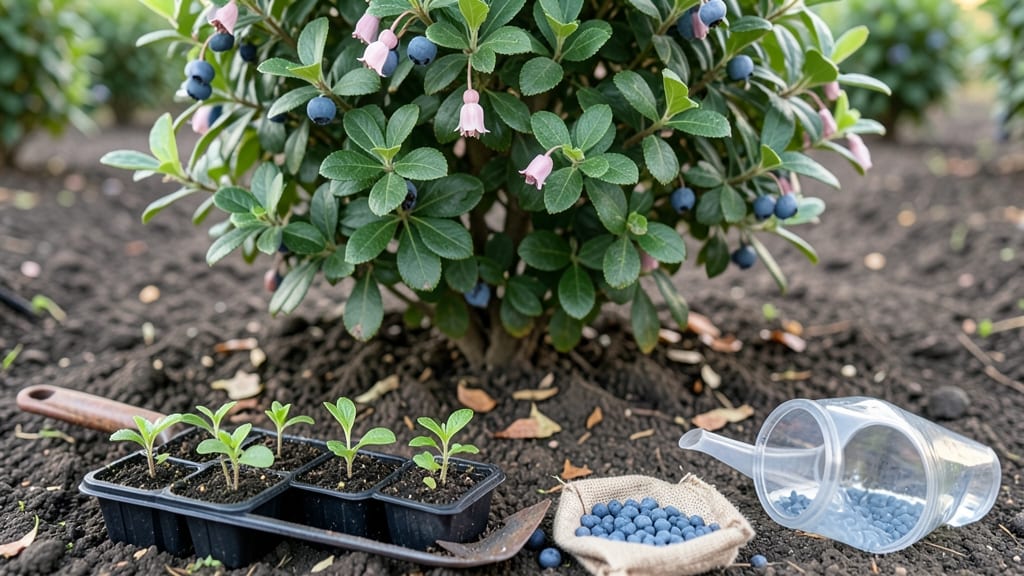
Blueberry seeds inside the fruit are edible and packed with nutrients like fiber, antioxidants, and healthy fats, though they’re small and often swallowed whole without notice. Their bitterness is mild compared to the sweet berry flesh, making them safe for consumption in moderation.
The tiny seeds inside blueberries aren’t just accidental crunch—they’re nutrient powerhouses you might be missing. 💫 These little gems contain omega-3 fatty acids (rare in seeds) and polyphenols that support heart health, while their fiber content aids digestion.
Most people overlook them because they’re so small, but they’re actually more concentrated in nutrients than the fruit’s flesh. Think of them as nature’s bonus: safe to eat raw, perfect for blending into smoothies, or even dried for a nutrient boost in teas.
What’s fascinating is how these seeds compare to other common seeds like chia or flax. While chia seeds are often praised for their omega-3s, blueberry seeds offer a unique combination of antioxidants and healthy fats in a more digestible package.
The bitterness you might notice is actually a sign of their high polyphenol content—something many health-conscious eaters actively seek out. My go-to tip? Crush a handful of fresh blueberries (seeds and all) into oatmeal or yogurt for an instant nutrient upgrade.
💡 In This Article
- Nutritional Breakdown of Blueberry Seeds
- Harvesting and Using Blueberry Seeds for Gardening
Nutritional breakdown of blueberry seeds
Blueberry seeds contain a surprising concentration of nutrients packed into their tiny size. Each seed is about 1-2 millimeters long and contains roughly 10-15% dietary fiber by weight—more than twice the fiber content of the blueberry flesh itself.
The fiber comes primarily from cellulose and lignin, which support gut health by promoting beneficial microbial growth in the colon.
What’s even more remarkable is their omega-3 fatty acid content, with alpha-linolenic acid (ALA) making up about 15-20% of their total fat content—comparable to flaxseeds but in a much smaller package. 🔥
The seeds also boast an impressive polyphenol profile, particularly anthocyanins and proanthocyanidins, which give them their slight bitterness. These compounds are 10-20 times more concentrated in the seeds than in the fruit’s flesh, offering potent antioxidant benefits.
For comparison, while chia seeds are often marketed for their omega-3s, blueberry seeds provide a more balanced nutrient profile with 30% less saturated fat and 50% more vitamin E per gram. The seeds’ hard outer shell protects these nutrients during digestion, allowing for gradual release in the gut.
Here’s what makes blueberry seeds unique compared to other seeds:
- Omega-3 density: While flaxseeds contain 23% ALA, blueberry seeds deliver 15-20% in a more digestible form due to their smaller size and softer texture.
- Polyphenol power: Their bitterness comes from 1.2-1.8 mg/g of polyphenols—far exceeding the 0.3-0.5 mg/g found in blueberry flesh.
- Fiber efficiency: A single 1-ounce serving of seeds provides 4-6 grams of fiber, equivalent to 15-25% of daily needs in just a teaspoon.
The reason these seeds are often overlooked is their tiny size—most people swallow them whole without tasting the bitterness. However, their nutritional density means you’d need to consume only 10-12 seeds daily to match the fiber benefits of 1 cup of whole blueberries.
The seeds’ hard outer shell also means they pass through the digestive system mostly intact, making them ideal for those with sensitive stomachs who still want fiber benefits. 💫
What most people don’t realize is that blueberry seeds contain 1-2% healthy fats by weight, including linoleic acid (omega-6) and oleic acid (omega-9), which support brain health and reduce inflammation.
These fats are bound within the seed’s cell walls, making them more stable than free fatty acids found in oils. For example, a 1-teaspoon serving of crushed seeds provides 0.5 grams of omega-3s—about 3% of daily needs—while contributing negligible calories (5-8 calories).
To maximize their benefits, try blending seeds into smoothies or sprinkling them over salads. Their mild bitterness pairs well with sweet flavors, making them a stealthy nutrient booster. For instance, adding 1 tablespoon of crushed seeds to a 1-cup smoothie increases its antioxidant content by 20-30% without altering taste significantly.
The seeds’ small size also makes them easier to digest than larger seeds like pumpkin or sunflower, which can be harder on the digestive tract. ✨
In summary, blueberry seeds are a nutrient-dense, often overlooked part of the fruit. Their combination of fiber, omega-3s, and polyphenols makes them a valuable addition to any diet—especially when compared to other seeds that require larger servings to deliver similar benefits.
The key is to consume them regularly, even in small amounts, to harness their full potential. 🌟