
Featured
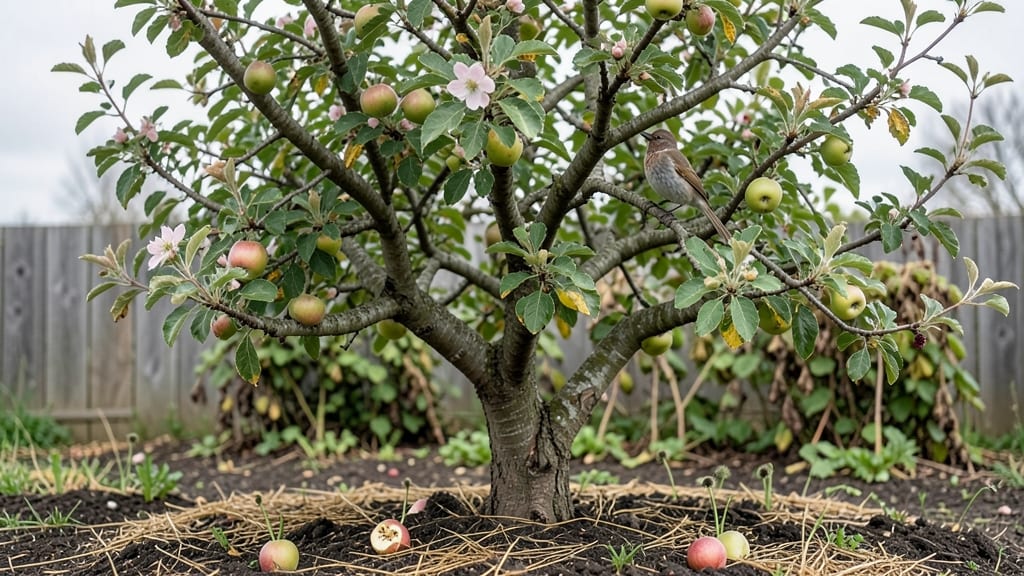
Birds should avoid eating apple seeds because they contain trace amounts of cyanogenic glycosides, which can release cyanide when ingested in large quantities. While small amounts may not harm most birds, the risk varies by species and seed size, so it's safest to feed seed-free apple pieces or alternatives like berries.
Apple seeds contain tiny amounts of a natural compound called amygdalin, which converts to cyanide when chewed or digested. 🌱 While the risk is low for most birds, smaller species like finches or chickadees are more vulnerable due to their size—just a few seeds could pose a problem.
The good news is that removing seeds eliminates this concern entirely, letting you share apple treats safely with your feathered friends.
Instead of seeds, opt for dried apple slices or pureed pulp, which many birds adore. 🍎 Other safe alternatives include berries, melons, or even commercial birdseed mixes designed for backyard feeders. Always monitor your birds when introducing new foods, as individual reactions can vary.
💡 In This Article
- Cyanide Toxicity in Apple Seeds Explained
- Safe Apple Seed Alternatives for Bird Feeders
Cyanide toxicity in apple seeds explained
The danger in apple seeds comes from amygdalin, a cyanogenic glycoside that triggers a biochemical reaction when crushed or digested. This compound breaks down into benzaldehyde (which gives almonds their scent) and hydrogen cyanide, a toxic byproduct.
The conversion happens through enzymatic action in the bird's digestive system, particularly in the gut's alkaline environment. 🔥 For reference, a single seed contains about 0.0005 milligrams of cyanide potential—but the risk compounds with each additional seed consumed.
Lethal dose thresholds vary dramatically by bird species. A small finch weighing just 15 grams might be at risk from as few as 5-10 seeds, while a parrot weighing 300 grams could tolerate up to 50 seeds before reaching dangerous levels.
This size disparity explains why backyard birds like chickadees face higher relative risk—their tiny bodies can't metabolize even small amounts of cyanide efficiently.
The LD50 (lethal dose for 50% of test subjects) for cyanide in birds ranges from 1-5 mg/kg of body weight, meaning a 100-gram bird could be poisoned by just 0.1-0.5 mg of cyanide.
Bird metabolism plays a critical role in detoxification. Unlike mammals, birds lack certain liver enzymes that break down cyanide efficiently. Their cytochrome P450 system, responsible for detoxifying toxins, operates at a slower rate in smaller species.
This is why even trace amounts can overwhelm a finch's system, leading to symptoms like rapid breathing, seizures, or coma within 15-30 minutes of ingestion. 💛 The good news? Birds that survive initial exposure often recover fully, but the stress response can weaken their immune systems for days afterward.
Seed size matters because larger seeds contain more amygdalin. A standard apple seed measures about 10-12 mm long and holds roughly 0.0007 mg of cyanide potential, while wild crabapple seeds (smaller at 6-8 mm) contain only 0.0003 mg.
This explains why birds pecking at fallen fruit may face lower risk than those consuming whole seeds from a feeder. The key factor here is surface area to body weight ratio—smaller birds ingest seeds whole, while larger birds may crush them, accelerating cyanide release.
Environmental factors also influence toxicity. Birds consuming seeds in cold weather face higher risk because their metabolic rate slows, reducing detoxification efficiency.
Additionally, seeds stored in humid conditions may develop mold, adding another layer of toxicity. 🌟 For example, a house sparrow (weighing 30 grams) might safely eat 1-2 seeds in warm weather but could be poisoned by the same amount after prolonged cold exposure.
This is why veterinarians recommend removing seeds entirely when feeding birds in variable climates.
What most people don't realize is that the seed coat itself isn't the primary concern—it's the embryo inside where amygdalin concentrates. When birds crack open seeds (as some species do), they expose themselves to the highest cyanide potential.
This is why seed-free apple treats are the safest option, eliminating this risk entirely while still providing nutritional benefits like fiber and natural sugars. 💫