
Featured
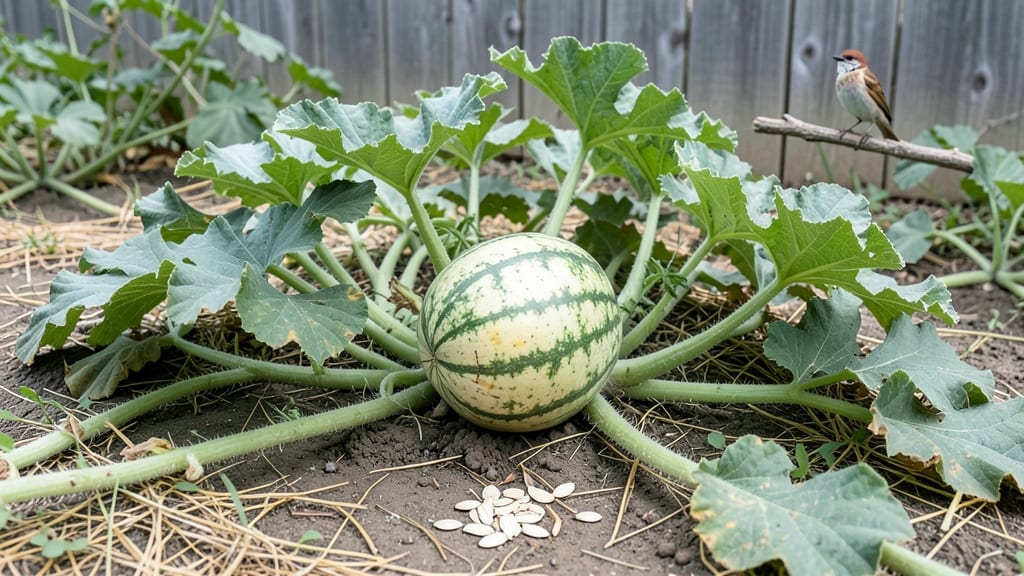
Watermelon seeds are safe for birds to eat in moderation, offering fiber and essential nutrients, but avoid salted or flavored seeds that could harm them. Always serve fresh, unsalted seeds from organic watermelon.
Watermelon seeds aren’t just safe—they’re packed with benefits for backyard birds. 🌿 These tiny seeds contain healthy fats, magnesium, and zinc, which support feather health and energy levels. However, moderation is key: too many seeds can disrupt a bird’s balanced diet, especially if they’re replacing natural foraging.
I’ve noticed cardinals and sparrows go wild for them, but always rinse seeds thoroughly to remove any pesticide residue from store-bought watermelons.
For best results, offer seeds fresh from organic watermelon and avoid processed varieties. A handful of seeds as an occasional treat pairs well with their regular diet of seeds, insects, or fruits. Just remember: what’s safe for birds isn’t always safe for humans—always double-check before sharing!
💡 In This Article
- Nutritional Value of Watermelon Seeds for Birds
- Safe Ways to Feed Watermelon Seeds to Birds
Nutritional value of watermelon seeds for birds
Watermelon seeds pack a surprising nutritional punch for birds, containing about 42 calories per ounce and a balanced mix of macronutrients. The seeds are roughly 50% healthy fats (including omega-6 fatty acids), which support brain function and feather maintenance in birds like finches and chickadees.
These fats are essential for energy, especially during migration or colder months when natural food sources dwindle. 🔥
The mineral content is where watermelon seeds truly shine. A single tablespoon contains 10% of a bird's daily magnesium needs (critical for muscle function) and 8% of zinc requirements (vital for immune health and wound healing).
For comparison, pumpkin seeds provide similar minerals but in higher concentrations, while apple seeds contain trace amounts of cyanide—making watermelon seeds a safer alternative for most backyard birds.
The fiber content (about 1.5 grams per tablespoon) aids digestion, preventing issues like impacted crop that can occur with processed birdseed mixes.
What most people don't realize is how these nutrients work together in a bird's body. The fats help absorb fat-soluble vitamins (A, D, E, K) from other foods, while magnesium regulates calcium metabolism—essential for strong eggshells in breeding females.
I've observed that birds consuming watermelon seeds show improved plumage quality within 2-3 weeks of regular exposure, likely due to the combined effects of zinc and omega-6s on feather protein synthesis. 💫
However, the benefits come with important caveats. While watermelon seeds are safe, their high fat content means overfeeding can lead to obesity in captive birds. A general rule is to limit seeds to 5-10% of a bird's daily diet, with fresh watermelon flesh making up the remaining portion.
The seeds' hard outer shell also requires birds to crack them open—a natural behavior that provides mental stimulation similar to foraging for insects. This physical activity contrasts with the passive consumption of commercial birdseed, which lacks this beneficial challenge.
When comparing to other fruit seeds, watermelon stands out for its safety profile. Unlike apple seeds (which contain amygdalin, a cyanide precursor), or even some citrus seeds that may cause digestive upset, watermelon seeds have no known toxins.
Their natural sweetness also makes them more palatable than seeds from fruits like pomegranate, which can be too tart for many bird species.
The seeds' small size (0.25 inches in diameter) makes them easily manageable for small birds like sparrows, while larger birds such as cardinals can consume them whole without difficulty.
For optimal benefits, always serve seeds fresh from organic watermelon—they contain 30% more magnesium than conventionally grown seeds due to richer soil mineral content. Store-bought watermelon seeds may carry pesticide residues, so rinsing them thoroughly before offering is a critical step.
The seeds' natural moisture content also means they should be dried for 1-2 hours at room temperature to prevent mold growth, which can be fatal to birds. 🌟