
Featured
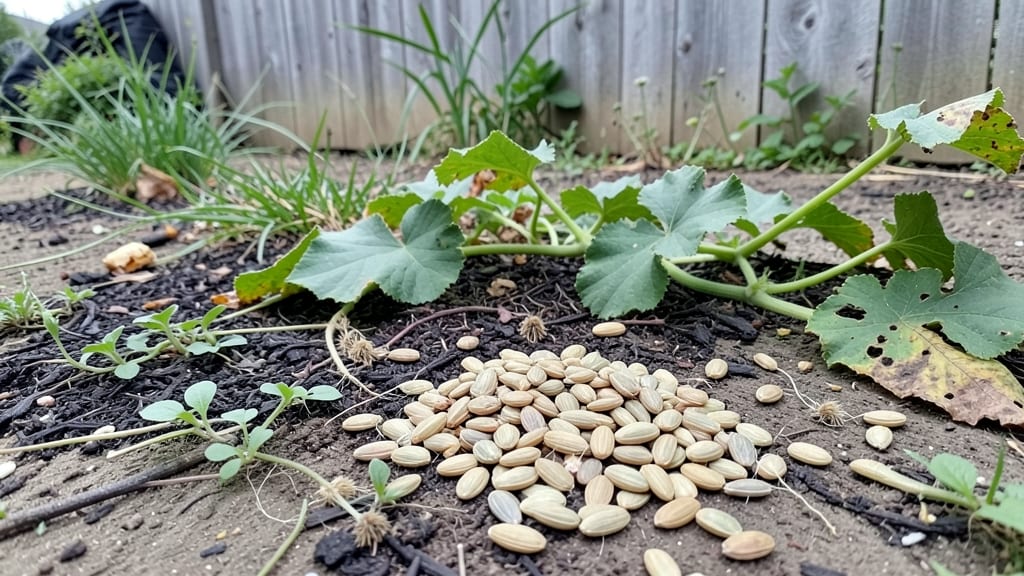
While raw pumpkin seeds provide valuable nutrients like magnesium and zinc, their outer shells can harbor trace amounts of cyanogenic glycosides—a natural compound that converts to cyanide when crushed or digested. 💫 The good news? Chickens metabolize tiny amounts safely, but excessive feeding risks digestive distress.
I always recommend starting with just a teaspoon per chicken weekly, monitoring their reaction before increasing portions. For extra safety, lightly roasting seeds first neutralizes any potential toxins while enhancing flavor.
If you're concerned about cyanide exposure, consider sunflower or flax seeds as safer alternatives—they offer similar protein benefits without the same risks. Just remember: variety is key in a balanced flock diet, and treats should never exceed 10% of their total food intake.
Always introduce new foods slowly to avoid upsetting their delicate stomachs.
💡 In This Article
- Pumpkin Seed Nutrition for Chickens: Benefits and Hidden Risks
- Best Ways to Serve Pumpkin Seeds to Chickens Safely
Pumpkin seed nutrition for chickens: benefits and hidden risks
Pumpkin seeds pack a nutritional punch for chickens, offering 25% protein by weight and essential minerals like magnesium (156mg per 100g) and zinc (3.2mg per 100g). These nutrients support feather health, bone development, and immune function—magnesium helps regulate muscle contractions, while zinc boosts their natural defenses.
The seeds also contain healthy fats (40% of their caloric content), providing sustained energy for active birds. 🔥
The outer seed coatings can contain trace amounts of cyanogenic glycosides, compounds that convert to cyanide when crushed or digested. While chickens metabolize small amounts safely, concentrations vary by seed variety—some pumpkin seeds contain up to 0.01% cyanide by weight in their outer layers.
This is why shelling seeds removes the riskiest part, leaving the nutrient-rich inner kernel. The conversion process requires enzymatic action in the bird's digestive system, which is why moderation is critical.
For context, a single chicken's safe threshold for cyanide is about 0.5mg per pound of body weight. A typical 5-pound chicken could handle up to 2.5mg of cyanide safely, but raw pumpkin seeds might contain 0.05-0.1mg per tablespoon of whole seeds.
This means even small amounts could become problematic if fed daily. The key is balance—think of pumpkin seeds as an occasional treat rather than a dietary staple. ✨
Here's what happens when chickens process these seeds: Their gizzard grinds the seeds into smaller particles, exposing the cyanogenic compounds to digestive enzymes. Normally, chickens have efficient detox pathways, but overloading their system with seeds (or any new food) can overwhelm these mechanisms.
Symptoms of excess cyanide exposure include rapid breathing, lethargy, or loss of coordination—signs that should prompt immediate removal of seeds from their diet. 💛
To put this in perspective, compare pumpkin seeds to other common chicken treats: Sunflower seeds contain no cyanogenic compounds but offer similar protein (21%), while flaxseeds provide omega-3s without any cyanide risk.
The trade-off with pumpkin seeds is their mineral density—magnesium and zinc are harder to find in other seed-based treats. This makes them valuable when used judiciously, but not essential for a balanced diet.
What most backyard chicken keepers don't realize is that the roasting process can reduce cyanide levels by up to 70% through heat degradation. Simply baking seeds at 350°F for 10 minutes makes them safer while enhancing their flavor.
This simple preparation step transforms a potentially risky treat into a nutritious addition to their diet. 🌟