
Companion Plants
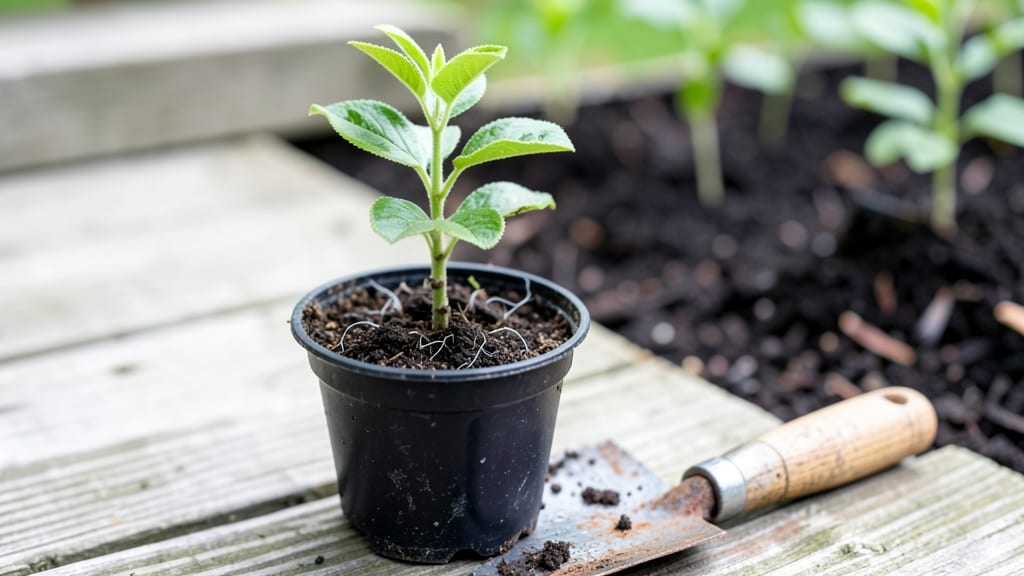
You can plant an apple seed to grow a tree, but the fruit will likely differ from the parent tree due to genetic variation. Success depends on proper seed selection, cold stratification, and patience—trees from seeds can take 5-10 years to bear fruit, if at all.
Growing an apple tree from seed is a fascinating experiment, but the fruit you end up with will almost never match the original tree. 🌱 This happens because apple trees are cross-pollinated, meaning seeds carry mixed genetics from multiple parent trees.
For consistent fruit quality, commercial orchards rely on grafting—where a desired variety is attached to a rootstock. Even if you succeed, your seedling might produce small, tart apples or even completely different varieties.
That said, the process itself is rewarding for gardeners who enjoy the challenge of nurturing something from scratch.
If you're determined to try, start with fresh seeds from a high-quality apple (avoid store-bought ones—they're often treated to prevent sprouting). After cleaning and drying the seeds, they need a 60-90 day cold stratification period to mimic winter conditions.
Plant them in well-draining soil and keep them moist but not soggy. Most seedlings will appear in 3-6 weeks, though growth can be slow. Patience is key—you might not see fruit for a decade or more, and even then, it may not be worth harvesting.
💡 In This Article
- Genetic Variation in Apple Trees From Seeds
- Step-by-Step Guide to Growing Apple Trees From Seeds
Genetic variation in apple trees from seeds
Apple trees grown from seed rarely produce fruit identical to their parent because of a process called cross-pollination. When bees or wind transfer pollen between different apple varieties, the resulting seeds carry a mix of genetic traits from multiple trees.
This creates what scientists call heterozygosity—a genetic diversity that makes each seedling unique.
For example, a seed from a Granny Smith apple might grow into a tree bearing fruit that's tart like the parent but with a completely different shape or color, like a cross between a Fuji and Gala. 🌟
The unpredictability goes deeper than just flavor. Seed-grown trees often exhibit variable disease resistance—some may thrive in your climate while others succumb to common apple pests like apple scab or codling moths.
Grafted trees, by contrast, are clones of a known parent variety, ensuring consistent fruit quality, size, and disease tolerance. Studies show that grafted trees produce fruit within 3-5 years, while seed-grown trees may take 8-12 years—if they ever fruit at all.
The genetic lottery means your seedling might grow into a weak, spindly tree or one that produces tiny, inedible apples.
Here's what's actually happening at the cellular level: Each apple seed contains an embryo formed from two parent trees' genetic material. During fertilization, pollen from one tree combines with ovules from another, creating a genetic blueprint that's entirely new.
This is why commercial orchards never rely on seeds—they use grafting, a technique where a scion (desired variety) is attached to a rootstock (hardy root system). The scion determines the fruit, while the rootstock provides stability and disease resistance. 🌱
Consider this comparison: A grafted Honeycrisp tree will produce sweet, crisp apples year after year, while a seedling from the same apple might grow into a tree bearing small, mealy fruit with a completely different flavor profile.
The genetic variation also affects tree structure—seedlings can grow into standard trees (12-20 feet tall) or dwarf varieties (6-8 feet), making them unpredictable for home orchards. Even if your seedling does produce edible fruit, it may require 10+ years to mature, compared to 3-5 years for grafted trees.
What most people don't realize is that even the seed's environment during development can influence the resulting tree. Seeds from apples grown in different climates may produce seedlings with varying cold hardiness.
For instance, a seed from a Northern Spy apple (hardy to Zone 3) might grow into a tree that's more sensitive to frost than its parent. This environmental imprinting adds another layer of unpredictability to seed-grown apple trees. 💫
For gardeners who enjoy the thrill of experimentation, seed-grown apple trees offer a chance to discover new varieties—but they're not a reliable source of fruit. If you're aiming for a productive orchard, grafting is the only way to ensure consistency.
That said, the genetic diversity of seed-grown trees can lead to exciting surprises, like a new hybrid variety that thrives in your specific growing conditions. Just don't expect it to taste like the apple you started with!