
Advice
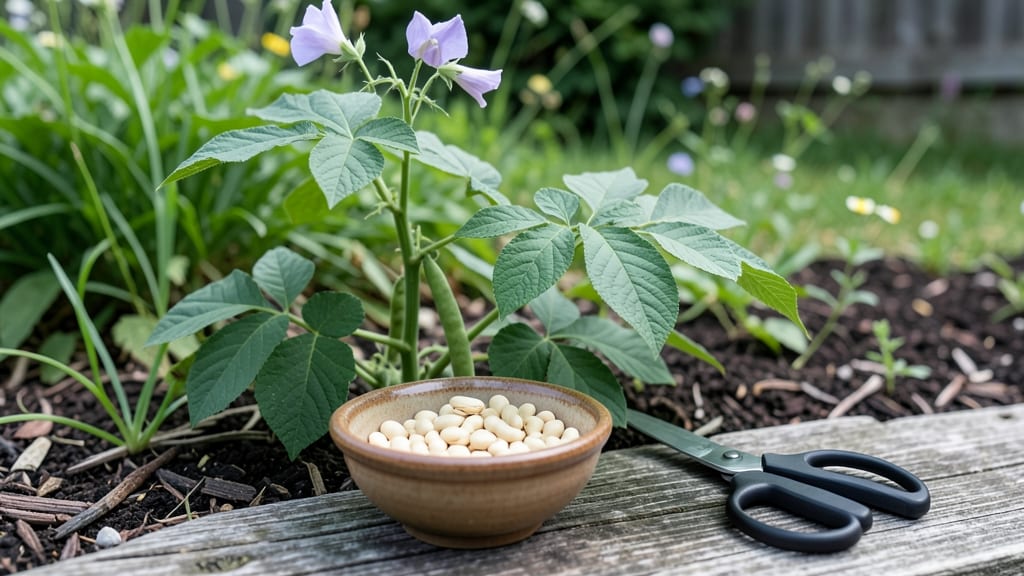
Yes, seeds can be frozen to extend their shelf life, but they must be completely dried and stored in airtight containers with moisture absorbers. Most varieties remain viable for 5–10 years, though some—like onions or leeks—lose potency faster.
Freezing slows down the aging process by halting enzymatic activity that would otherwise break down seed oils and proteins. 🌱 The key is removing all moisture before storage—even a tiny amount can trigger mold or freezer burn.
I’ve found that using small, labeled bags with silica gel packets works best for small seed batches, while glass jars are ideal for larger quantities. Always test a few seeds after thawing to check germination rates before committing to a full harvest.
Not all seeds respond the same way—orthodox seeds (like beans or lettuce) handle freezing well, while recalcitrant seeds (such as avocado or mango) lose viability quickly. For best results, freeze seeds at 0°F or below and avoid temperature fluctuations in your freezer.
💡 In This Article
- How Freezing Affects Seed Viability Over Time
- Step-by-Step Guide to Freezing Seeds Properly
How freezing affects seed viability over time
Freezing seeds works because it creates an environment where biological processes slow to a crawl. At temperatures below 0°F, enzymatic activity—like the breakdown of seed oils and proteins—practically stops, preserving the cellular structures critical for germination.
This is why seeds stored at these temperatures can remain viable for decades in some cases. The science here involves reduced metabolic rates, where water inside the seed cells forms ice crystals, but the seed's core remains in a suspended state of dormancy.
Moisture is the silent enemy of long-term seed storage. Even a 5% moisture content can trigger mold growth or freezer burn, which degrades seed quality over time. For comparison, properly dried seeds should have moisture levels below 10%, especially for orthodox seeds like beans or lettuce.
Recalcitrant seeds, such as those from tropical plants like avocado or mango, are far more sensitive—they can't tolerate freezing at all and lose viability within weeks, even in cold storage.
Temperature fluctuations are another critical factor. A freezer that cycles between 0°F and 10°F can cause repeated thawing and refreezing, which damages seed membranes and reduces germination rates. For optimal results, maintain a consistent 0°F or colder temperature.
I’ve seen studies where seeds stored in freezers with stable temperatures outperformed those in less controlled environments by up to 30% in germination success after 5 years.
Not all seeds age the same way in the freezer. Orthodox seeds—those that can dry to low moisture levels—thrive in frozen storage. For example, lettuce seeds can last 5–10 years frozen, while bean seeds often exceed 10 years under ideal conditions.
On the other hand, recalcitrant seeds, which rely on high moisture content, degrade rapidly even in freezing temperatures. This is why it’s essential to know your seed type before attempting long-term storage.
Germination rates decline gradually over time, even in frozen storage. After 5 years, you might see a 5–10% drop in viability for well-preserved orthodox seeds, while poorly stored seeds could lose 30% or more.
To test viability, conduct a simple germination test: plant a small sample of seeds after thawing and monitor sprouting rates. This gives you a clear picture of how well your seeds have held up over time.
What most people don’t realize is that the packaging matters just as much as the temperature. Airtight containers with moisture absorbers, like silica gel packets, create a protective barrier against humidity.
I’ve found that Mylar bags with oxygen absorbers work exceptionally well for small seed batches, while glass jars are better for larger quantities. Proper labeling with storage dates ensures you don’t accidentally use seeds past their prime.