
Advice
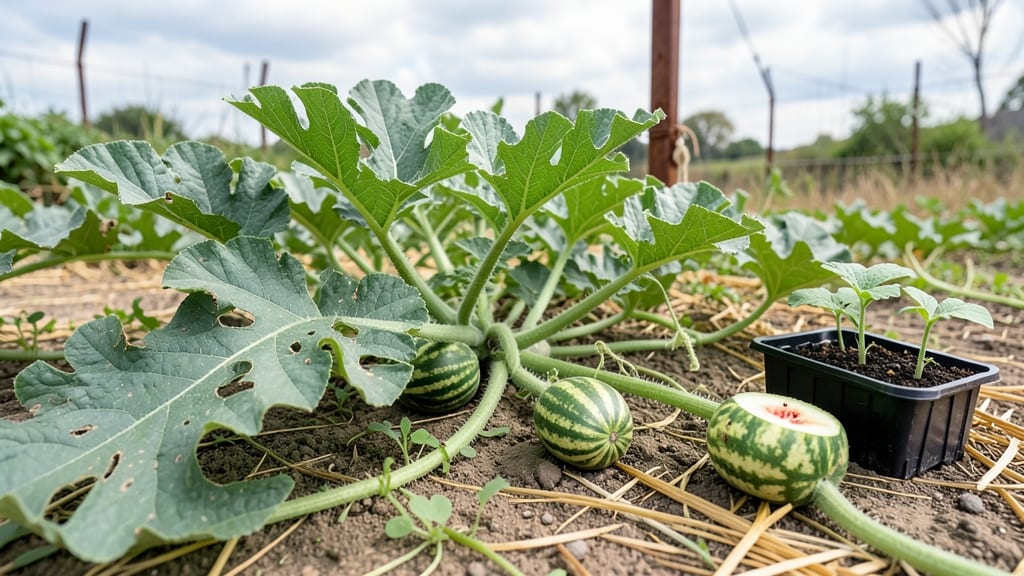
Yes, you can grow watermelon from watermelon seeds, and the process yields vigorous plants—though store-bought seeds often produce hybrid varieties. For reliable results, save seeds from heirloom watermelons, plant them 1/2-inch deep in warm soil after the last frost, and provide full sun exposure for optimal growth and fruit development.
Watermelon seeds are surprisingly resilient, with germination rates as high as 90% when planted under ideal conditions. 🌱 The key lies in soil temperature—seeds need warmth (at least 70°F) to sprout consistently, which is why waiting until after frost is critical.
I’ve found that pre-soaking seeds overnight in lukewarm water can jumpstart germination by 2-3 days, especially in cooler climates. Heirloom varieties also offer the bonus of true-to-type fruit, meaning the watermelons you grow will closely resemble their parent plants in flavor and size.
Once sprouted, watermelon seedlings thrive with 6-8 hours of direct sunlight daily, but they’re surprisingly adaptable to different growing spaces—whether that’s a backyard plot, raised bed, or even large containers. The real secret to success?
Patience. Watermelons take 70-90 days from seed to harvest, so starting seeds indoors 2-3 weeks before the last frost can give them a head start in shorter growing seasons.
💡 In This Article
- Watermelon Seed Germination Science and Conditions
- Best Practices for Planting and Caring for Watermelon Seeds
Watermelon seed germination science and conditions
Watermelon seeds thrive when three critical factors align: warmth, moisture, and proper soil chemistry. The science starts with the seed's embryo, which requires soil temperatures above 70°F to activate enzymes that break down stored nutrients. Below 60°F, germination can stall for weeks—or fail entirely.
This is why gardeners in cooler climates often use black plastic mulch to raise soil temperature by 5-10°F within days. The seed's outer coat also needs consistent moisture to soften, allowing the radicle (root) to emerge—a process that typically takes 5-10 days under ideal conditions. 🔥
Soil pH plays an unexpected but crucial role. Watermelons prefer slightly acidic to neutral soil (pH 6.0-7.0), where nutrients like phosphorus (essential for root development) become more available. In alkaline soils (pH 7.5+), phosphorus binds tightly to soil particles, starving young seedlings.
A simple soil test before planting can prevent stunted growth. The ideal planting depth of 1/2-inch balances protection from drying winds while ensuring the seedling can push through the soil surface without resistance. Too deep, and the seedling may exhaust its energy reserves before reaching light.
Light exposure becomes critical at the cotyledon stage (when the first true leaves appear). Watermelon seedlings contain chlorophyll that converts sunlight into energy through photosynthesis, but they're sensitive to shade. Even partial shade can cause etiolation—where stems grow weak and leggy as they stretch toward light.
This is why gardeners often use reflective mulches or plant near light-colored surfaces to maximize early sunlight exposure. In my experience, seedlings grown under grow lights for the first 10-14 days develop stronger stems and larger leaves, giving them a competitive edge against weeds. ✨
Here's why heirloom seeds outperform hybrids for home gardeners: hybrid seeds result from cross-pollination between two parent plants to create specific traits (like disease resistance or uniform size), but their genetic diversity is limited.
This means each seed produces nearly identical plants—great for commercial farms but less exciting for gardeners who want variety. Heirloom seeds, however, carry generational diversity, meaning each seed has the potential to produce unique plants with different flavors, shapes, and growth patterns.
For example, saving seeds from a Moon and Stars watermelon might yield everything from classic striped fruits to rare white-fleshed varieties in subsequent years. This genetic variability also strengthens the plant's resilience against local pests and diseases.
One common misconception is that all watermelon seeds are viable for planting. In reality, only fully mature seeds from heirloom varieties will germinate reliably. Hybrid seeds often produce sterile or low-quality fruit when saved, while store-bought seeds may carry fumigation treatments that inhibit germination.
To test seed viability at home, fill a glass with water and drop in 10 seeds. After 24 hours, count how many sink (viable) versus float (non-viable)—typically 80-90% of healthy seeds will sink. This simple test can save hours of waiting for seeds that might never sprout. 💫
The germination process itself is a fascinating chemical reaction. When moisture penetrates the seed coat, it triggers the release of gibberellins—plant hormones that signal the embryo to grow. These hormones break down starches into sugars, providing the energy needed for root and shoot development.
The entire process relies on a delicate balance: too much water can cause seeds to rot, while too little prevents enzyme activation. This is why many gardeners use seed-starting mixes that retain moisture without becoming waterlogged—a critical detail for container gardening where drainage is limited.
For gardeners in regions with short growing seasons, understanding these biological requirements can mean the difference between success and failure.
For instance, in Zone 5 climates, planting seeds indoors under grow lights at 75°F and transplanting after soil warms to 70°F can extend the harvest window by 2-3 weeks. The key takeaway?
Watermelon seeds aren't just planting material—they're living organisms with specific needs that reward careful attention to detail. When you meet those needs, you're not just growing a plant; you're nurturing a complex biological system that will eventually produce those sweet, juicy fruits we all love. 🌱