
Trees
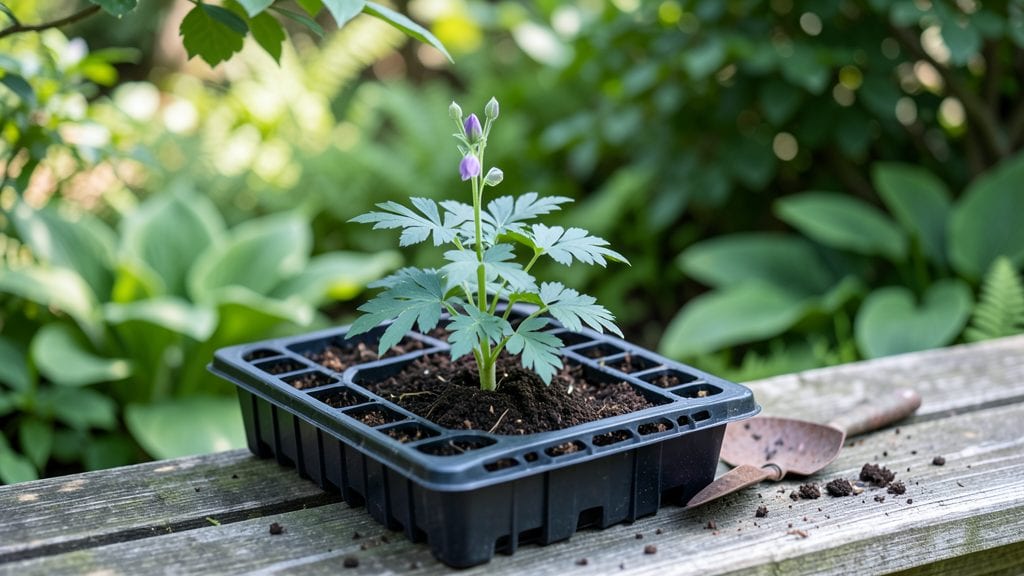
The identification of a columbine seedling starts with those first leaves—deep green, lobed like tiny maples, and growing in pairs along the stem. 🌱 I’ve spent years watching them pop up in my shade garden, and those early clues are what separate them from weeds or other seedlings.
The key is catching them before they get crowded out by grass or volunteer plants.
The real game-changer is the way they grow: columbine seedlings have a slightly fuzzy texture on the underside of leaves, and their stems are slender but sturdy. Most weeds or other wildflowers either have smooth leaves or grow in clusters.
Once you spot these details, you’ll never confuse them again—especially when they’re still small and vulnerable.
Transplanting them at this stage is easier than you’d think. Just dig a shallow hole, keep the soil moist, and give them a spot with partial shade.
Within weeks, you’ll see those signature bell-shaped blooms forming, proving you’ve got the real deal. The payoff? A garden full of hummingbirds and butterflies next summer.
This works for both container-grown seedlings and those popping up in garden beds. The trick is acting fast—once they’re a few inches tall, they’re tougher to move without stress. Now, let’s get those seedlings thriving!
What Triggers Misidentification
Identifying columbine seedlings can be tricky, especially for beginners, because several factors conspire to make them look like other plants. Understanding these causes helps you spot the real deal—and avoid planting the wrong thing in your garden. Here’s why mistakes happen, broken down by the most common culprits.
Columbine seedlings (Aquilegia spp.) share leaf shapes and textures with other native wildflowers and even some weeds. Their delicate, lobed leaves resemble those of bleeding heart (Dicentra spectabilis), larkspur (Delphinium spp.), or even foxtail grass (Alopecurus spp.) in their early stages.
Why does this happen?
- Evolutionary mimicry: Many plants in the Ranunculaceae family (which includes columbines) evolved similar leaf structures to deter herbivores or attract pollinators. Their lobed, fern-like leaves are a survival trait, not a unique identifier.
- Juvenile vs. mature confusion: Young columbine seedlings often have simple leaves (unlobed) that later develop the classic palmate or ternate lobes. If you’re checking too early, you might miss the defining traits.
- Light and soil stress: Poor growing conditions can stunt columbine leaves, making them smaller and less distinct. A seedling in shade might look like a virgin’s bower (Clematis virginiana) sapling, while one in full sun could resemble butterfly weed (Asclepias tuberosa).
💡 Pro Tip: Wait until seedlings have 2–3 sets of true leaves (not just the initial seed leaves) before identifying. Use a magnifying glass to check for hairy stems and blue-green veins, which are columbine hallmarks.
Columbine seedlings don’t always sport the vibrant blue-green or grayish hue you’d expect. Their color shifts based on age, sunlight, and even the specific species. This inconsistency is a major source of misidentification.
| Stage | Typical Color | Why It Changes | Common Look-Alikes |
|---|---|---|---|
| Seedling (1–2 weeks) | Bright green to yellowish | High chlorophyll production in low-light conditions; resembles mustard greens or cress. | Wild radish (Raphanus raphanistrum), shepherd’s purse (Capsella bursa-pastoris) |
| Established (3–6 weeks) | Blue-green with grayish undersides | Adaptation to reduce water loss; stems develop a fuzzy texture. | Lungwort (Pulmonaria officinalis), some heuchera varieties |
| Stressed/Shady Conditions | Pale green to reddish-purple | Anthocyanin buildup (a natural sunscreen pigment) in low light. | Red vein sorrel (Rumex sanguineus), certain hebe shrubs |
🔍 Actionable Fix: Compare seedlings side by side with a columbine reference chart (available from local nurseries or extension offices). Note the leaf arrangement—columbines grow in a whorled pattern (multiple leaves at a single node), while many imposters have alternate or opposite leaves.
Columbine seedlings are vulnerable to pests and pathogens, which can alter their appearance enough to fool even experienced gardeners. Slugs, aphids, and fungal infections often leave telltale signs that mimic other plants’ natural traits.
- Slug and snail feeding:
- Leaves develop irregular holes or silver trails (slime).
- Mistaken for cabbage moth damage or deer browsing.
- Aphid infestations:
- Leaves curl or develop sticky honeydew, turning them yellowish.
- Resembles powdery mildew or nutrient deficiency.
- Fungal leaf spot:
- Dark brown spots with yellow halos appear, mimicking rust diseases in other plants.
- Can be confused with damping-off in seedlings.
🛡️ Prevention Tip: Inspect seedlings under a hand lens for tiny insects or spore patterns. Healthy columbine leaves should be glossy and uniformly colored—any deviation could signal trouble.
Columbine seedlings thrive in partial shade and moist, well-drained soil—but push them outside these conditions, and their true form becomes obscured. Heat, drought, or compacted soil can stunt growth, making identification nearly impossible.
| Stressor | Effect on Seedlings | Misidentified As |
|---|---|---|
| Full sun exposure | Leaves scorch (brown edges), stems elongate weakly. | Stressed larkspur or delphinium seedlings |
| Waterlogged soil | Yellowing leaves, stunted roots, mushy stems. | Damping-off victims or buttercup (Ranunculus) seedlings |
| Compacted soil | Leaves turn purple-red, growth halts. | Red vein sorrel or heuchera in distress |
🌡️ Quick Test: Gently tug a seedling—columbines have delicate, fibrous roots. If roots are thick and woody, it’s likely a weed like creeping Charlie (Glechoma hederacea).
Not all columbines look alike! Hybrid varieties and wild species can have dramatically different leaf shapes, colors, and growth habits. For example:
- Blue Columbine (Aquilegia caerulea): Narrower lobes, darker green.
- Golden Columbine (Aquilegia chrysantha): Broader, more rounded leaves.
- Crimson Columbine (Aquilegia formosa)
Quick Fixes for Seedling Confusion
Identifying columbine seedlings can feel like solving a puzzle—especially when similar-looking plants throw you off! But with the right steps, you can confidently distinguish them from lookalikes and nurture healthy growth. Below, we break down common issues and practical solutions to ensure your columbine seedlings thrive.
---
Cause: Young columbine seedlings often resemble other perennials (like bleeding heart or lungwort) in their early stages, leading to confusion.
Fix: - 📏 Compare leaf structures closely: Columbine leaves are palmately lobed (3-5 rounded lobes) with a hairy texture. Look for these key traits under good lighting. - 🌱 Check the growth pattern: Columbine seedlings grow in a basal rosette (leaves radiating from the ground). If the plant has alternate leaves (like bleeding heart), it’s not a columbine. - 🎨 Observe color cues: True columbine seedlings have blue-green or grayish leaves with a slightly fuzzy appearance. Bright green or glossy leaves may signal an imposter.
Prevention Tip: 💡 Take reference photos of mature columbine plants in your garden and compare them to seedlings. This helps train your eye for future identifications!
---
Cause: Poor soil, overwatering, or incorrect placement can stunt growth or cause seedlings to wilt.
Fix: - 💧 Water wisely: Columbine seedlings prefer well-draining soil but need consistent moisture. Water at the base (not overhead) to prevent fungal issues. Aim for 1 inch of water per week, adjusting for rain. - ☀️ Provide partial shade: Young seedlings can scorch in direct sun. Place them in a spot with morning sun and afternoon shade until established (about 3-4 weeks). - 🌿 Use mulch: Apply a 1-inch layer of organic mulch (like shredded bark) to retain moisture and regulate soil temperature.
Prevention Tip: ✨ Test your soil’s pH (columbine prefers 6.0–7.5). Amend with compost if needed—healthy soil = happier seedlings!
---
Cause: Aphids, slugs, or powdery mildew can target vulnerable seedlings, especially in humid conditions.
Fix: - 🐜 For aphids/slugs: - Manual removal: Gently wipe off aphids with a soapy water spray (1 tsp mild soap per quart of water). Place beer traps (shallow dishes of beer) for slugs. - Natural deterrents: Sprinkle diatomaceous earth around seedlings (reapply after rain). - 🍄 For powdery mildew: - Improve airflow: Space seedlings 6–12 inches apart to reduce humidity. - Fungal spray: Mix 1 tsp baking soda + 1 quart water + a drop of soap, then spray on leaves (test on a few leaves first).
Prevention Tip: 🌡️ Avoid overhead watering at dusk—this encourages fungal growth. Water early in the day instead.
Cause: Planting seedlings too close together or near aggressive weeds can stunt their growth.
Fix: - 📏 Thin seedlings early: Once seedlings have 2–3 sets of true leaves, thin them to 12–18 inches apart to reduce competition. - 🌱 Remove weeds: Pull weeds within a 6-inch radius of seedlings to prevent nutrient theft. - 🌿 Stake if needed: If seedlings flop (common in windy areas), use soft plant ties to support them until roots strengthen.
Prevention Tip: 🎯 Plan spacing from day one! Group columbine seedlings in clusters of 3–5 for a natural, fuller look—just like their wild counterparts.
Cause: Seeds may not sprout due to old seeds, improper planting depth, or temperature issues.
Fix: - 🌱 Replant fresh seeds: Columbine seeds lose viability quickly. If older than 1 year, start fresh. - 🔥 Stratify seeds (if needed): Some columbine varieties need cold treatment (place seeds in moist sand in the fridge for 4–6 weeks before planting). - 🌡️ Check soil temp: Seeds germinate best in 60–70°F soil. Use a seedling heat mat if your climate is too cool.
Prevention Tip: 💡 Label seed packets with planting dates—this helps track freshness and germination windows!
- 🔍 Use a magnifying glass for close-up leaf inspections—it’s a gardener’s secret weapon! - 📸 Snap progress photos weekly to track growth and spot issues early. - 🌿 Rotate plants occasionally to ensure even sunlight exposure as they mature.
By addressing these common pitfalls head-on, your columbine seedlings will go from "mystery greens" to showstopping perennials in no time. Happy gardening! 🌸
Frequently asked questions
1What’s the fastest way to tell if a tiny seedling is a columbine?
Look for hairy stems and lobed leaves with 3-5 rounded sections. Columbine seedlings also grow in a whorled pattern (multiple leaves at one node), unlike weeds that grow in alternate arrangements. Check the underside of leaves—columbines have a fuzzy texture.
2Can I transplant columbine seedlings if they’re only 1-2 inches tall?
Yes, but handle them gently! Use a small trowel to dig a shallow hole, keeping roots intact. Water thoroughly after transplanting and place in partial shade for 1-2 weeks to reduce stress. Avoid moving seedlings in extreme heat or cold.
3Why do my columbine seedlings look like weeds?
Young seedlings often resemble bleeding heart or larkspur because their first leaves are simple (unlobed). Wait until they develop 2-3 sets of true leaves—then the classic palmate lobes and fuzzy texture become obvious. Compare side-by-side with mature columbine plants.
4How do I protect seedlings from pests like slugs?
Place beer traps (shallow dishes of beer) near seedlings or sprinkle diatomaceous earth around the base. For aphids, spray with soapy water (1 tsp mild soap per quart). Always water at the base—not overhead—to prevent fungal issues that attract pests.
5Do all columbine seedlings have the same leaf shape?
No! Varieties like Blue Columbine have narrower lobes, while Golden Columbine leaves are broader. Check the vein pattern—columbines have prominent blue-green veins. If leaves are smooth and glossy, it’s likely a lookalike like heuchera or lungwort.