
Trees
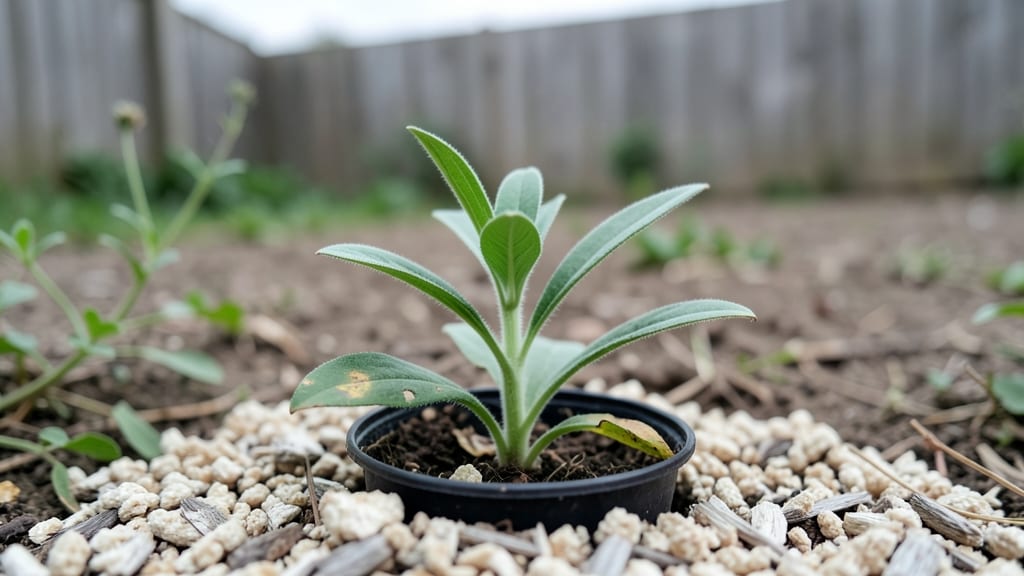
Mastering coneflower seedling identification can spare you the heartbreak of uprooting future pollinator magnets—like purple coneflower (Echinacea)—by mistake. 🌻 I’ve yanked more ‘weeds’ than I’d like to admit—until I learned the telltale signs that separate it from its lookalike, Black-Eyed Susan (Rudbeckia).
The difference starts with those first leaves: coneflowers unfurl in a smooth, oval shape with serrated edges, while Black-Eyed Susans show up with jagged, almost lobed leaves that look like they’ve been nibbled by caterpillars. One wrong snip, and you’ve just lost a plant that’ll feed bees for years.
The real giveaway comes in the second set of leaves, when coneflowers develop a slightly fuzzy texture and a deeper purple vein pattern—almost like a tiny map of their adult blooms.
Black-Eyed Susans, meanwhile, stay smoother and greener, with a more rounded shape that’s hard to mistake once you’ve seen it. Grab a magnifying glass if you’re unsure; the leaf veins are your secret weapon.
I keep a small notebook by my seed trays just to jot down these details before they get crowded out by weeds.
Once you’ve confirmed your seedlings, the next step is simple: give them space. Coneflowers hate competition, so thin them to 6 inches apart within their first month. The roots will anchor deep, and by summer, you’ll be rewarded with those iconic daisy-like blooms that hummingbirds can’t resist.
The key is patience—these seedlings grow slow at first, but they’re building strength for a three-year showstopper of a plant. No shortcuts here, just steady care.
If you’re still unsure, snap a photo and compare it to a side-by-side guide—most nurseries or gardening blogs have them. The worst mistake you can make is assuming a seedling is a weed; coneflowers are stubborn survivors, and even a ‘failed’ one might bounce back with the right attention.
Now go check those trays—your future garden’s superstars are hiding in plain sight."
📚 In This Guide
- What you need
- Instructions
- Tips and common mistakes
- Wrapping up and next steps
What you need
- ● Magnifying glass or hand lens – For closely inspecting leaf shapes, stem details, and flower buds (1x, 5x–10x magnification recommended).
- ● Ruler or measuring tape – To measure seedling height and leaf dimensions (12-inch tape measure or 6-inch ruler).
- ● Field guide or printed reference sheet – For comparing coneflower seedlings with Echinacea purpurea (purple coneflower) and Rudbeckia hirta (black-eyed Susan) traits.
- ● Notebook or digital device – To record observations like leaf color, stem texture, and growth patterns.
- ○ Gloves (optional but recommended) – To protect your hands while handling seedlings or soil (nitrile or garden gloves).
- ● Water spray bottle – For gently misting seedlings to highlight details (8–16 oz spray bottle).
- ● Camera or smartphone – To capture close-ups of seedlings for later comparison.
- ● Potting soil or seedling trays – If you’re transplanting or nurturing identified seedlings (2–4 inch pots or seedling flats).
- ● pH testing kit – To check soil conditions if seedlings appear stressed (affects growth patterns).
- ● Labeling tags – For marking identified seedlings in your garden (waterproof tags recommended).
Step-by-Step guide to identifying coneflower seedlings
Here's how to tell purple coneflower from black-eyed Susan before they bloom—key differences that matter for your garden.
🌱 Step 1: Examine Leaf Shape and Arrangement
Start by looking at the first true leaves—these are your best clues. Purple coneflower seedlings have lance-shaped leaves that grow in a whorled pattern (three or more leaves at a single node). The edges are slightly serrated, almost like tiny teeth along the leaf margin. Black-eyed Susan seedlings, on the other hand, have oval-shaped leaves with a more rounded tip and a toothed edge that’s less pronounced.
Run your fingers along the leaf edges—coneflower leaves feel slightly rougher due to those fine serrations. If you see three leaves clustered together at the base, that’s a strong sign it’s a coneflower. Black-eyed Susan leaves grow more alternately along the stem, spaced farther apart.
🌿 Step 2: Check Stem and Growth Habit
Look at the stem’s thickness and how the plant grows. Coneflower seedlings have a thicker, sturdier stem right from the start, often with a slight reddish tint near the base. The stem feels firm to the touch, almost woody even at this early stage. Black-eyed Susan stems are slender and green, sometimes with a slight hairiness if you look closely.
Observe how the plant leans. Coneflower seedlings tend to grow upright and sturdy, while black-eyed Susan seedlings might lean slightly toward light sources. If you see a seedling that’s already stretching or bending, it’s more likely a black-eyed Susan—these plants are less robust when young.
☀️ Step 3: Observe Early Flower Bud Formation
Once seedlings reach about 4-6 inches tall, check for tiny buds forming at the stem’s base. Coneflower buds appear as small, rounded bumps that feel slightly fuzzy. They’re usually closer to the ground and may have a faint purple hue even before blooming. Black-eyed Susan buds, however, form higher up the stem and look more pointed, almost like tiny cones.
If you spot a bud that’s already showing a hint of color (even if it’s just a faint blush), it’s almost certainly a coneflower. Black-eyed Susan buds stay green longer and only develop their signature yellow petals much later in the season.
✂️ Step 4: Compare Root Development
Gently dig up a seedling to examine its roots—this is the final test. Coneflower roots are deep and tapered, often with a slightly woody texture even in young plants. The roots grow downward quickly, which is why coneflowers thrive in well-drained soil. Black-eyed Susan roots, meanwhile, are shallower and more fibrous, spreading out horizontally rather than diving deep.
If you notice roots that branch out widely near the surface, it’s a black-eyed Susan. Coneflower roots will have a single dominant taproot with smaller lateral roots branching off. This difference explains why coneflowers handle drought better—they access water deeper underground.
🔍 Step 5: Verify with a Simple Test
Wait until seedlings are 3-4 weeks old, then gently pinch off a leaf. Coneflower leaves release a slightly bitter, earthy scent when crushed, while black-eyed Susan leaves have a milder, almost sweet aroma. This isn’t foolproof, but it’s a quick way to double-check if you’re still unsure.
Take a photo of your seedlings at this stage—comparing them side by side with mature plants later will help you confirm your ID. Coneflowers will develop darker, deeper green leaves as they mature, while black-eyed Susans stay a brighter, lighter green throughout their growth.
Tips & tricks for perfect coneflower seedling identification
These practical tips will help you confidently distinguish between coneflower and black-eyed Susan seedlings—even when they look similar at first glance.
The Leaf Edge Test: In Step 1, when examining leaf edges, focus on the texture difference. Coneflower leaves feel slightly rough due to their fine serrations, while black-eyed Susan leaves have smoother, more rounded edges. Run your fingers along both types to train your sense of touch—this tactile difference becomes more obvious with practice.
Stem Thickness Matters: During Step 2, pay special attention to stem thickness. Coneflower stems feel almost woody right from the start, while black-eyed Susan stems remain slender and green. This physical difference is your most reliable indicator when other characteristics are ambiguous.
Bud Location Clues: When checking for early flower buds in Step 3, remember that coneflower buds form closer to the ground and may show faint coloration earlier. Black-eyed Susan buds stay higher up and remain green longer. This subtle difference can help you identify seedlings even before they reach the 4-6 inch height mentioned.
Root Examination Strategy: For Step 4's root test, use a small hand trowel to carefully lift seedlings without damaging the roots. If you notice a single dominant taproot with smaller lateral branches, it's definitely a coneflower. The shallow, fibrous roots of black-eyed Susan will spread out horizontally—this visual difference is dramatic once you see it side by side.
Pro Tips for Coneflower Seedling Identification
- These practical tips will help you confidently distinguish between coneflower and black-eyed Susan seedlings—even when they look similar at first glance.
- The Leaf Edge Test: In Step 1, when examining leaf edges, focus on the texture difference.
- Stem Thickness Matters: During Step 2, pay special attention to stem thickness.
Frequently asked questions
Got questions about spotting those tiny coneflower seedlings? You’re not alone! Here are some of the most common queries gardeners have when trying to identify their young plants—plus quick answers to keep your garden thriving.
How do I tell the difference between a purple coneflower (Echinacea) seedling and a Black-Eyed Susan (Rudbeckia) seedling?
Look for leaf shape and arrangement. Purple coneflower seedlings have lance-shaped, slightly hairy leaves growing in a basal rosette. Black-Eyed Susan seedlings, on the other hand, have toothed, oval leaves with a more alternate pattern. Check the stems too—Echinacea’s are often reddish or purple-tinged.
When is the best time to transplant coneflower seedlings if I’m not sure what they are?
Transplant after the first true leaves appear (usually 4–6 weeks after sowing) but before they flower (late spring to early summer). If you’re unsure, wait until they’re at least 3–4 inches tall—this gives you time to observe leaf patterns and growth habits. Pro tip: Water seedlings well the day before transplanting for easier handling!
What should I do if my seedlings look healthy but aren’t growing?
Slow growth often means insufficient light, overcrowding, or poor soil. Check these first:
- Light: Move seedlings to a sunny spot (6+ hours of light daily).
- Space: Thin seedlings to 12–18 inches apart to reduce competition.
- Soil: Amend with compost for nutrients. Coneflowers prefer well-draining, slightly acidic soil (pH 6.0–7.0).
If pests (like aphids) are present, spray with neem oil.
Can I grow coneflowers from store-bought seeds, or do I need to collect them myself?
Store-bought seeds are perfectly fine—just choose heirloom or open-pollinated varieties for consistent results. If you want to collect seeds from your garden, wait until the flower heads turn brown and papery (late summer/fall). Remove the dried heads, shake out seeds, and store them in a cool, dry place for up to a year.
Why do some of my seedlings have weird spots or holes?
Those are likely pest damage! Common culprits include:
- Slugs/snails: Leave slimy trails and ragged holes.
- Caterpillars: Chew irregular patterns (check undersides of leaves).
- Fungal issues: Yellow/brown spots may signal powdery mildew (treat with baking soda spray).
Handpick pests early or use row covers for prevention. Pro tip: A mix of diatomaceous earth and neem oil works wonders!
Wrapping up and next steps
Identifying coneflower seedlings—whether they’re purple coneflower (Echinacea purpurea) or black-eyed Susan (Rudbeckia hirta)—just takes a little patience and attention to detail! 🌱 By focusing on leaf shape, growth patterns, and early flower buds, you’ll master the art of spotting these beauties before they bloom.
Now that you’re armed with the know-how, why not put it into action?
Your next step? Grab those gardening gloves and head outside! Start by examining your seedlings closely—you might just uncover a hidden treasure in your garden. Happy growing! 🌸