
Trees
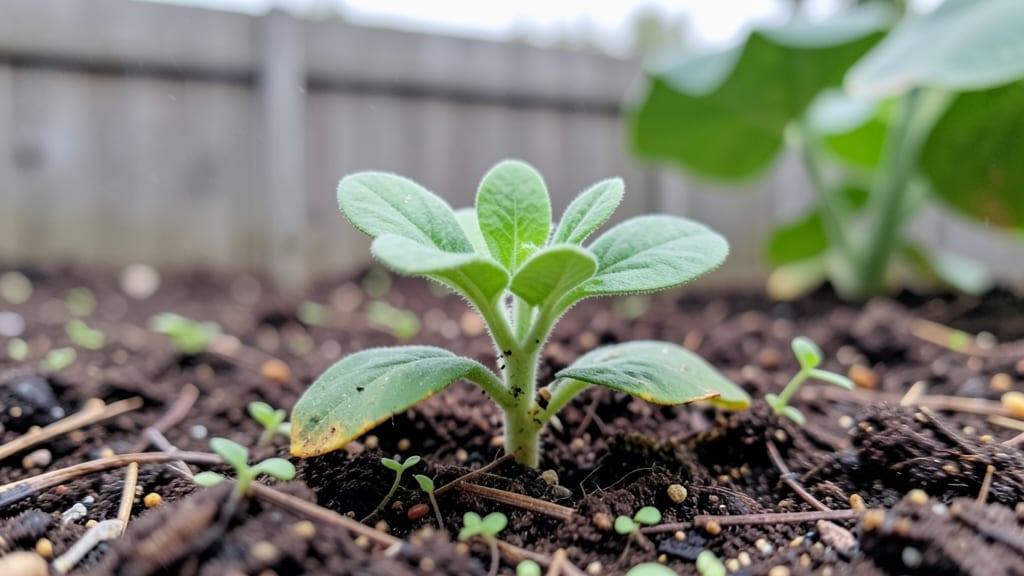
Mastering calendula seedling identification early keeps weeds from stealing your patch—look for those tiny, rounded leaves with slightly serrated edges, so different from the jagged weeds nearby. ✨ I’ve pulled up what I thought were calendula only to find dandelion sprouts masquerading as them.
Look closer: true calendula seedlings have a bright golden-green hue, while weeds often appear duller or more yellowed. They also grow in clusters, with the strongest sprout emerging slightly ahead of its siblings.
My first batch grew so fast that by week three, they were already forming their iconic marigold-like blooms.
Once you spot them, give them space—thin seedlings to 3 inches apart to prevent competition. A gentle pinch with your fingers works better than tugging, which can damage delicate roots. These little golden warriors will reward you with bold orange and yellow blooms by midsummer.
Pro tip: If your seedlings look leggy, they need more light. Move them to a sunny windowsill or under a grow light immediately—they’ll stretch toward the light if left in shade. Trust me, those first blooms make the effort worth it.
Misidentifying Seedlings Explained
When it comes to calendula seedling identification, confusion often arises from a mix of natural growth patterns, environmental factors, and even human error. Understanding the root causes—literally and figuratively—can help gardeners and plant enthusiasts spot seedlings correctly the first time.
Below, we break down the most common reasons why calendula seedlings might be mistaken for other plants or why their identification becomes tricky.
Calendula seedlings share striking similarities with other plants in the Asteraceae family, like marigolds or zinnia. Their early-stage leaves are often small, rounded, and slightly lobed, which can easily be confused with:
- Marigolds (Tagetes spp.): Both calendula and marigold seedlings have jagged, serrated edges, but marigold leaves tend to be more deeply lobed and slightly hairier. Calendula leaves, in contrast, are softer and smoother with a distinctive pale green or grayish hue.
- Zinnia seedlings: These start with oval, smooth-edged leaves that can resemble calendula’s early growth. However, zinnia seedlings lack the slightly fuzzy texture and blue-green tint that calendula often exhibits.
- Dandelion (Taraxacum): Young dandelion leaves are deeply toothed and elongated, while calendula leaves are broader, more rounded, and less spiky.
Why it happens: The Asteraceae family’s shared leaf structures create a "visual overlap" in early growth stages. Without close inspection, the subtle differences—like leaf texture, color, and growth pattern—can be overlooked. Pro tip: 🔍 Examine the underside of the leaves—calendula leaves often have a slightly waxy coating, while marigolds and zinnias may appear more velvety.
Seedlings that haven’t reached their true leaf stage (the second set of leaves after the initial cotyledons) can be nearly impossible to identify accurately. Calendula’s cotyledons (seed leaves) are round, smooth, and pale yellow-green, but they closely resemble those of:
- Sunflowers (Helianthus)
- Even some tomato seedlings
Why it happens: Cotyledons are not species-specific—they’re a universal feature of dicot seedlings (plants with two seed leaves). Calendula’s true leaves (the ones that appear after the cotyledons) are where identification gets easier, but if you’re harvesting or thinning too early, you might pull out seedlings before they’ve had a chance to develop.
Actionable fix: 🌱 Wait 7–10 days after germination before identifying seedlings. If you’re unsure, plant them in separate pots and observe their development over a week.
Temperature, light, and moisture levels can alter leaf shape and color, making seedlings look drastically different from their "ideal" form. For example:
- Cold stress: Calendula seedlings grown in temperatures below 50°F (10°C) may develop purplish or yellowed leaves due to anthocyanin production (a stress response pigment). This can mimic nutrient deficiency or disease.
- Overwatering: Leaves may appear yellow, mushy, or curled, resembling dampening-off disease rather than healthy growth.
- Insufficient light: Seedlings stretched toward light (etiolation) can have long, pale stems and small, underdeveloped leaves, making them look weak or diseased.
Why it happens: Calendula is a warm-season plant that thrives in 60–75°F (15–24°C) conditions. Stress from extreme temperatures, poor drainage, or low light triggers physiological changes that mask their true identification markers.
Actionable fix: 🌡️ Maintain a consistent growing environment—use a seedling heat mat if needed and ensure 12+ hours of light daily. If stress is suspected, compare seedlings to healthy reference images under the same conditions.
If you’re growing multiple Asteraceae plants nearby, cross-pollination can produce seedlings with unexpected traits. For example:
- Calendula crossed with marigold may yield seedlings with intermediate leaf shapes—somewhat lobed but not as deeply as marigolds.
- Calendula pollinated by zinnia might produce seedlings with larger, more elongated leaves.
Why it happens: Wind, bees, and even manual pollination can transfer pollen between plants. Since calendula is self-pollinating but not sterile, hybrid seedlings can emerge with mixed characteristics, making identification unreliable.
Actionable fix: 🌼 To avoid hybrids, isolate calendula plants from other Asteraceae by at least 20 feet. If you’re growing from seed, purchase certified organic or heirloom varieties to reduce the risk of unintended crosses.
By recognizing these common pitfalls, you’ll be better equipped to spot calendula seedlings accurately—even when they don’t fit the "textbook" description. The key is patience, observation, and environmental control!
Fixing Common Calendula Seedling Confusions
Now that you understand why misidentifying calendula seedlings happens, let’s tackle practical solutions to ensure you spot them correctly every time. Whether you’re dealing with overlapping species, stunted growth, or color variations, these fixes will help you confidently distinguish true calendula seedlings from lookalikes.
Problem: Your seedlings resemble marigolds, dandelions, or even weeds, making identification tricky.
Solutions:
- 🔥 Compare Leaf Shapes Side by Side Lay out a few seedlings and reference a calendula leaf guide (round, slightly lobed edges vs. jagged or deeply serrated leaves in marigolds). Use a magnifying glass if needed—tiny details like hairy stems or smooth edges can be telltale signs.
- 🍳 Check the Growth Pattern Calendula seedlings grow slowly at first, then bolt (flower) quickly. If a seedling is already tall and bushy with yellow-orange blooms, it’s likely a false friend like a pot marigold (Calendula officinalis hybrids).
True calendula seedlings stay compact until they’re ready to flower.
- 👨🍳 Test the Soil pH Calendula thrives in slightly acidic to neutral soil (pH 6.0–7.0). If your seedlings are stunted or yellowing, test your soil—high alkalinity (pH 7.5+) can mimic nutrient deficiencies. Adjust with sulfur or peat moss if needed.
Problem: Your seedlings are weak, leggy, or failing to thrive after sprouting.
Solutions:
- 🌡️ Optimize Germination Conditions Calendula seeds need warmth (70–75°F) and consistent moisture to sprout. If they’re slow to emerge:
- Pre-soak seeds for 24 hours in warm water before planting.
- Use a heat mat under seed trays if your home is cool.
- Cover trays with plastic wrap to retain humidity (remove once sprouts appear).
- ✨ Provide Proper Light Immediately Leggy seedlings mean not enough light. Move trays to a south-facing window or under grow lights within 3–5 days of sprouting. Without light, seedlings stretch toward any source, weakening their stems.
- 🎯 Thin Crowded Seedlings Early Overcrowding leads to competition for nutrients, stunting growth. Once seedlings have 1–2 true leaves, thin them to 1 inch apart. Use small scissors to avoid disturbing roots—pulling can shock nearby plants.
Problem: Your seedlings’ leaves are pale, purple-tinged, or spotted, not the expected deep green.
Solutions:
- 💡 Check for Nutrient Deficiencies
- Pale yellow leaves? Likely nitrogen deficiency. Add a balanced organic fertilizer (10-10-10) or compost tea.
- Purple stems/leaves? Phosphorus shortage. Use bone meal or fish emulsion.
- Brown spots? Overwatering or fungal risk. Let soil dry slightly between waterings and ensure good airflow.
- 🌡️ Monitor Temperature Stress Calendula dislikes extreme heat or cold. If leaves look wilting or crispy:
- Move pots to a shaded area during heatwaves.
- Use row covers if nighttime temps drop below 50°F.
- 🔥 Rule Out Pests Early Tiny aphids or spider mites can drain seedlings. Spray with neem oil or insecticidal soap if you spot:
- Sticky residue (aphid honeydew).
- Fine webbing (spider mites).
To avoid confusion and ensure healthy calendula seedlings:
- 🌱 Start with Certified Seeds – Buy from reputable suppliers to avoid hybrid mixes.
- 📊 Label Trays Clearly – Use toothpicks with seed names and dates to track growth stages.
- 🌡️ Maintain Consistent Care – Calendula prefers moderate water (not soggy) and full sun (6+ hours/day) once transplanted.
- 🔍 Inspect Regularly – Check for true leaf development (first leaves are simple; later leaves may be lobed).
- 🎯 Harden Off Gradually – Before transplanting, expose seedlings to outdoor conditions for 1–2 weeks to prevent shock.
By addressing these common issues proactively, you’ll reduce misidentification risks and grow vibrant, healthy calendula plants with ease. Happy gardening!
Frequently asked questions
How do I tell calendula seedlings apart from marigold seedlings?
Look closely at leaf texture and edges: calendula leaves are slightly fuzzy with smooth, rounded edges, while marigold leaves have deeper lobes and hairier stems. Calendula seedlings also grow in tight clusters, whereas marigolds spread wider. Check the underside—calendula leaves often have a waxy coating.
Why do my calendula seedlings look weak or leggy?
Leggy seedlings usually mean not enough light. Move them to a sunny window or under grow lights immediately after sprouting. If they’re already stretched, bury them deeper in soil to stabilize stems. Keep soil moist but not soggy—overwatering can also weaken seedlings.
Can I transplant calendula seedlings too early?
Yes! Wait until seedlings have 2-3 true leaves (not just cotyledons) and are at least 2 inches tall. Harden them off by placing outside for 1-2 hours daily for a week before transplanting. Avoid moving them when soil is wet—calendula roots are delicate and can shock easily.
What should I do if I accidentally pull out calendula seedlings?
Don’t panic! If you’ve removed them by mistake, replant immediately in well-draining soil and keep moist. If they’re damaged, trim any broken roots and give them bright light to recover. Calendula is resilient—healthy seedlings often bounce back within a week if cared for properly.
How long does it take for calendula seedlings to show true leaves?
True leaves (not cotyledons) usually appear within 7-10 days after germination. Cotyledons are round and pale, while true leaves are lobed, darker green, and slightly fuzzy. If they don’t emerge by 2 weeks, check for rot or pests—calendula seeds need warmth (70-75°F) to sprout well.