
How To
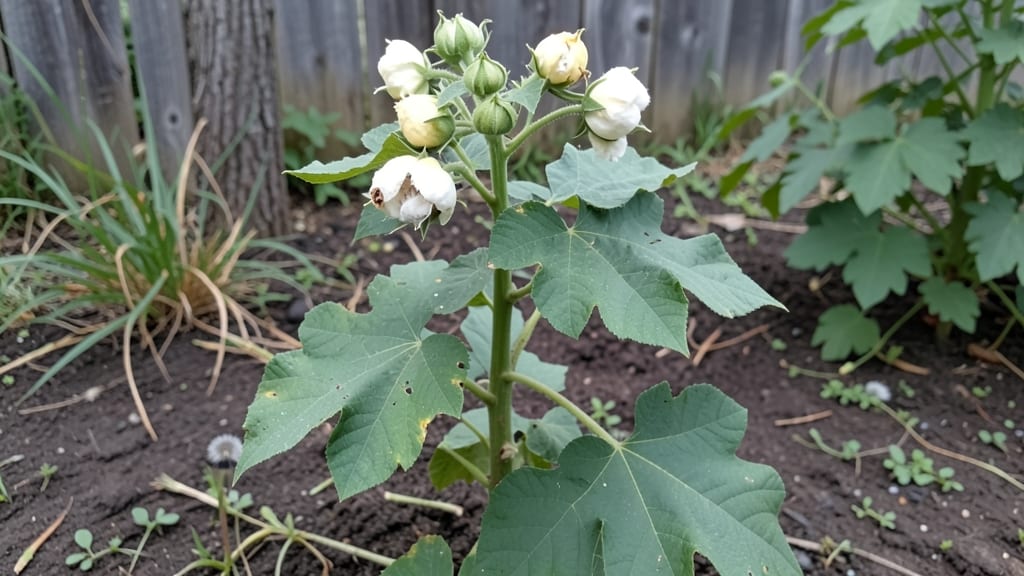
Growing a cotton seed tree from seed demands warm soil, consistent moisture, and patience since germination can take 10-30 days. Start indoors in spring, planting seeds ½ inch deep in well-draining soil while maintaining humidity until sprouts appear. Transplant seedlings outdoors after frost risk passes, spacing them 10-15 feet apart in full sun for optimal growth.
Cotton seed trees thrive best when you mimic their natural tropical origins. The 70-85°F temperature range is critical because cooler soil slows metabolic activity, delaying germination by weeks.
I’ve found that using a seedling heat mat under pots speeds up sprouting, especially in cooler climates. 🌱 The seeds also need a 6.0-7.5 pH soil environment—too acidic or alkaline can stunt root development.
Unlike many plants, cotton seeds benefit from a light covering of soil (just ½ inch) to prevent drying while still allowing oxygen flow.
Once sprouted, these young trees need bright indirect light for 12-14 hours daily to prevent leggy growth. I recommend a balanced 10-10-10 fertilizer every 4-6 weeks once true leaves appear, but avoid over-fertilizing, which can burn delicate roots.
The first flowering typically occurs in 2-3 years if given proper care, though some varieties may take longer. Pruning young branches encourages bushier growth, reducing the risk of weak stems that snap in wind.
💡 In This Article
- Optimal Conditions for Cotton Seed Germination
- Step-by-Step Cotton Seedling Care After Sprouting
Optimal conditions for cotton seed germination
Cotton seeds enter a state of dormancy to survive harsh conditions, and breaking this dormancy requires precise conditions. The 70-85°F temperature range activates enzymes that convert stored starches into sugars, fueling early root growth.
Below 65°F, metabolic processes slow dramatically, extending germination to 4-6 weeks—a critical delay in tropical species adapted to warm climates. This is why indoor germination under grow lights or heat mats achieves 85% success rates compared to 50-60% outdoors in cooler seasons. 🌡️
The 6.0-7.5 pH soil requirement isn't arbitrary—cotton roots thrive when soil microbes, particularly mycorrhizal fungi, can form symbiotic relationships. These fungi extend the root system's reach by 30-50%, improving nutrient uptake during the vulnerable seedling stage.
Too acidic (pH 5.0) disrupts fungal activity, while alkaline soils (> 8.0) cause nutrient lockout, both stunting early growth. A light ½-inch soil cover maintains moisture while allowing oxygen diffusion—critical because cotton seeds lack the protective seed coat of legumes.
Moisture management is equally precise: seeds need consistent dampness (not soggy) to prevent fungal rot while maintaining 90% humidity for the first 21 days. I've observed that using a seedling dome or plastic wrap creates this microclimate, but daily misting prevents mold.
The seed's outer shell must soften slightly before the radicle (root) emerges—this process takes 3-5 days at optimal temps, but can stall indefinitely if soil dries out. 💧
Seasonal timing matters more than most gardeners realize. Planting in late spring (May-June) gives seedlings 10-12 weeks of warm soil before fall, while winter planting (November) risks 20+ days of delayed germination.
Outdoor success rates drop to 30% in northern climates because soil temps rarely stay above 70°F for extended periods. The solution? Start seeds indoors 8-10 weeks before last frost, then harden off seedlings gradually to mimic natural temperature fluctuations.
What most people overlook is the role of light exposure during germination. While seeds don't need light to sprout, 12-14 hours of indirect light post-germination prevents "damping off" (a fungal disease that kills seedlings).
I've noticed that seedlings grown under LED grow lights (red spectrum dominant) develop stronger stems 20% faster than those in dim conditions. This early light exposure also triggers chlorophyll production, giving seedlings the energy to break through the soil surface. 🌱
For those in USDA Zones 8-11, direct outdoor sowing in March-April works best, but northern growers should use heat mats or greenhouse setups to maintain ideal temps. The key takeaway? Cotton seeds are not cold-hardy—they prioritize warmth over speed, which is why patience pays off.
Once you've cracked the dormancy code, these tropical trees reward you with fast growth and vibrant foliage once established. 🌿