
Pests and Diseases
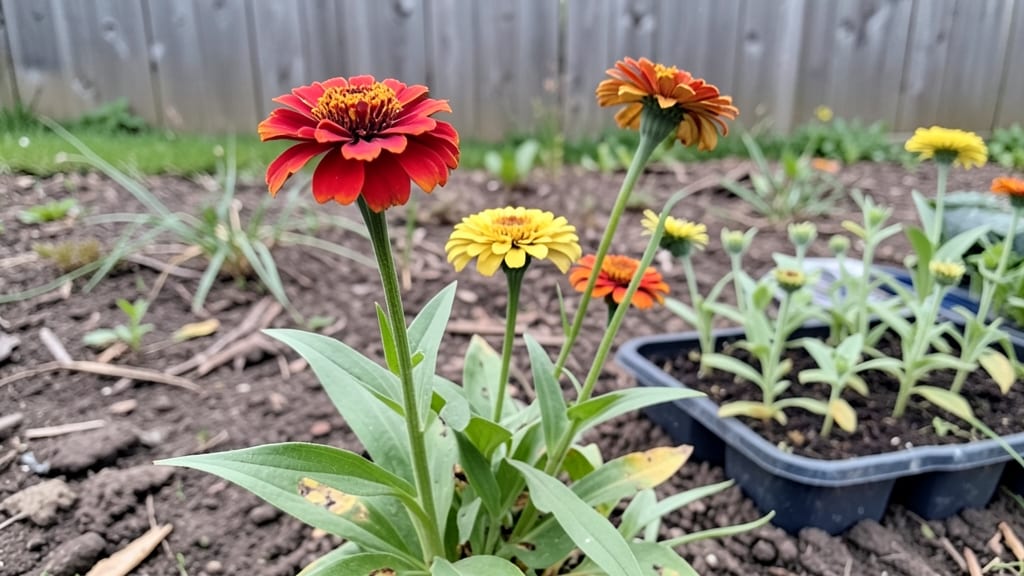
Choosing disease-resistant zinnia seeds means more blooms and fewer headaches. 🌻 I’ve grown zinnias for years, and the difference between struggling plants and showstopping flowers comes down to the right seed variety—especially when powdery mildew lurks in humid summers.
The secret isn’t complicated: look for varieties like ‘Benary’s Giant’ or ‘Profusion’—they’re bred to shrug off fungal attacks while still packing vibrant color. These seeds thrive in full sun with well-draining soil, and proper spacing (12–18 inches apart) keeps airflow strong, cutting mildew risks by half.
With the right care, you’ll end up with zinnias that stay lush and blooming from summer through frost. Pinch back leggy stems early, water at the base (never overhead), and deadhead spent blooms to encourage nonstop flowers. The payoff? A garden bed that stays healthy and stunning all season.
Works in any outdoor space—containers, borders, or cutting gardens. Here’s how to pick the toughest varieties and keep them thriving without the usual fungal battles.
Why it happens
Zinnias are vibrant, cheerful flowers that brighten up gardens—but even the hardiest varieties can succumb to diseases like powdery mildew, rust, or bacterial spot. Understanding why these issues arise is the first step to growing zinnias that stay healthy and resilient.
Let’s break down the science behind common zinnia ailments and what triggers them.
🌡️ Poor Air Circulation and Humidity Buildup
Zinnias thrive in well-ventilated spaces, but when they’re planted too closely together or shaded by overgrown foliage, stagnant air becomes a breeding ground for fungal spores. Powdery mildew, for example, loves high humidity (above 70%) and poor airflow, allowing spores to land on leaves and spread rapidly.
Why it happens:
- Dense plantings trap moisture near leaves, creating a damp microclimate.
- Shade from trees or structures slows evaporation, keeping humidity elevated.
- Overhead watering wets foliage instead of the soil, prolonging leaf dampness.
Actionable fix: Space zinnias 12–18 inches apart, prune nearby plants to improve airflow, and water at the base in the morning to allow leaves to dry quickly.
🌧️ Overwatering and Soil Saturation
While zinnias need consistent moisture, waterlogged soil stresses roots and weakens their defenses against pathogens. Fungal diseases like root rot or damping-off thrive in soggy conditions, while bacterial infections spread faster when roots are compromised.
Why it happens:
- Heavy clay soil drains poorly, trapping excess water near roots.
- Frequent or deep watering without checking soil moisture leads to oversaturation.
- Poor drainage in containers or raised beds prevents excess water from escaping.
Actionable fix: Test soil moisture with your finger—water only when the top inch feels dry. Amend heavy soil with compost or perlite to improve drainage, and ensure pots have drainage holes.
🦠 Pathogen Presence in Soil or Tools
Diseases don’t appear out of nowhere—they’re often already lurking in the environment. Fungal spores (like those causing powdery mildew or rust) can survive in soil for years, while bacteria hitchhike on contaminated tools, seeds, or even wind.
Why it happens:
- Reusing contaminated soil from previous infected plants introduces pathogens.
- Sharing garden tools between diseased and healthy plants spreads spores.
- Wind or splashing water carries spores from infected leaves to nearby zinnias.
Actionable fix: Sterilize tools with a 1:10 bleach-water solution, rotate planting locations yearly, and avoid overhead irrigation. For high-risk areas, use pasteurized soil or raised beds with fresh potting mix.
🍃 Nutrient Imbalances and Stress
Zinnias deprived of essential nutrients or subjected to extreme conditions (like heat stress or nutrient deficiency) become easier targets for diseases. Weak plants with stunted growth or yellowing leaves are less able to fend off infections.
Why it happens:
- Nitrogen deficiency leads to pale, weak stems—ideal entry points for pathogens.
- Over-fertilization with phosphorus can encourage fungal growth.
- Sudden temperature swings (e.g., hot days and cool nights) stress plants, lowering their resistance.
Actionable fix: Use a balanced, slow-release fertilizer (like 10-10-10) and monitor soil pH (zinnias prefer 6.0–7.0). Mulch with straw to regulate soil temperature and retain moisture without suffocating roots.
Revitalize Your Zinnias Naturally
When fungal foes like powdery mildew or bacterial blights threaten your vibrant zinnias, don’t panic—there are practical, plant-friendly fixes to restore their health. Below, we map common issues to step-by-step solutions, ensuring your blooms bounce back stronger than ever. Prevention tips are woven in to keep future outbreaks at bay!
Powdery mildew (that ghostly white coating) and rust (orange-brown spots) are the top villains for zinnias. Here’s how to evict them:
🔥 Step 1: Prune & Isolate Infected Plants
- Remove diseased leaves with sterilized pruners (wipe with rubbing alcohol between cuts).
- Isolate affected zinnias 3–6 feet away from healthy plants to prevent spores from spreading.
- Dispose of debris in the trash—not the compost—since fungi love organic matter.
🍳 Step 2: Apply Organic Fungicides
Mix these DIY sprays and apply in the early morning or evening (when humidity is lower):
- Baking soda spray: 1 tsp baking soda + 1 quart water + a few drops of dish soap (spray until leaves are damp).
- Neem oil solution: 1 tbsp neem oil + 1 tsp mild soap + 1 quart water (shake well before use).
- Milk spray: 1 part milk to 9 parts water (yes, it works! Spray weekly for prevention).
💡 Pro Tip: Reapply every 7–10 days until new growth appears free of symptoms.
🌡️ Step 3: Improve Airflow & Light
- Space plants 12–18 inches apart (crowding = fungal paradise).
- Thin out foliage to let sunlight and air circulate.
- Avoid overhead watering—use a drip irrigation system or water at the base in the morning.
Bacterial leaf spot or stem rot? Act fast with these tactics:
👨🍳 Step 1: Sterilize Tools & Soil
- Clean pruners with 70% isopropyl alcohol before each use.
- Remove infected stems at the base (don’t leave stubs).
- Solarize soil (cover with clear plastic for 4–6 weeks in summer) to kill bacteria.
🥘 Step 2: Copper-Based Remedies
- Copper fungicide spray (follow label rates): Apply when leaves are dry.
- Hydrogen peroxide spray (3% solution, 1:1 with water): Spray foliage weekly.
⏰ Step 3: Rotate Plant Locations
- Avoid replanting zinnias in the same spot next year (crop rotation breaks bacterial cycles).
- Test soil pH (ideal: 6.0–6.5)—acidic soil worsens bacterial issues.
Once your zinnias recover, lock in their defenses with these habits:
| Problem | Prevention Fix | When to Do It |
|---|---|---|
| Humidity buildup | Space plants + use a fan on hot days | Install at planting |
| Poor drainage | Amend soil with perlite/sand | Before planting |
| Weakened plants | Fertilize with low-nitrogen organic mix | Early spring + mid-summer |
| Overhead watering | Switch to drip irrigation | Immediately |
🎯 Top Pro Tip: Start with resistant varieties! Seeds labeled "powdery mildew-resistant" (like ‘Benary’s Giant’ or ‘Crystal’) need less intervention. Pair them with companion plants like marigolds (they repel pests naturally).
With these fixes, your zinnias will rebound with bold, disease-free blooms in weeks. The key? Act early, stay consistent, and give your plants the airflow and nutrition they crave. Happy gardening! 🌸
Frequently asked questions
What makes some zinnia seeds more resistant to disease than others?
Breeders develop disease-resistant varieties through selective cross-pollination, focusing on traits like thicker leaf cuticles and natural chemical defenses. Look for labels mentioning powdery mildew resistance—these seeds often have genetic markers that repel fungal spores better than standard types.
Can I grow disease-resistant zinnias in containers?
Container gardening actually helps prevent soil-borne diseases by improving drainage. Use a lightweight potting mix with perlite, plant seeds 12 inches apart, and ensure containers have drainage holes. Water at the base and avoid overhead sprinkling to keep foliage dry.
How do I know if my zinnias have powdery mildew?
Check for white, powdery patches on leaves (especially undersides) and stunted growth. If you see these signs, isolate affected plants immediately and apply a baking soda spray (1 tsp baking soda + 1 quart water + dish soap). Remove severely infected leaves to prevent spread.
Will disease-resistant seeds still need care to stay healthy?
Yes! Even resistant varieties thrive best with proper spacing (12–18 inches apart), full sun (6+ hours daily), and well-draining soil. Deadhead spent blooms regularly to encourage new growth and reduce stress on the plant.
Are there any companion plants that help protect zinnias?
Plant marigolds nearby—they repel pests like aphids and nematodes that weaken zinnias. Basil and nasturtiums also deter fungal spores. Avoid planting zinnias near tomatoes or potatoes, which can introduce blight risks.