
Light Requirements
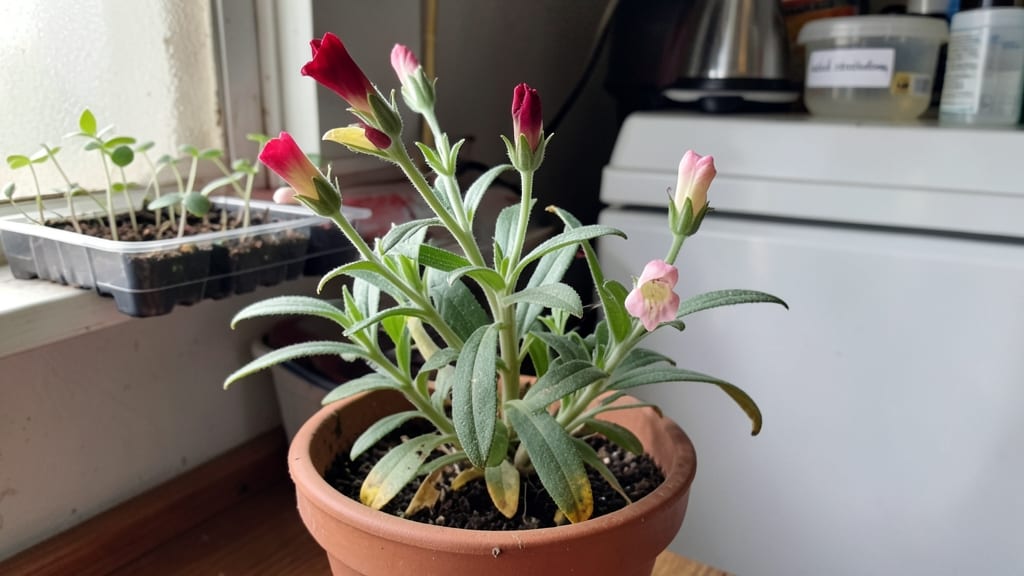
Do snapdragon seeds need cold stratification? Yes, they typically require it to break dormancy, as their hard seed coats need chilling to soften and allow moisture absorption for germination. Skipping this step often results in poor or delayed sprouting, though some fresh seeds may germinate without it.
Cold stratification mimics the natural winter chilling period snapdragon seeds experience in their native Mediterranean habitats. 🌱 Without this process, seeds often remain dormant because their tough outer shells resist water uptake.
I’ve found that artificial stratification—placing seeds in a damp paper towel inside a sealed bag in the fridge for 4-6 weeks—works just as effectively as outdoor winter exposure. Fresh seeds from the current season may bypass this step, but older seeds almost always need the cold treatment for reliable germination.
This method isn’t just about temperature—it’s about timing too. The chilling period triggers internal chemical signals that prepare the seed for growth, ensuring stronger seedlings once planted.
For gardeners in warm climates, this means planning ahead or using alternative methods like scarification (lightly scratching the seed coat) to help water penetrate more easily.
💡 In This Article
- How Cold Stratification Breaks Snapdragon Seed Dormancy
- Alternatives to Cold Stratification for Snapdragon Germination
How cold stratification breaks snapdragon seed dormancy
Cold stratification works by triggering two critical biological processes in snapdragon seeds. First, the chilling period weakens the seed coat through a process called imbibitional softening, where cold temperatures cause microscopic cracks to form in the hard outer shell.
This allows moisture to penetrate more easily—something that rarely happens at room temperature. The second key change involves hormonal shifts: cold exposure increases production of gibberellins, plant hormones that signal the embryo to break dormancy and begin growth.
Without this hormonal cue, seeds remain in a state of suspended animation, even when moisture is present.
In nature, snapdragons grow in Mediterranean climates where winter rains provide both moisture and cold temperatures. The seeds experience this natural stratification outdoors, which is why gardeners replicate it artificially.
For refrigerator stratification, place seeds in a damp paper towel inside a sealed plastic bag and store them at 35-40°F for 4-6 weeks. This mimics the 6-8 weeks of winter chilling they'd receive in their native habitat.
The cold temperature slows metabolic activity just enough to prevent premature germination while preparing the seed for spring planting.
What most people don't realize is that the stratification process also helps break down seed coat inhibitors. These natural compounds prevent germination until conditions are optimal—typically after winter's cold period. When you stratify snapdragon seeds, you're essentially telling the seed, "Winter's over—it's safe to grow now."
This is why artificially stratified seeds often germinate more uniformly and produce stronger seedlings compared to untreated seeds, which may sprout erratically or not at all.
There's a fascinating sensory aspect to this process too. Freshly harvested snapdragon seeds have a slightly papery texture that becomes more pliable after stratification.
You can actually feel the difference when handling them—before stratification, they feel almost impermeable, while after the cold treatment, they absorb water almost immediately when placed on moist paper towels. This physical change is your first sign that the seed's dormancy has been broken.
For gardeners in warm climates, understanding this biological process is crucial because it explains why seeds might fail to germinate when planted directly in spring. The seed coat remains too tough for water uptake, and without the hormonal signals from cold exposure, the embryo stays dormant.
This is why many seed packets recommend stratification—it's not just a suggestion, but a biological necessity for consistent germination rates.
The science behind stratification also reveals why some fresh seeds might germinate without cold treatment. Newly harvested seeds often haven't developed fully hardened seed coats, so they can absorb moisture more easily.
However, these seeds typically have lower vigor and may produce weaker seedlings. For reliable results, especially with older seeds, cold stratification remains the gold standard method for breaking dormancy in snapdragons.