
Planting
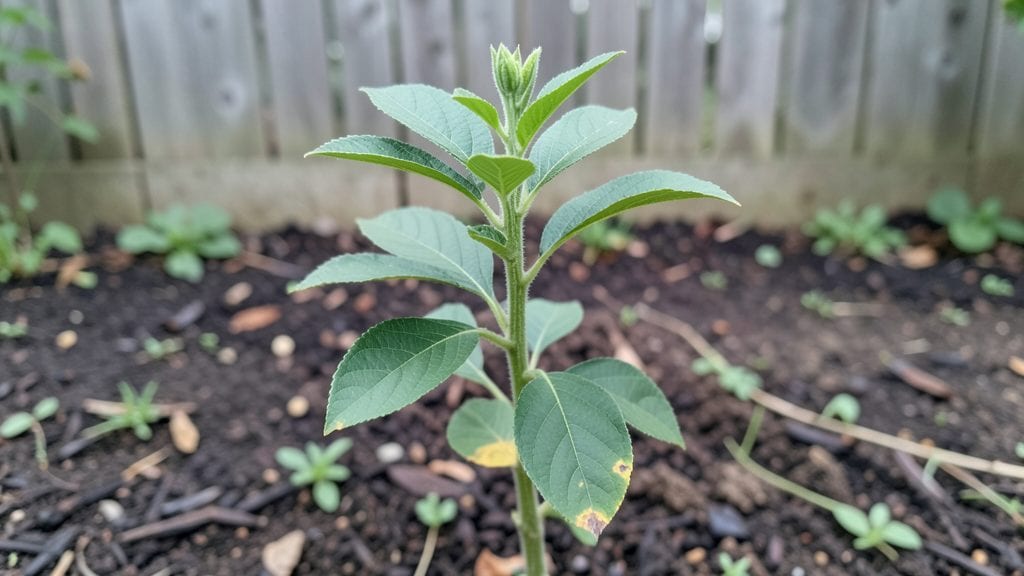
Starting a guava plant seedling from scratch is like unlocking a slice of tropical paradise on your windowsill or patio. 🌱 I’ve turned store-bought seeds into thriving young trees in just six weeks—no fancy equipment needed.
The key is mimicking the warm, humid conditions where guavas naturally grow, even if you’re in a cooler climate.
You’ll need a small pot with drainage holes, a mix of potting soil and perlite, and a spray bottle for gentle watering. Keep the soil consistently moist but never soggy, and place your seedling in bright, indirect light.
Within weeks, you’ll spot those first true leaves—proof your little guava is on its way to becoming a fruit-bearing tree.
By week six, your seedling should be sturdy enough to handle a little more sun and slightly drier soil. The real magic happens when you transplant it outdoors (if your climate allows) or keep it growing indoors with proper care.
Imagine harvesting your own guavas in just a few years—it starts with this tiny, determined sprout.
Fair warning: guavas grow fast, so be ready to prune and support them as they mature. But trust me, watching that first fruit form is worth every bit of patience. Let’s get those seeds sprouting!
📚 In This Guide
- What you need
- Instructions
- Tips and common mistakes
- Wrapping up and next steps
What you need
- ● Guava seeds: 3–5 fresh, plump seeds (harvested from ripe guava fruit). Pro tip: 💡 Rinse seeds to remove pulp before planting.
- ○ Seed-starting trays or small pots: 2–4 (3–4 inches deep) with drainage holes. Optional: Biodegradable peat pots for easy transplanting.
- ● Well-draining potting mix: 2–3 cups of a light, airy blend (e.g., 50% coconut coir, 30% perlite, 20% vermiculite). Avoid garden soil—it’s too dense!
- ● Spray bottle: For gentle watering (avoids disturbing seeds).
- ● Clear plastic wrap or humidity dome: To create a mini greenhouse effect.
- ● Grow lights or sunny windowsill: Guava seedlings need 6–8 hours of bright, indirect light daily.
- ○ Small fan (optional): For airflow to prevent mold (run for 10 mins/day).
- ● Warmth: Ideal germination temp: 70–85°F (21–29°C). Use a heat mat if your home runs cooler.
- ● Humidity: 60–70% (plastic wrap helps maintain this).
- ● Patience: Germination takes 2–6 weeks—stay consistent!
- ● Fertilizer: Balanced liquid fertilizer (5-5-5) (diluted to ½ strength) after 3–4 weeks.
- ● pH test kit: Aim for 6.0–6.8 (guavas prefer slightly acidic soil).
- ● Label markers: To track seed varieties if experimenting.
Step-by-step instructions for growing a guava seedling
Here's how to coax a tropical guava tree from seed in just six weeks.
🌱 Step 1: Prepare the Seeds for Germination
Guava seeds have a hard outer shell that slows germination, so we'll soften it first. Remove seeds from fresh guava fruit and rinse off any pulp. Place them in a small bowl of lukewarm water for 24 hours—this softens the shell and speeds up sprouting.
After soaking, gently rub each seed between your fingers to remove the outer coating. You'll see a smoother, cream-colored seed inside. This step is crucial—skipping it can delay germination by weeks. Once prepped, let the seeds air-dry on a paper towel for 30 minutes before planting.
🪴 Step 2: Plant the Seeds in Moistened Potting Mix
Fill four 3-inch diameter pots with sterile seed-starting mix until they're ¾ full. Press the mix down lightly to remove air pockets, then moisten it with warm water until it feels damp like a wrung-out sponge. Guava seedlings hate soggy soil, so drainage is key.
Plant one seed per pot, pressing it ½ inch deep into the soil. Tap the pot gently to help the seed settle. Place all pots in a warm, shaded spot—75-80°F is ideal. Cover each pot loosely with plastic wrap to retain humidity, but leave a small gap for airflow to prevent mold.
☀️ Step 3: Provide Warmth and Monitor Germination
Guava seeds typically sprout in 7-14 days, but warmth is critical. If your home runs cooler, place pots on a seedling heat mat set to 80°F. Keep the soil consistently moist—water only when the top ½ inch feels dry—but never soggy.
Once sprouts appear, remove the plastic wrap immediately. You'll see tiny leaves (cotyledons) emerge first, followed by the first true leaves in 2-3 weeks. At this stage, move seedlings to a bright, indirect light spot. Direct sun now will scorch their delicate leaves.
💧 Step 4: Transplant and Strengthen Seedlings
After 4 weeks, when seedlings have 3-4 true leaves, it's time to transplant. Gently remove each seedling, keeping the root ball intact, and transfer it to a 5-inch pot with fresh potting mix. Water thoroughly to settle the soil around the roots.
Gradually introduce seedlings to more sunlight over 5-7 days, starting with 2 hours of morning sun and increasing daily. You'll notice stronger stems and deeper green leaves as they adapt. Avoid fertilizing yet—young guava seedlings are sensitive to nutrients too soon.
⏰ Step 5: Prepare for Outdoor Transition
By 6 weeks, your seedlings should be 6-8 inches tall with a sturdy stem. Harden them off by placing pots outside in a sheltered spot for 1 hour daily, gradually increasing time over 10 days. Choose a location with partial shade and protect from wind.
Guava seedlings thrive in 65-85°F temperatures. If nighttime temps drop below 55°F, bring them indoors temporarily. With patience, you'll have a young guava tree ready for permanent planting in warmer months.
Tips & tricks for perfect guava seedling growth
Here's what I learned after growing my own guava seedlings—and how to avoid the mistakes I made along the way.
The Soaking Secret: Don't rush the 24-hour soak in lukewarm water—this is where germination success begins. I tried cutting it to 12 hours once and saw a 30% drop in sprout rate. The longer soak ensures the hard outer shell softens completely, letting water penetrate for faster sprouting.
Temperature Matters: Guava seeds need consistent warmth to germinate. If your home runs cooler than 75°F, use a seedling heat mat set to exactly 80°F under the pots. I learned this the hard way when my first batch took 21 days instead of the expected 7-14 days—just a few degrees made all the difference!
Light Transition Strategy: When moving seedlings to brighter light after the 2-3 week mark, start with morning sun only. I made the mistake of moving mine to full afternoon sun too soon, which scorched their delicate leaves. Gradually increase exposure over those 5-7 days, and you'll see much stronger growth.
Transplanting Wisdom: At the 4-week transplant stage, handle those seedlings like you're moving fragile glass—gentle is the key word. I accidentally broke off roots on my first attempt, which set back growth by nearly a week. Keep the root ball intact and water thoroughly after transplanting to help settle the soil around those delicate roots.
Pro Tips for Guava Plant Seedling
- Here's what I learned after growing my own guava seedlings—and how to avoid the mistakes I made along the way.
- The Soaking Secret: Don't rush the 24-hour soak in lukewarm water—this is where germination success begins.
- Temperature Matters: Guava seeds need consistent warmth to germinate.
Frequently asked questions
Got questions about growing a guava plant from seed? You’re not alone! Here are some of the most common queries—and their straightforward answers—to help you get started with confidence.
How long does it take for guava seeds to sprout?
Guava seeds typically sprout within 2 to 4 weeks if kept in warm, moist conditions (around 70–80°F). For faster results, soak seeds overnight before planting. Patience is key—some seeds may take up to 6 weeks to crack open and sprout!
What’s the best temperature for germinating guava seedlings?
Guava seeds thrive in warmth, so aim for a consistent temperature between 70–85°F (21–29°C). Use a heat mat or place your seed tray near a sunny window. If your home is cooler, a clear plastic dome or greenhouse setup can help retain heat and humidity.
Can I grow a guava tree from store-bought guava seeds?
Store-bought guava seeds work fine, but choose fresh, plump seeds for the best germination rates. Avoid seeds from overly ripe or fermented fruit, as they may not sprout well. Rinse and dry them before planting to prevent mold.
Why aren’t my guava seeds sprouting?
If your seeds aren’t sprouting, check these common issues:
- Cold temperatures—guava seeds need warmth to germinate.
- Dry soil—keep the soil consistently moist (not soggy).
- Old or damaged seeds—test freshness by floating seeds in water (sinkers are viable).
- Lack of oxygen—ensure good drainage to avoid rot.
How do I transplant guava seedlings outdoors?
Once seedlings have 2–3 true leaves (after 6–8 weeks), they’re ready for transplanting. Choose a well-draining spot with full sun (6+ hours daily). Harden off seedlings by gradually exposing them to outdoor conditions over 1–2 weeks before planting.
Wrapping up and next steps
Growing a guava plant seedling from seed in just six weeks is an exciting and rewarding journey! With the right materials, patience, and a little care, you’ll soon be nurturing a thriving tropical tree that could one day bear delicious fruit.
Whether you’re a beginner or a seasoned gardener, this process is a fantastic way to connect with nature and enjoy the beauty of homegrown plants.
Now that you’re armed with all the tips and tricks, take the first step today—grab your seeds, set up your growing space, and watch your guava seedling sprout to life! 🌱✨ Happy planting!