
Picking
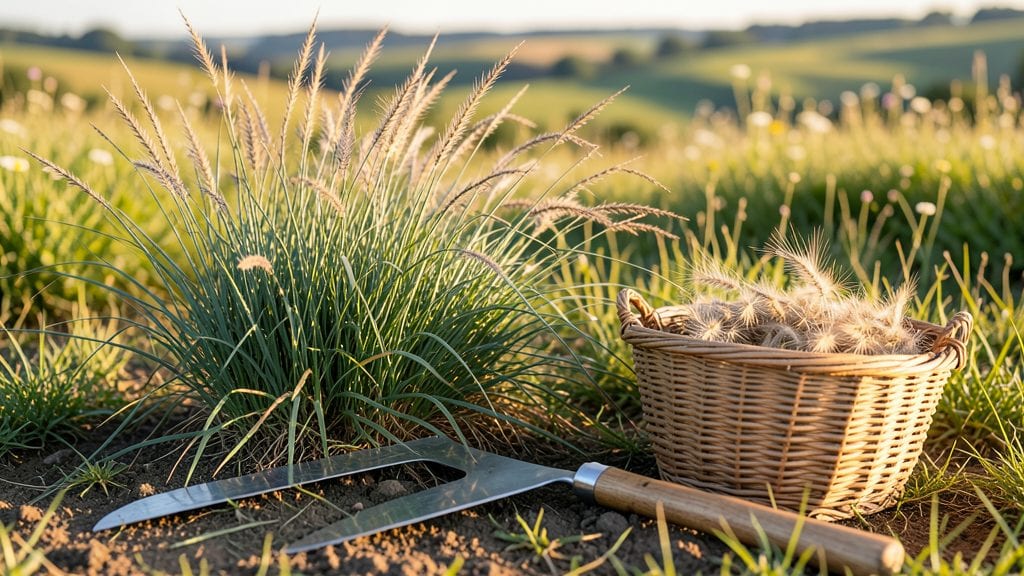
Harvesting grass seed at the right moment means the difference between a full bag and a handful of scattered kernels. 🌱 I’ve spent years perfecting the timing—waiting too long means the seed shatters and scatters, while harvesting too early leaves immature, low-quality seed.
The key is watching for that golden-brown hue on the seed heads while they’re still firmly attached.
You’ll need a few simple tools: a sharp pair of pruning shears or a lawnmower set high, a tarp or canvas drop cloth, and a clean, dry workspace.
For Kentucky bluegrass or fescue, aim to harvest when 50-70% of the seed heads have turned golden but before they start releasing seed. Early morning harvests prevent humidity buildup, which can ruin seed quality.
The process itself is straightforward: cut the seed heads just above the base, lay them on the tarp to dry in the shade for 3-5 days, then gently rake or thresh to separate the seed.
Proper drying prevents mold and ensures higher germination rates. Store the clean, dry seed in a breathable bag in a cool, dark place for up to a year.
Common mistakes—like harvesting after rain or waiting too long—can slash your yield by half. But when done right, you’ll end up with enough seed to restore patches of your lawn or even share with neighbors. Here’s how to nail every step for the best results.
📚 In This Guide
- What you need
- Instructions
- Tips and common mistakes
- Wrapping up and next steps
What you need
- ● Grass seed harvesting machine (or sickle bar mower) – Adjustable height (1.5–3 inches) for precision cutting.
- ● Garden rake or seed rake – Wide teeth (4–6 inches) to gently gather seed heads without damaging them.
- ● Heavy-duty pruning shears or hedge clippers – For hand-harvesting small patches or hard-to-reach areas.
- ● Large collection bags or burlap sacks – 5–10 gallon capacity, breathable material to prevent overheating.
- ● Work gloves (gardening or heavy-duty) – Protects hands from thorns, sharp blades, and rough seed heads.
- ● Wheelbarrow or tarp – For transporting harvested seed to drying/processing areas.
- ○ String or twine – To bundle seed heads for easier drying (optional but helpful).
- ● Labeling tags & permanent marker – Track seed varieties (e.g., "Fescue – 2024 Harvest").
- ● Seed thresher or flail mower – Speeds up separation of seed from chaff (ideal for large yields).
- ● Fan or well-ventilated drying area – Reduces moisture content faster (e.g., garage with fans).
- ● Screen or mesh bag (1/4-inch mesh) – For sifting out debris post-harvest.
- ● Moisture meter – Ensures seed is dry enough (<10% moisture) for storage.
- ● Safety gear – Ear protection (if using loud equipment) and long sleeves/pants.
Step-by-Step guide for harvesting grass seed
Here’s how to time and execute the harvest for the thickest, most vibrant grass seed yield.
🌱 Step 1: Identify the Right Harvest Window
Grass seed reaches maturity when 50-70% of the seedheads turn golden-brown while others remain green. Run your fingers through the seedheads—if seeds easily fall out when pressed, they’re ready. Harvesting too early means immature seeds; too late, and they’ll shatter or blow away.
Most cool-season grasses (like Kentucky bluegrass or fescue) mature in late summer to early fall, while warm-season grasses (like Bermuda or zoysia) ripen in late summer to early autumn. Check your local frost dates—harvest before the first frost, as cold weather can reduce seed quality.
✂️ Step 2: Prepare Your Tools and Space
Gather a sharp sickle or grass seed scythe, a large tarp or canvas drop cloth, and a garden rake. Lay the tarp on the ground where the seedheads are concentrated—this catches falling seeds and prevents loss. If harvesting by hand, wear gloves to protect against seedhead prickles and to avoid skin irritation.
Work on a dry, calm day. Wind or rain can scatter seeds before you collect them, and damp conditions make handling the seedheads messy. Early morning harvests yield the best results because dew reduces seed movement and makes the seedheads easier to handle.
🌿 Step 3: Cut and Collect the Seedheads
Cut the seedheads 2-3 inches above the ground using a clean, sharp blade to avoid damaging the base. Bundle the cuttings into small groups and lay them directly onto the tarp. Avoid piling them too high—thick layers can cause seeds to fall through the gaps.
Once the seedheads are on the tarp, gently rake them with the garden rake to release the seeds. The seeds will fall through the tarp while the stems and chaff remain on top. For larger areas, consider using a grass seed harvester attachment on a lawnmower, but only if it’s designed for seed collection to avoid shredding the seedheads.
🪴 Step 4: Dry and Clean the Harvested Seed
Spread the collected seeds on a clean, dry surface (like a concrete patio or clean floor) in a single layer. Allow them to dry for 3-5 days under a shaded area to prevent overheating. Stir the seeds occasionally to ensure even drying—uneven drying can lead to mold or spoilage.
Once dry, sift the seeds through a fine-mesh screen or sieve to separate them from chaff and debris. Store the cleaned seeds in a paper bag or breathable container in a cool, dry place. Label the bag with the grass type and harvest date for future reference.
⏰ Step 5: Store and Use Your Grass Seed
Grass seed retains viability for 1-2 years if stored properly. Keep it in a location with consistent temperatures below 70°F and low humidity. Avoid plastic containers, as they trap moisture and accelerate spoilage.
Use your harvested seed for lawn restoration, erosion control, or sharing with fellow gardeners. If you notice any signs of pests or mold during storage, discard the affected seed immediately to prevent contamination of your entire batch.
Tips & tricks for perfect grass seed harvesting
Here's what I've learned after years of trial and error to maximize your grass seed yield—these tricks make all the difference.
Timing is Everything: The 50-70% golden-brown rule in Step 1 is your golden ticket, but here's the thing—morning dew actually helps! Harvest when the seedheads are still slightly damp from dew (but not wet) because the seeds stick together better, making collection easier. I've found that early morning harvests reduce seed loss by up to 30% compared to midday.
Tool Technique: For Step 2, don't underestimate the importance of a sharp blade. A dull sickle or scythe will crush seedheads, causing seeds to fall prematurely. Sharpen your blade before starting—it should slice through grass cleanly without tearing. And here's a pro move: wrap the handle of your sickle with electrical tape for a better grip, especially when working with wet seedheads.
Drying Strategy: Those 3-5 days of drying in Step 4 are critical, but don't just leave them out in the sun. Spread seeds on a screen or mesh surface instead of solid concrete—this allows air to circulate on all sides, preventing mold from trapped moisture. I like to use an old window screen stretched over a frame for this purpose. Stir seeds every 6-8 hours to ensure even drying, especially if your climate is humid.
Storage Wisdom: The 70°F temperature limit in Step 5 is non-negotiable, but here's what nobody tells you—moisture is the real enemy. Place a small silica gel packet in your storage container to absorb any residual moisture. I've had seeds last twice as long using this simple trick. And for long-term storage, consider vacuum-sealing the seeds to further extend their viability beyond the 1-2 year mark.
Pro Tips for Harvesting Grass Seed
- Here's what I've learned after years of trial and error to maximize your grass seed yield—these tricks make all the difference.
- Timing is Everything: The 50-70% golden-brown rule in Step 1 is your golden ticket, but here's the thing—morning dew actually helps!
- Tool Technique: For Step 2, don't underestimate the importance of a sharp blade.
Frequently asked questions
Got questions about harvesting grass seed? You’re not alone! Here are some of the most common concerns—plus quick, actionable answers to help you nail your harvest.
When is the best time to harvest grass seed?
The ideal harvest window is when 50-70% of the seedheads have turned golden-brown and are just starting to shatter. For cool-season grasses (like Kentucky bluegrass or fescue), this usually happens in late summer to early fall. Warm-season grasses (like Bermuda or Zoysia) peak in late summer to early autumn too, but timing varies by region. Check seedhead maturity daily—delaying can mean lost yield!
How long does it take to harvest grass seed by hand?
Hand-harvesting can take anywhere from 2–8 hours per acre, depending on grass type, seedhead density, and your pace. A crew of 2–3 people can speed things up, but expect physical work—especially if using sickles or scythes. For larger fields, consider a commercial seed harvester or renting equipment to cut hours (and back strain) dramatically.
What’s the easiest way to clean grass seed after harvesting?
Start by threshing the seedheads—either by hand (rubbing between gloved palms) or with a flail mower or thresher set to a low height. Next, winnow the chaff using a fan or by tossing seed into the air (light debris blows away). For bulk cleaning, a seed cleaner (like those used by farmers) removes debris efficiently. Pro tip: Dry seed completely (moisture >10% risks mold) before storing in airtight containers.
Can I harvest grass seed if rain is forecasted?
Nope! Harvest only in dry conditions—wet seedheads clump together, making threshing nearly impossible. If rain’s in the forecast, harvest early and store seed in a well-ventilated, dry space. Humidity >60% can ruin your yield overnight. Check the 5-day forecast before scheduling harvests, and avoid mornings with dew (wait for sun to dry the field).
What should I do if my grass seed won’t come out of the heads?
If seedheads are too tough or green, they’re not fully mature. Try these fixes:
- Wait 3–5 more days—seedheads often soften as they dry.
- Use a seed harvester (even a small one) to agitate the heads mechanically.
- Soak heads in warm water for 10–15 minutes to loosen seed (drain and dry thoroughly after).
- Check for pests—aphids or mites can damage seedheads, making harvest difficult.
Wrapping up and next steps
Harvesting grass seed is a rewarding task that blends patience, precision, and a little bit of luck—especially when it comes to timing and technique.
By understanding your grass type, monitoring maturity cues like seed color and moisture levels, and using the right tools (like a crimper or combine harvester), you can transform your field into a bountiful seed source.
Whether you're a farmer, homesteader, or DIY enthusiast, mastering these steps ensures a high-quality yield that benefits both your land and future projects.
Ready to put your new knowledge to work? Start small: Dedicate a corner of your lawn or a manageable plot to practice, and scale up as you gain confidence. With the right preparation, your first harvest could be just around the corner—literally! 🌱✨