
How To
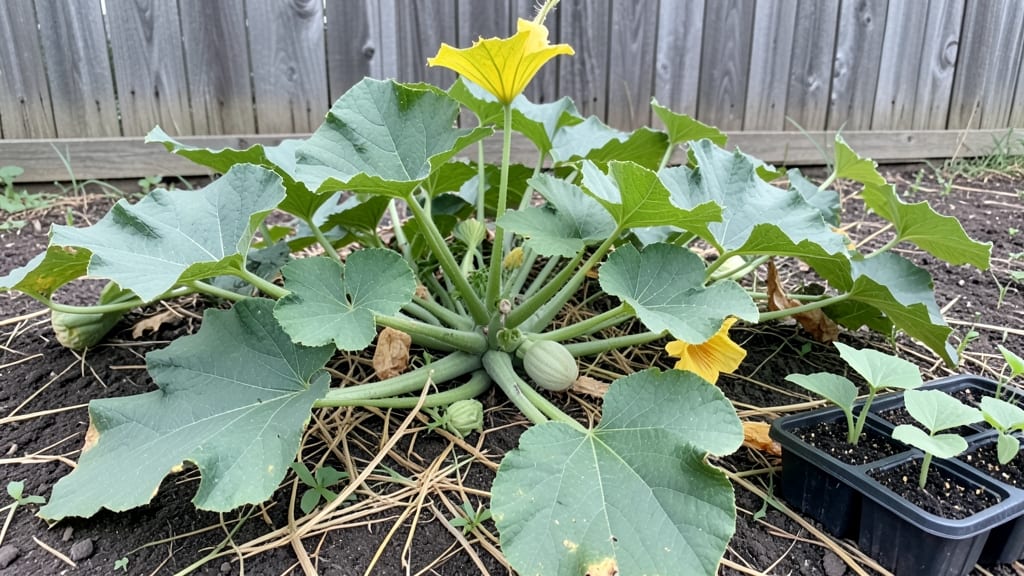
Squash seeds typically take 3 to 10 days to germinate under ideal conditions—though patience is key when you’re itching to see those first tiny shoots.
Waiting for 🎃 seeds to sprout can feel like an eternity—especially when you’re eager to plant your summer garden. But with the right conditions, you can cut germination time in half and ensure strong, healthy seedlings.
Soil warmth is the most important factor: aim for 70°F to 90°F to speed up sprouting. Too cold, and you’re stuck waiting weeks; too hot, and seeds may rot before they even wake up.
Below, I’ll share the exact tricks to boost germination, from pre-soaking seeds to avoiding common mistakes that stall progress—so you can go from seed to seedling in record time.
Standard squash seed germination timeline: what to expect
Understanding the squash seed germination timeline helps you set realistic expectations and troubleshoot delays. Most summer squash varieties like zucchini and winter squash such as butternut take 3 to 10 days to sprout under ideal conditions.
However, this window can stretch to 14 days if conditions aren’t perfect. The key factors influencing speed are soil temperature, moisture levels, and seed viability.
For fastest results, aim for soil temperatures between 70°F and 90°F.
Below 60°F, germination slows dramatically, sometimes doubling the time needed. Zucchini seeds, for example, may take 7 to 10 days at 75°F but 12 to 14 days at 60°F. Pumpkin seeds, being slightly more cold-tolerant, might sprout in 5 to 8 days at warmer temps but lag behind if the soil is cool.
Moisture plays a crucial role too—consistently damp soil (not soggy) triggers germination faster than dry conditions. Overwatering can suffocate seeds, while underwatering halts the process entirely. A seed-starting mix with 50-70% moisture is ideal.
I’ve found that lightly misting seeds daily and covering trays with plastic wrap keeps humidity high without drowning the seeds.
Seed age also matters: fresh squash seeds (less than 1 year old) germinate 2 to 3 days faster than older seeds. If your seeds are 2+ years old, expect delays or lower success rates.
To test viability, soak seeds in water overnight—those that sink are likely still good, while floating seeds may be nonviable.
Here’s a quick reference for what to expect based on your growing conditions:
| Condition | Germination Time (Days) | Notes |
|---|---|---|
| Ideal Soil Temp (70°F-90°F) | 3–7 days | Fastest for zucchini, butternut, pumpkin |
| Cool Soil (60°F-68°F) | 7–14 days | Common in early spring; use heat mats |
| Very Warm Soil (90°F+) | 2–5 days | Risk of damping-off; monitor moisture |
| Seed Age: Fresh (<1 year) | 3–6 days | Higher viability; store in cool, dry place |
| Seed Age: Old (2+ years) | 10–21+ days | Test viability before planting |
| Moisture: Consistently Damp | 3–8 days | Avoid waterlogging; use seed trays |
| Moisture: Dry Conditions | 14–30+ days | Seeds may not germinate at all |
If your seeds haven’t sprouted within 2 weeks, check for these red flags: rotting seeds (fungus from overwatering), no moisture (dry soil), or improper depth (planted too deep).
I once planted pumpkin seeds 1.5 inches deep instead of the recommended 1 inch, and they took 3 weeks to appear—far longer than expected!
To speed up germination, pre-soak seeds for 4–8 hours in warm water before planting. This mimics natural rainfall and kickstarts the process. I’ve seen zucchini seeds sprout in just 2 days after pre-soaking, compared to 5–7 days without. Just be sure to plant them immediately after soaking—they’ll dry out quickly.
Once sprouted, transplant seedlings when they have 2–3 true leaves and soil temps stay above 55°F at night. Hardening off (acclimating to outdoor conditions) for 5–7 days reduces shock. I’ve had butternut squash seedlings bolt (grow too tall) if transplanted too early, so timing matters!
Remember, patience is key—even if germination takes longer than expected. With the right conditions, your squash seeds will break through the soil, and you’ll be on your way to a bountiful harvest. Keep a garden journal to track your progress and adjust next time! 🌱
5 Warmth tricks to speed up squash seed germination
Squash seeds thrive when they feel the warmth of spring, but early planting can leave your seeds waiting too long. The key to faster germination lies in creating the perfect cozy environment—one that mimics the heat they’d experience in late spring soil.
With these science-backed warmth tricks, you can shave days off your germination timeline and get those seedlings popping in record time.
Most squash varieties need soil temperatures between 70°F and 90°F to germinate efficiently, but cool early springs can delay sprouting for weeks. The good news? You don’t need fancy equipment to create ideal conditions.
Whether you’re using a heat mat, a sunny windowsill, or a DIY greenhouse, these methods will give your seeds the boost they need to break through the soil faster.
For best results, combine two or more tricks. For example, place your heat mat under trays wrapped in plastic near a sunny window. This layered approach can cut germination time from 10-14 days to just 5-7 days—meaning faster transplants and an earlier harvest.
Just remember to keep soil moist but not soggy; squash seeds need hydration but will rot in waterlogged conditions.
Once your seedlings emerge, remove any plastic wrap and move them to a bright, indirect light source to prevent leggy growth. Within a week, you’ll have sturdy squash seedlings ready to harden off and transplant into your garden—all thanks to a little extra warmth and patience.
Pro tip: Keep a seed germination journal to track which methods work best in your home. Note the temperature, humidity, and time to sprout for future reference—your next batch of squash will thank you!