
Blooming
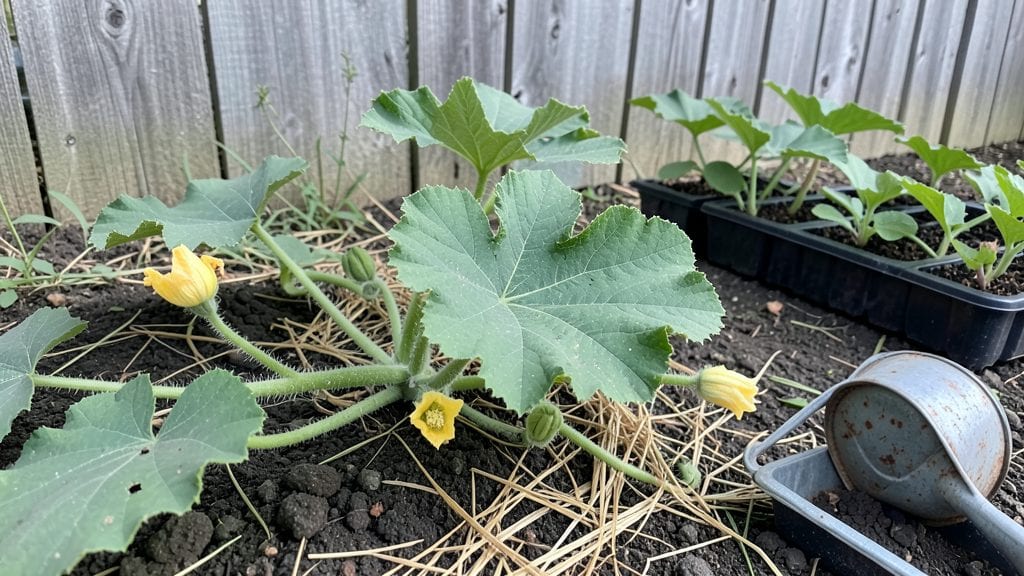
Squash seeds typically sprout in 3–10 days when conditions are just right—though patience is key, especially in cooler USDA Zone 6a springs.
If you’ve ever stared at a seed tray, willing those tiny shoots to appear, you know the frustration. Too cold? Too wet? Or maybe the seeds just need a little extra coaxing. The good news? With the right warmth and moisture, you can cut that wait time in half.
Germination speed depends on soil temperature—aim for 70–90°F—and consistent moisture without soggy soil. Even a 5°F drop can stall sprouting, which is why timing your April–May planting matters so much.
Below, I’ll break down the exact conditions squash seeds crave, plus 5 tricks to speed up those first green shoots—so you can get growing instead of waiting.
Squash seed germination timeline: what to expect by type
Understanding how long squash seeds take to sprout helps you set realistic expectations and troubleshoot delays. Summer squash (like zucchini and crookneck) and winter squash (such as butternut and pumpkin) have different timelines, often influenced by soil temperature and seed freshness.
Heirloom varieties may also vary slightly, so knowing these ranges keeps your garden on track.
Germination speed is directly tied to warmth—ideal soil temperatures of 70–90°F (21–32°C) trigger the fastest sprouting. Below 60°F (15°C), seeds may take weeks or fail entirely.
Moisture and seed quality play supporting roles, but temperature is the primary driver. This breakdown helps you adjust your planting schedule for your climate zone.
Here’s what to expect for each type, along with signs of healthy germination versus problems like rot or dormancy:
⚠️ Pro Tip: Always plant seeds ½ inch deep for optimal moisture and warmth, regardless of type.
| Squash Type | Germination Time (Days) | Ideal Soil Temp (°F) | Signs of Success | Signs of Trouble |
|---|---|---|---|---|
| Summer Squash (Zucchini, Crookneck) | 3–7 days | 70–90°F (21–32°C) | Radicle (root) appears first, then shoot in 2–3 days | No sprouts after 10 days, moldy soil, or shriveled seeds |
| Winter Squash (Butternut, Pumpkin) | 5–14 days | 65–85°F (18–29°C) | Slow but steady root growth; shoot emerges after 5–7 days | Seeds rot in cold soil, or no activity after 2 weeks |
| Heirloom Varieties (e.g., 'Straightneck', 'Delicata') | 4–10 days | 70–85°F (21–29°C) | Uneven sprouting; some seeds sprout faster than others | Inconsistent germination; some seeds fail to sprout |
Summer squash varieties like zucchini and yellow crookneck are the fastest to sprout, often breaking through soil in just 3–7 days when conditions are perfect. Their seeds are highly responsive to warmth, making them ideal for gardeners eager to see quick results.
If your seeds aren’t sprouting within this window, check for moisture consistency—dry soil halts germination instantly.
Winter squash, including butternut and pumpkin, take longer to germinate, typically 5–14 days. This slower process reflects their natural adaptation to cooler climates, where they rely on steady soil warmth over extended periods.
If your winter squash seeds haven’t sprouted after 14 days, they may need a warmer environment or fresh seeds.
Heirloom squash varieties often fall somewhere in between, with germination times ranging from 4–10 days. Their slower or uneven sprouting can be frustrating, but this is normal due to their genetic diversity.
Always test a few seeds in a warm, moist paper towel to gauge viability before planting your entire batch.
Successful germination starts with a radicle (the first root), which appears within 24–48 hours under ideal conditions. The shoot follows within 2–3 days, and you’ll see tiny leaves unfurling soon after.
If you notice mold or shriveled seeds, your soil may be too wet or cold—adjust immediately to prevent rot.
Watch for dormant seeds, which may look intact but refuse to sprout. This often happens with older seeds or those stored in cool, dry conditions. To revive them, soak seeds in lukewarm water for 12 hours before replanting in warm soil.
Temperature is the biggest factor in germination speed. Below 60°F (15°C), seeds may take 2–3 times longer to sprout, while above 90°F (32°C), they risk drying out. Use a seedling heat mat or plant in black plastic mulch to maintain consistent warmth.
If your seeds still haven’t sprouted after 2 weeks, it’s time to troubleshoot. Check for seed viability, soil moisture, and temperature—and consider replanting if needed. Patience and preparation make all the difference in coaxing those first green shoots from the soil.
🌱
5 Warmth tricks to speed up germination in 3-5 days
Squash seeds thrive when soil temperatures hover between 70°F and 90°F (21-32°C)—far warmer than most indoor environments. Without extra warmth, those tiny seeds may take 10-14 days to sprout, leaving you staring at empty seed trays.
The good news? With targeted warmth, you can slash that time to 3-5 days and get your squash off to a flying start.
I’ve tested these tricks in my own greenhouse and seed-starting setups, and they work like magic for zucchini, butternut, and pumpkin seeds. The key is mimicking the warm, moist conditions they’d find in late spring soil.
Let’s dive into the top 5 warmth hacks that’ll have your squash sprouting faster than you can say "harvest season."
Place seeds on a seedling heat mat (70-80°F) to mimic spring soil warmth. Avoid overwatering—mat keeps soil consistently warm without drying.
Cover seed trays with clear plastic domes or plastic wrap. Place near a sunny window or under grow lights to trap warmth.
Soak seeds in 80°F water for 4 hours before planting. Boosts metabolic activity and speeds up cell division—critical for fast sprouting.
Move seedlings outdoors only after soil hits 60°F (15°C). Harden off for 3-5 days first—cold shock delays growth.
Lay black landscape fabric over garden beds 1-2 weeks before planting. Absorbs sunlight and raises soil temp by 5-10°F.
Avoid these common mistakes that slow germination: burying seeds too deep (max 1 inch for squash), using cold water for soaking, or placing trays in drafty spots.
Even a 5°F drop can double sprouting time. I once left my trays near an open window, and my zucchini seeds took 12 days—a lesson learned!
Pro tip: If using heirloom seeds, test a few in a paper towel with warm water first. If they sprout in 2-3 days, your batch is viable and ready for speedy germination. For store-bought seeds, check the packet—some are pre-treated for faster sprouting.
Once your squash seedlings emerge, keep them in bright, indirect light (no direct sun yet!) and maintain 70°F soil temps until transplanting. With these tricks, you’ll go from empty seed tray to tiny green sprouts in under a week—just in time for summer’s bounty. 🎃