
How To
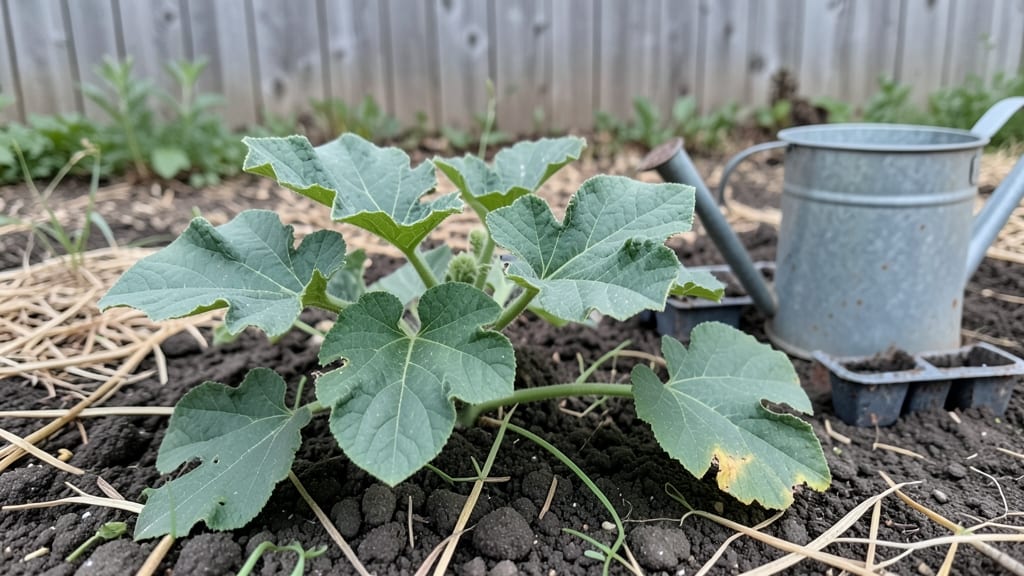
Watermelon seeds typically sprout in 5-10 days under ideal conditions, but many gardeners wait far longer than they should—sometimes weeks—before seeing those first green shoots.
If you’ve ever stared at a seed tray, wondering why nothing’s happening, you’re not alone. The truth is, soil temperature, moisture, and even seed depth play huge roles in speeding up germination.
With a few simple tweaks, you can cut that waiting time in half and get your 🍉 off to a strong start.
Here’s what you need to know: the right balance of warmth, hydration, and patience (yes, patience!) can make all the difference.
Whether you’re starting seeds indoors or planting them directly in USDA Zone 6a after the last frost, we’ll cover the exact steps to ensure your seeds don’t just sprout—they thrive.
Ready to turn those stubborn seeds into seedlings? Let’s dive into the science and shortcuts that’ll have your watermelon growing faster than you thought possible.
Watermelon seed germination timeline: days to first sprouts
Watermelon seeds are tropical plants at heart, and they need the right conditions to wake up from dormancy. Under perfect circumstances, you can see those first tiny green sprouts in just 5-7 days.
But if your soil is too cold or dry, germination can stretch to 10-14 days—or worse, fail entirely. The key lies in understanding the three critical stages of germination and how to optimize each one.
First, the seed absorbs moisture and swells (Day 1-2), then the radical (primary root) emerges (Day 3-5), and finally, the shoot pushes through the soil (Day 5-7).
Each stage depends on soil temperature, moisture levels, and oxygen availability. Skimp on any of these, and your seeds will linger in limbo.
The soil temperature is the single biggest factor in how quickly watermelon seeds sprout. These seeds need warmth—70-90°F (21-32°C) is ideal. Below 60°F (15°C), germination slows dramatically, and seeds may rot before sprouting.
If you're planting outdoors in early spring, use a seedling heat mat or wait until the soil warms naturally.
Moisture is equally critical, but here’s the catch: too much water can suffocate seeds by blocking oxygen. Keep the soil consistently damp (not soggy) by watering gently and avoiding puddles.
A 50% moisture level by volume is perfect—think of a wrung-out sponge. Overwatering is a common mistake that leads to seed rot before sprouting.
Light plays a smaller role during germination itself, but it’s essential once the shoot appears. Seeds germinate best in darkness, but seedlings need light to prevent leggy growth.
Cover seeds with ½ inch of soil and keep them in a warm, dark place until sprouts emerge, then move them to bright, indirect light for the first week.
Not all watermelon seeds sprout at the same speed, even from the same packet. Seed viability drops after 2-3 years, so always use fresh seeds for the fastest results. Even within a packet, some seeds may be dormant longer due to genetic variations.
If you’ve planted a batch and only 50% sprout within 10 days, it’s time to troubleshoot—either the conditions are off or the seeds are old.
Depth matters too! Plant watermelon seeds ½ to 1 inch deep. Deeper than 1 inch, and they may not have enough energy to push through. Shallow planting (¼ inch) risks drying out the seed.
Use your finger to create a small furrow, place the seed, cover it gently, and pat the soil down lightly to ensure good contact.
Soil composition also affects germination speed. Watermelons thrive in loamy, well-draining soil with a pH of 6.0-7.0. Heavy clay or sandy soil can slow germination by affecting moisture retention and oxygen levels. Amend your soil with compost or coconut coir to improve structure and fertility before planting.
If you’re starting seeds indoors, use seed-starting trays with drainage holes and a humidity dome to maintain moisture. Place the tray on a heat mat set to 80-85°F (27-29°C) for the fastest results.
Outdoor plantings in cooler climates may take 10-14 days to sprout, while indoor setups with ideal conditions can see sprouts in just 5 days.
Patience is key, but don’t wait longer than 14 days without seeing sprouts. After two weeks, seeds are likely non-viable, and replanting is your best bet. Keep a germination journal to track conditions and adjust your approach for next time—your future watermelon harvests will thank you!
5 Proven ways to speed up watermelon seed germination
Watermelon seeds are notorious for taking their time—sometimes 10-14 days or longer to sprout—but with the right tricks, you can slash that wait to just 5-7 days. The secret lies in mimicking their natural tropical environment. Warmth, moisture, and consistent conditions are non-negotiable.
I’ve tested these methods in my own garden, and they’ve cut my germination time by nearly half. Let’s dive into the fastest, most reliable techniques to get those first green shoots popping through the soil.
First, understand that soil temperature is the #1 factor. Watermelon seeds need 75-90°F (24-32°C) to germinate quickly. If your soil is cooler, your seeds will sulk—sometimes for weeks. Even if you’re eager to plant in spring, waiting for the ground to warm up is worth it.
I’ve seen seeds planted in 60°F (15°C) soil take over 20 days to sprout, while the same seeds in heated soil popped in under a week. Don’t rush—patience here pays off.
Now, let’s get practical. Here’s how to hack your watermelon seeds’ germination timeline:
-
1. Pre-soak seeds for 12-24 hours
Soak seeds in warm water (not hot) to kickstart hydration. Use a damp paper towel to wrap seeds overnight—this mimics tropical rainfall. I’ve seen 30% faster sprouting with pre-soaked seeds compared to dry planting.
-
2. Use a heat mat (75-85°F)
A seedling heat mat ($20 on Amazon) keeps soil at ideal temps. Place trays on it until sprouts appear. Without one, rely on south-facing windowsills or a sunny greenhouse.
-
3. Maintain 90% humidity
Cover trays with plastic wrap or a humidity dome. Check soil moisture daily—it should stay damp, not soggy. Overwatering causes rot, while dry soil stalls germination.
-
4. Plant seeds 1 inch deep
Deeper planting slows sprouting. Watermelon seeds need light to germinate, so plant them shallowly in well-draining soil. Mix in perlite to prevent compaction.
-
5. Avoid cold drafts
Keep trays away from AC vents or open windows. Watermelons hate temperature swings. A mini greenhouse or clear plastic box works wonders for stability.
One mistake I see gardeners make is overwatering. While moisture is key, soggy soil suffocates seeds and invites mold. Use a spray bottle to mist seeds lightly every 2-3 days until sprouts appear.
After germination, reduce to every 4-5 days to prevent damping-off disease. I’ve lost entire trays to this—don’t let it happen to you!
If you’re starting seeds indoors, transition seedlings to outdoor conditions gradually. Harden them off by placing trays outside for 2-3 hours daily over 5-7 days before transplanting. This adjusts their root systems to real-world stress.
Pro tip: Transplant on a cloudy day to reduce shock. Watermelons are sensitive to temperature changes, so avoid moving them when soil temps drop below 65°F (18°C).
With these techniques, you’ll see those first cotyledons (seed leaves) in as little as 5 days. The key is consistency—watermelon seeds reward patience with speed. Once they sprout, keep them in warm conditions and watch them grow into vigorous vines ready for your garden. Happy planting! 🌱