
Light Requirements
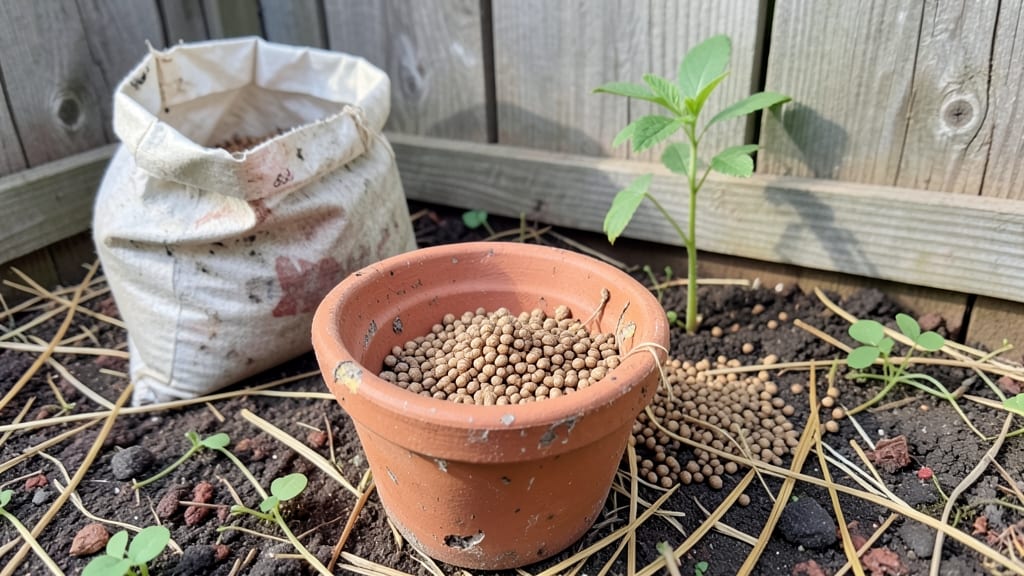
How much alfalfa seed costs depends on your purchase type: retail buyers pay $1.50–$5 per pound, while bulk buyers often secure prices between $0.80–$2.50 per pound. Organic varieties typically carry a 20–50% premium over conventional seeds due to certification and farming standards.
Alfalfa seed pricing shifts based on what you're buying and where.
Retail bags from garden centers or online stores tend to be pricier because they include packaging and overhead costs. 🌱 For larger quantities—like those needed for livestock feed or large-scale planting—buying in bulk from agricultural suppliers or cooperatives usually cuts costs significantly.
I've seen some farmers negotiate even lower rates by ordering directly from seed producers, especially during off-peak seasons when demand dips.
Another key factor is the seed's intended use. Certified organic seeds cost more because they meet stricter growing and processing standards, but they're often worth it if you're aiming for organic certification yourself. Non-certified seeds, while cheaper, might not perform as consistently in your specific climate or soil conditions.
💡 In This Article
- Factors Influencing Alfalfa Seed Pricing
- Where to Buy Alfalfa Seed for Best Value
Factors influencing alfalfa seed pricing
Alfalfa seed pricing fluctuates based on its seed grade classification, which determines purity, germination rate, and weed content. The highest grades, like Certified Seed, meet strict standards with 98-99% purity and 85-90% germination, justifying premium pricing.
Meanwhile, Common Seed grades may contain more impurities and lower viability, dropping prices by 30-50% but risking inconsistent yields. For example, a Certified Organic alfalfa seed might cost $4.50/lb while a conventional Common Grade could go for $1.80/lb. 💛
The organic certification process adds significant cost due to required documentation, soil testing, and non-synthetic farming practices. Organic alfalfa must be grown without prohibited substances for 3 years before certification, and testing for contaminants like glyphosate adds $0.50–$1.50/lb to production costs.
This explains why organic seeds often sell for 20-50% more than conventional varieties. For instance, a 50-lb bag of organic alfalfa might retail for $250 compared to $150 for conventional, even if both have similar germination rates.
Regional supply and demand create dramatic price swings. Western states like California and Idaho—major alfalfa producers—typically offer 10-20% lower prices due to high production volumes. Meanwhile, Northeastern buyers may pay 30-50% more during peak planting seasons (spring) when local supply dwindles.
Seasonal fluctuations also play a role: prices often peak in March-May when farmers rush to plant before summer heat, then drop 15-25% in late summer when new harvests enter the market. 🌱
Another critical factor is the seed's intended use. Livestock feed-grade alfalfa, which prioritizes yield over purity, costs $0.80–$1.80/lb in bulk, while horticultural varieties for gardens or hay may reach $3–$5/lb.
The difference stems from processing: feed-grade seeds undergo less rigorous cleaning to maximize quantity, while premium seeds are sorted for uniformity and appearance. For example, a 200-lb bulk order of feed-grade alfalfa might cost $160, while the same weight in premium organic seed could exceed $800.
Supplier location also impacts pricing through transportation costs. Shipping alfalfa seed from California to the Midwest adds $0.20–$0.50/lb due to fuel, labor, and packaging. Local cooperatives often mitigate this by offering regional sourcing, reducing costs by 10-15%.
For instance, a farmer in Iowa buying from a local co-op might pay $1.20/lb versus $1.80/lb for the same seed shipped from Idaho. This geographic pricing gap explains why bulk buyers benefit most from working with nearby suppliers. ✨
Finally, market conditions create unpredictable volatility. Droughts in major growing regions can spike prices by 50% or more, as seen in 2021 when California's alfalfa production dropped 20% due to water restrictions.
Conversely, oversupply years may push prices below $0.70/lb. Understanding these cycles helps buyers time purchases strategically—for example, waiting until late summer when harvests are abundant. 💫