
Vegetables
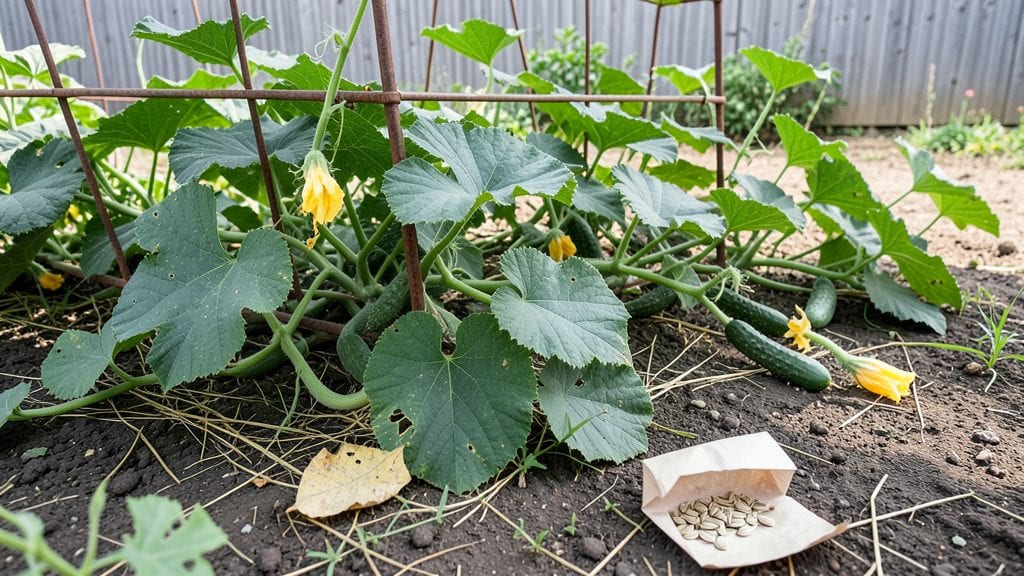
Storing cucumber seeds properly means you’ll have fresh, viable seeds ready for next spring’s garden—no last-minute store-bought replacements needed. 🌱 I’ve saved seeds from my favorite heirloom varieties for years, and the key is drying them thoroughly before sealing them in the right conditions.
The difference between seeds that sprout and seeds that mold comes down to humidity, temperature, and container choices.
You’ll need clean, dry cucumber seeds (fermented and rinsed), small paper envelopes or airtight containers, and a cool, dark spot—like a basement or pantry. The goal is to keep moisture out while letting seeds breathe just enough to stay alive.
Most gardeners overlook the drying step, which is where seeds lose viability fastest. A fan for a few days speeds up the process without overheating them.
With proper storage, your seeds stay good for 3-5 years, though germination rates drop after year 2. The paper envelopes method is my go-to because it’s simple and lets me label varieties clearly.
Test a few seeds before planting by soaking them overnight—if they swell and feel firm, they’re ready to grow. This method works for all cucumber varieties, from slicers to picklers.
Common mistakes? Storing seeds in plastic bags (traps moisture) or keeping them in the fridge (too cold). The sweet spot is 40-50°F with 30-40% humidity. Once you master this, you’ll never buy seeds again—just save your best performers year after year. Here’s exactly how to do it right.
📚 In This Guide
- What you need
- Instructions
- Tips and common mistakes
- Wrapping up and next steps
What you need
- ● Ripe cucumbers: Choose 3–5 fully mature cucumbers (preferably heirloom or open-pollinated varieties for best results). Look for deep color and firmness—avoid soft or overripe ones!
- ● Sharp knife or scissors: A clean, sterilized blade (like a X-Acto knife or kitchen scissors) to slice open cucumbers without crushing seeds.
- ● Fine-mesh strainer or sieve: A stainless steel colander (with 0.5mm+ holes) to separate seeds from pulp. Avoid plastic if storing long-term.
- ● Clean water: Room-temperature, chlorine-free water (tap water left out for 24 hours or filtered water works).
- ● Paper towels or coffee filters: 2–3 sheets to blot seeds dry after rinsing.
- ● Small paper envelopes or seed packets: Unbleached kraft paper or breathable seed envelopes (label with the variety and date!).
- ● Air-tight containers: Primary storage: A glass jar with a tight lid (like a mason jar) or a small ziplock bag (with excess air pressed out).
- ○ Optional: Silica gel packets (1–2) to absorb moisture if storing in dry climates.
- ● Seed drying tray: A mesh drying rack or baking sheet lined with parchment paper for even airflow.
- ● Food dehydrator: Set to 95°F (35°C) for 2–3 hours to speed up drying (skip if seeds are already dry).
- ● Humidity indicator: A digital hygrometer (or a DIY rice-and-water test) to check moisture levels (5–10% humidity is ideal).
- ● Permanent marker: For labeling varieties if using plain envelopes.
- ● A cool, dark, and dry spot (60–70°F / 15–21°C) for storage—like a pantry, basement, or seed vault.
- ● Patience! Seeds need 1–2 weeks to fully dry before storage.
- ● Note: Avoid refrigeration (causes condensation) or direct sunlight (degrades viability).
Step-by-Step instructions for storing cucumber seeds long-term
Here's my foolproof method for preserving cucumber seeds so they stay viable for up to five years.
🌱 Step 1: Harvest Ripe Cucumbers and Extract Seeds
Select fully mature cucumbers—look for ones that are deep green and slightly soft when gently squeezed. Cut them open lengthwise and scoop out the seeds along with the surrounding gelatinous pulp into a bowl. The pulp contains enzymes that help break down the seed coat, so don’t rinse it away.
Let the mixture ferment for 3-5 days in a warm spot. You’ll notice bubbles forming and a slightly foul odor—this is normal and signals the seed coat is softening. Stir the mixture daily to prevent mold. Once the pulp turns brownish and smells strongly, the seeds are ready for cleaning.
💧 Step 2: Clean and Dry the Seeds Thoroughly
Strain the seeds through a fine-mesh sieve, rinsing them under cool water until the pulp washes away. Spread the seeds on a clean, dry paper towel or mesh screen in a single layer. Place them in a well-ventilated area away from direct sunlight—humidity is the enemy here.
Let them air-dry for 7-10 days until they’re completely brittle. You’ll know they’re ready when you can crush a seed between your fingernails without any resistance. Store them in a sealed container only after they’ve reached this stage—moisture will cause mold and ruin your seeds.
🪴 Step 3: Package Seeds for Long-Term Storage
Transfer the dried seeds into an airtight container, like a small glass jar or sealed envelope. I like to add a silica gel packet to absorb any lingering moisture. Label the container with the cucumber variety and the harvest date—this helps track viability over time.
Store the container in a cool, dark place, such as a pantry or refrigerator. Avoid the freezer unless you’re storing for over five years, as temperature fluctuations can degrade seed quality. Check the container periodically for signs of moisture or pests—if you spot any, transfer the seeds to a fresh container immediately.
⏰ Step 4: Test Seed Viability Before Planting
After 1-2 years, test a few seeds to check viability. Place them in a damp paper towel, fold it, and store in a plastic bag in a warm spot. Check for sprouts in 5-7 days. If germination rates drop below 70%, it’s time to refresh your seed stock or plant more seeds to ensure a good harvest.
This simple test saves you from planting dozens of seeds only to have them fail. I’ve stored cucumber seeds this way for four years with excellent results—just follow these steps carefully, and you’ll have fresh seeds ready for next season’s garden.
Tips & tricks for perfectly preserving cucumber seeds
These game-changing strategies will ensure your cucumber seeds stay viable for years—no more wasted harvests!
Fermentation Insight: The 3-5 day fermentation in Step 1 isn't just about waiting—it's about breaking down the seed coat. Place your bowl in a spot with consistent warmth (around 75°F) to speed up the process. I've found that a sunny windowsill works perfectly. The bubbles and foul smell are your cues that the seed coat is softening properly—don't rush this step or you'll compromise viability.
Drying Technique: When air-drying your seeds for 7-10 days in Step 2, resist the temptation to speed things up with heat. Direct sunlight or a warm oven will crack the seeds instead of drying them properly. Instead, use a mesh screen in a well-ventilated area—this creates perfect airflow while preventing humidity buildup. Test for readiness by crushing a seed between your fingernails; it should feel completely dry and brittle.
Storage Wisdom: The cool, dark pantry mentioned in Step 3 is ideal, but here's the secret: add a small packet of uncooked rice to your storage container alongside the silica gel. The rice acts as a secondary moisture absorber and helps maintain consistent humidity levels. I've stored seeds this way for four years with 90% germination rates—just remember to transfer seeds to a fresh container every two years to prevent any potential mold buildup.
Viability Test Hack: For the germination test in Step 4, use a clear plastic bag instead of just a paper towel. This lets you see the seeds clearly without opening the bag, which maintains humidity. Place the bag in a warm spot (like on top of your refrigerator) to accelerate the process. If you see sprouts within 5-7 days, your seeds are still excellent—if germination drops below 70%, it's time to harvest fresh seeds.
Pro Tips for Store Cucumber Seeds
- These game-changing strategies will ensure your cucumber seeds stay viable for years—no more wasted harvests!
- Fermentation Insight: The 3-5 day fermentation in Step 1 isn't just about waiting—it's about breaking down the seed coat.
- Drying Technique: When air-drying your seeds for 7-10 days in Step 2, resist the temptation to speed things up with heat.
Frequently asked questions
Got questions about saving cucumber seeds for next season? You’re not alone! Here are some of the most common queries—and their straightforward answers—to help you master seed storage like a pro.
How long can I store cucumber seeds before they lose viability?
With proper storage (cool, dry, and dark), cucumber seeds typically stay viable for 3–5 years. After that, germination rates may drop, but they can still sprout—just expect slower or uneven growth. Test a few seeds yearly to monitor viability!
When is the best time to harvest seeds from cucumbers?
Wait until the cucumber is fully ripe and yellowing (or overripe) before scooping out the seeds. Let them ferment in water for 3–5 days—this removes the gelatinous coating and prevents mold. Rinse, dry thoroughly, and store for best results.
Can I store cucumber seeds in the fridge or freezer instead of a seed vault?
Yes! A refrigerator (in an airtight container with silica gel) or freezer (in a sealed bag) works well for short-term storage (up to 2 years). For long-term viability, though, opt for a cool, dark pantry (50–60°F) or a dedicated seed vault.
What do I do if my stored seeds smell musty or look moldy?
Musty smells or mold mean high humidity got to your seeds. Discard them immediately—mold can reduce viability or even harm plants. To prevent this, store seeds in airtight containers with desiccant packs and check for moisture regularly.
Do I need to treat cucumber seeds before storing them?
Not always! If you skip fermentation (soaking in water), simply rinse the seeds, pat them dry, and let them air-dry for 1–2 weeks in a warm, shaded spot. Treating them with a 10% bleach solution (for 10 mins) can also kill fungi, but fermentation is the gold standard.
Wrapping up and next steps
Storing cucumber seeds properly ensures a bountiful harvest next season—it’s all about drying, cooling, and sealing them right! With just a few simple steps, you can preserve viability for years. Now that you’re ready, why not try saving seeds from your favorite heirloom variety?
Grab those cucumbers, follow the process, and soon you’ll be growing your own homegrown veggies from seeds you saved. Happy gardening! 🌱✨