
Propagation
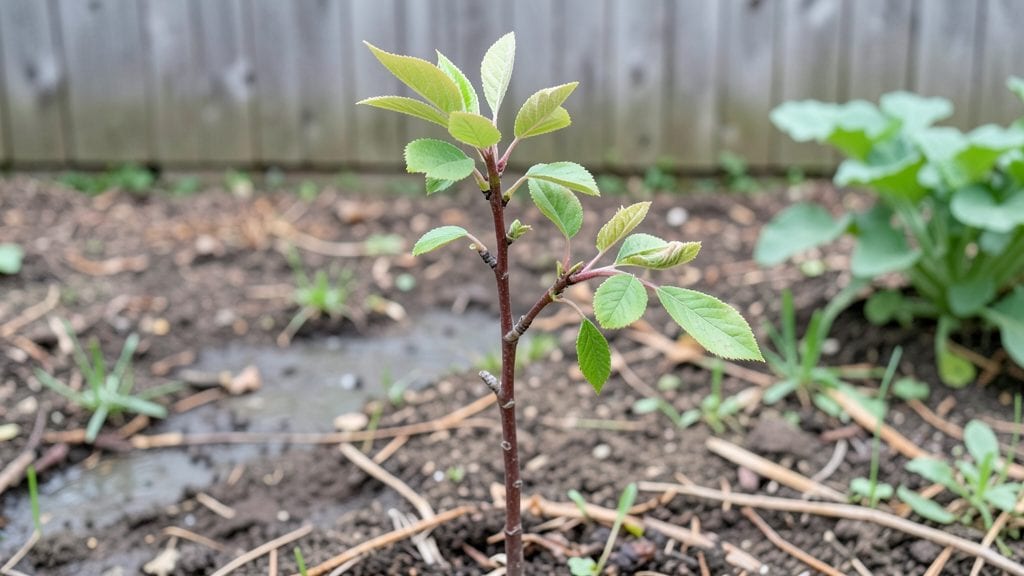
The identification of a cherry seedling can feel like solving a puzzle—especially when you're staring at a tiny sprout that could be a sweet cherry, a sour cherry, or something entirely different. 🌱 I’ve spent years growing from seed, and I’ve learned to spot the key differences that separate a future fruit tree from a wild sapling or a mislabeled nursery plant.
The first clues are in the leaves: true cherry seedlings have finely serrated edges and a slightly pointed tip, while wild cherries often have broader, more rounded leaves. Bark texture matters too—young sweet cherries develop a smooth, reddish-brown bark, whereas sour cherries stay greener longer.
I’ve also found that checking the seed source is just as important as what the seedling looks like.
Once you know what to look for, you’ll spot healthy seedlings easily—they’ll have vibrant green leaves, no strange spots or curling, and a sturdy stem. Diseased seedlings often show yellowing leaves, blackened stems, or slow growth.
With these visual cues, you’ll never again wonder if that little sprout is the start of something amazing or just a lookalike.
This works for backyard growers, homesteaders, or anyone curious about what’s growing in their yard. Let’s break down the visual clues so you can tell your future orchard from the wild stuff growing nearby.
Mistaken Seedling Identification Causes
When trying to identify cherry seedlings, confusion often arises from a mix of natural botanical traits, human error, and environmental factors. Understanding these causes helps you avoid mislabeling and ensures you grow the right variety. Here’s why it happens—and how to spot the red flags (literally!).
Cherry seedlings inherit traits from their parent trees, but without knowing the source, you might misjudge the variety. Many cherry species, like Prunus avium (sweet cherries) or Prunus cerasus (sour cherries), produce seedlings that don’t resemble the parent at all. Here’s why this happens:
- Genetic variability: Cherry trees are not true-to-type from seed. A seedling from a 'Bing' cherry tree could grow into a completely different variety with different fruit size, color, or even leaf shape.
- Hybridization risks: If nearby wild cherries or other stone fruits (like plums or peaches) cross-pollinate, seedlings may emerge with mixed traits, making identification nearly impossible.
- Seed source confusion: Purchasing seeds from unknown suppliers or harvesting them from grocery store cherries (often hybrids) guarantees unpredictability.
Actionable fix: If you want a specific cherry variety, buy grafted trees instead of growing from seed. For seedlings, focus on morphological traits (leaf shape, bark texture, flower structure) rather than assuming the fruit will match the parent.
Cherry seedlings can look deceptively similar to other fruit trees or even weeds in their early stages. Common oversights include:
| Trait | Why It’s Misjudged | How to Correctly Identify |
|---|---|---|
| Leaf shape | Young cherry leaves resemble those of plums, peaches, or even black cherry saplings. Without close inspection, you might confuse them. | Look for serrated edges (tiny teeth along the leaf margin) and a pointed tip. Sweet cherries have elliptical leaves, while sour cherries are more oval. |
| Bark texture | Smooth, reddish bark in young trees is common across many stone fruits, leading to misidentification. | Cherry bark often develops horizontal lenticels (tiny raised dots) as it matures. Compare with known samples. |
| Flower structure | Cherry blossoms are iconic, but early blooms can be mistaken for ornamental trees like Prunus serrulata (Japanese cherry). | True cherry flowers have 5 petals and appear in clusters before leaves emerge. Sour cherries often have double flowers (more petals). |
| Fruit characteristics | Seedlings may not produce fruit for 3–5 years, leaving you to guess based on foliage alone. | If fruit appears, note stone shape (cherries have a flat, heart-shaped pit) and fruit attachment (cherries grow singly, not in clusters like some plums). |
Pro tip: 🔍 Use a hand lens to examine leaf veins, bud arrangement, and bark details. Take photos at each growth stage to track changes.
Stress from pests, disease, or poor growing conditions can alter a cherry seedling’s appearance, making it look like a different species. Common culprits:
- Leaf curl disease: Caused by viruses or fungal infections, this makes leaves thick, puckered, or distorted, resembling non-cherry varieties.
- Spider mites or aphids: These pests cause yellowing, stippling, or curled leaves, masking true cherry traits.
- Nutrient deficiencies: Lack of nitrogen (yellow leaves) or magnesium (interveinal chlorosis) can make seedlings look unhealthy or "off."
- Herbicide drift: If nearby lawns are treated, seedlings may develop stunted growth or malformed leaves, confusing identification.
Actionable fix: Isolate seedlings in a pest-free greenhouse or use organic neem oil to prevent infestations. Compare stressed seedlings to healthy reference samples to distinguish natural traits from damage.
Cherry "varieties" (cultivars) are often bred for specific traits, but their seedlings revert to wild-type characteristics. Here’s how names trip people up:
- Trade names vs. botanical names: A 'Rainier' cherry (a sweet cultivar) may produce seedlings that look nothing like the parent’s large, red fruit. The seedling could default to a smaller, tart wild cherry type.
- Hybrid labels: Names like 'Stella' or 'Montmorency' (sour cherries) don’t guarantee the seedling will retain sourness or fruit quality.
- Regional slang: Terms like "black cherry" or "wild cherry" can refer to Prunus serotina (not edible) or Prunus avium (sweet), leading to mix-ups.
Pro tip: 📚 Keep a field guide handy (e.g., Prunus species keys) and cross-reference traits with reputable databases like the USDA Plant Database.
By recognizing these common pitfalls, you’ll sharpen your ability to accurately identify cherry seedlings—whether you’re growing them for fruit, ornamentals, or scientific study. Next, we’ll dive into how to verify your findings with foolproof methods.
Fixing Common Cherry Seedling Mistakes
Mistakenly identifying or mishandling cherry seedlings can be frustrating, but most issues have straightforward fixes. Below, we’ve mapped out the most common problems—from misidentification to poor growth—and provided clear, actionable solutions.
Whether you’re dealing with false positives, disease signs, or slow development, these steps will help you correct the issue and prevent future headaches.
If you’re unsure whether your seedling is a true cherry (sweet, sour, or tart) or a lookalike, follow these steps to verify its identity:
🌱 Step 1: Check Leaf Shape and Arrangement
- True cherries have alternate leaves (one leaf per node) with serrated edges and a smooth, slightly waxy surface.
- False positives (like chokecherries or wild plums) often have opposite leaves or deeply lobed edges.
- Pro tip: 💡 Hold the stem up to light—true cherry leaves will have a subtle midrib (central vein) that’s slightly raised.
🍒 Step 2: Examine the Fruit (If Available)
- Sweet cherries (e.g., Bing, Rainier) have bright red/yellow fruit with a smooth skin.
- Sour/tart cherries (e.g., Montmorency) are smaller, darker red, and often have a sour taste when ripe.
- Chokecherries (not true edible cherries) have a bitter taste and tiny, clustered fruit.
- Prevention tip: ✨ If sourcing seeds, buy from reputable nurseries that specify the variety—this avoids guesswork later.
🌿 Step 3: Root and Stem Inspection
- True cherry seedlings should have a thick, woody taproot (if young) and a smooth, reddish-brown bark as they mature.
- Diseased or hybrid seedlings may show cracked bark, black spots, or unusual growth patterns.
- Fix: 🔥 If the stem is damaged, prune it back to healthy tissue (just above a leaf node) and treat with copper fungicide to prevent rot.
If your cherry seedling is slow to grow or appears weak, the issue is likely environmental or nutritional. Here’s how to turn it around:
💧 Step 1: Assess Watering Practices
- Overwatering causes yellow leaves and root rot (mushy, black roots).
- Underwatering leads to crispy edges and drooping leaves.
- Fix: 🌡️ Water deeply 1-2 times per week, ensuring the top 2 inches of soil are dry before rewatering.
Use a well-draining mix (50% potting soil, 30% perlite, 20% compost).
☀️ Step 2: Optimize Light Exposure
- Cherry seedlings need 6-8 hours of sunlight daily.
Too little light = leggy, pale stems. - Too much direct sun (especially in hot climates) can scorch leaves. - Fix: 🌿 Move seedlings to a bright, indirect spot (like a south-facing window) or use shade cloth (30-50%) if outdoors.
🍽️ Step 3: Fertilize Correctly
- Nitrogen deficiency (yellow lower leaves) = Needs more balanced fertilizer (10-10-10 ratio).
- Over-fertilizing = Burned roots (brown leaf tips).
- Fix: 💪 Use a slow-release fertilizer in spring and early summer. Dilute liquid fertilizers to half-strength to avoid shock.
If your seedling shows signs of fungus, bacteria, or pests, act fast to save it:
🍄 Fungal Issues (Powdery Mildew, Leaf Spot)
- Symptoms: White powdery coating, brown spots, or leaf drop.
- Fix:
- 🔪 Prune infected leaves immediately.
- 🧴 Spray with neem oil or baking soda solution (1 tsp baking soda + 1 quart water + a drop of dish soap).
- Prevention tip: 🌡️ Improve airflow by spacing seedlings 12+ inches apart and avoid overhead watering.
🐜 Pest Infestations (Aphids, Spider Mites)
- Symptoms: Sticky residue (honeydew), tiny webs, or chewed leaves.
- Fix:
- 🚿 Blast pests off with a strong stream of water.
- 🍃 Apply insecticidal soap or horticultural oil every 5-7 days until gone.
- Pro tip: 🎯 Introduce ladybugs (natural predators) to your garden for long-term control.
🐛 Root Rot (Mushy, Smelly Roots)
- Symptoms: Wilting despite watering, blackened roots.
- Fix:
- 🔄 Repot the seedling in fresh, sterile soil and trim away mushy roots with sterilized scissors.
- 🌱 Hold off on watering for 3-5 days to let roots recover.
- Prevention tip: 🌱 Use pots with drainage holes and avoid soggy soil.
To keep your cherry seedlings thriving:
- Label everything! 📝 Use plant tags with the variety name and date planted.
- Test soil pH (cherries prefer 6.0-6.5
- Mulch lightly (1-2 inches) to retain moisture and suppress weeds, but keep mulch away from the stem.
- Monitor for cross-pollination—if growing multiple varieties, ensure they’re compatible to avoid poor fruit set.
With these fixes, your cherry seedlings should be on the fast track to healthy growth. Remember, patience is key—cherry trees take 3-5 years to bear fruit, but proper care now ensures a bountiful harvest later! 🍒🌳
Frequently asked questions
How can I tell if a young seedling is a cherry tree?
Look for serrated leaf edges and alternate leaf arrangement—true cherry seedlings have finely toothed leaves with a pointed tip. Sweet cherries develop elliptical leaves, while sour cherries have oval-shaped leaves. Check for horizontal lenticels on the bark as it matures.
Why do cherry seedlings look so different from the parent tree?
Cherry trees aren’t true-to-type from seed! A seedling from a 'Bing' cherry might grow into a completely different variety with smaller fruit or even wild-type traits. This genetic variability is why nurseries sell grafted trees instead of seedlings for consistent results.
Can I grow a sweet cherry tree from a grocery store cherry pit?
Probably not reliably. Store-bought cherries are often hybrids, and their seedlings may produce small, tart fruit or even inedible varieties. For predictable sweet cherries, buy seeds from reputable nurseries or plant grafted trees.
How do I know if my seedling is diseased instead of just a different variety?
Watch for yellowing leaves, black spots, or stunted growth—these often signal disease. Healthy seedlings should have vibrant green leaves and steady growth. If in doubt, compare it to a known healthy cherry sapling.
What’s the fastest way to confirm a cherry seedling’s identity?
Use a hand lens to examine leaf veins, bark texture, and bud patterns. For definitive confirmation, consult a botanical field guide or submit a sample to your local cooperative extension service. Photos at different growth stages also help track development.