
Lawn
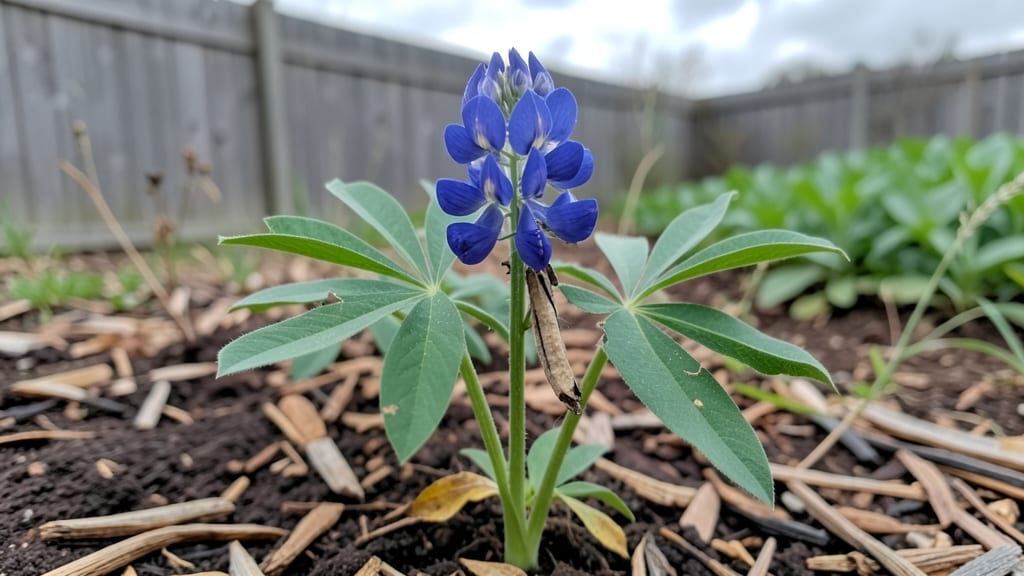
To identify seed pods, look closely at their shape, texture, and the plant they grow on—legumes (like peas and beans), capsules (such as poppies), and follicles (found in milkweed) each have unique structures and seed-release methods.
Seed pods reveal fascinating clues about how plants reproduce and disperse their offspring. Legumes split open along two seams, while capsules burst dramatically or release seeds through pores—these traits evolved to maximize survival in different environments. 🌱 For example, milkweed's follicles contain fluffy seed tufts designed to hitch rides on animals, while pea pods simply split to drop seeds nearby.
Understanding these variations helps gardeners and botanists predict plant behavior and even identify unknown species by their reproductive structures.
💡 In This Article
- Seed Pod Morphology: Shape, Texture, and Opening Types
- Common Seed Pods by Plant Family and Growth Habits
Seed pod morphology: shape, texture, and opening types
The shape of a seed pod isn't random—it's an evolutionary adaptation for survival. Take dehiscent pods, which split open to release seeds when mature. The pea pod, for example, splits along two seams because this mechanism protects seeds from drying out while ensuring they land near the parent plant.
In contrast, indehiscent pods like dandelion seeds stay closed but develop specialized structures (e.g., fluffy tufts) to catch wind currents. These designs reflect how plants balance seed protection with dispersal strategies.
Texture plays a critical role too. Woody pods, such as those from hickory trees, develop thick walls to withstand harsh conditions and protect seeds through winter.
Meanwhile, papery pods like those of poppies are thin and delicate, designed to burst open with a single touch—releasing seeds in a dramatic display. Even fleshy pods, like tomatoes, prioritize seed dispersal by attracting animals that consume the fruit and later excrete the seeds far away.
The texture often correlates with the pod's moisture content and the environment where the plant thrives.
Opening mechanisms are equally fascinating. Some pods, like jewelweed, use explosive dehiscence—building up pressure until they catapult seeds up to 20 feet away. Others, like milkweed follicles, rely on wind to carry seeds equipped with silky hairs.
Even the timing matters: certain pods only open when humidity drops, ensuring seeds disperse during dry spells when competitors are less likely to thrive. These adaptations highlight how plants have evolved to outsmart their environments.
Consider the legume family, where pods often curve or twist as they dry—a trait that helps seeds escape the parent plant. In contrast, capsules (like those of lilies) may have pores that gradually release seeds over time.
The key factor is always the same: maximizing the chances of seeds reaching suitable growing conditions. For example, wind-dispersed pods develop lightweight structures, while animal-dispersed pods might have hooks or sticky surfaces to attach to fur or clothing.
Even the size of a pod offers clues. Tiny pods, like those of mustard plants, produce hundreds of seeds to compensate for their small stature, while larger pods (e.g., lupines) contain fewer but more robust seeds.
This variation reflects the plant's reproductive strategy—whether it's betting on quantity or quality. For instance, orchid pods release seeds so fine they resemble dust, relying on sheer numbers to ensure survival in competitive ecosystems.
What most people don't realize is how texture and shape work together. A leathery pod, like those of holly berries, resists decomposition longer, protecting seeds until the right conditions arise. Meanwhile, velvety pods (e.g., mallow) might trap moisture to keep seeds viable during dry periods.
These dual adaptations show how plants optimize for both protection and dispersal—often in ways that surprise even seasoned botanists. 🌿