
Flowers
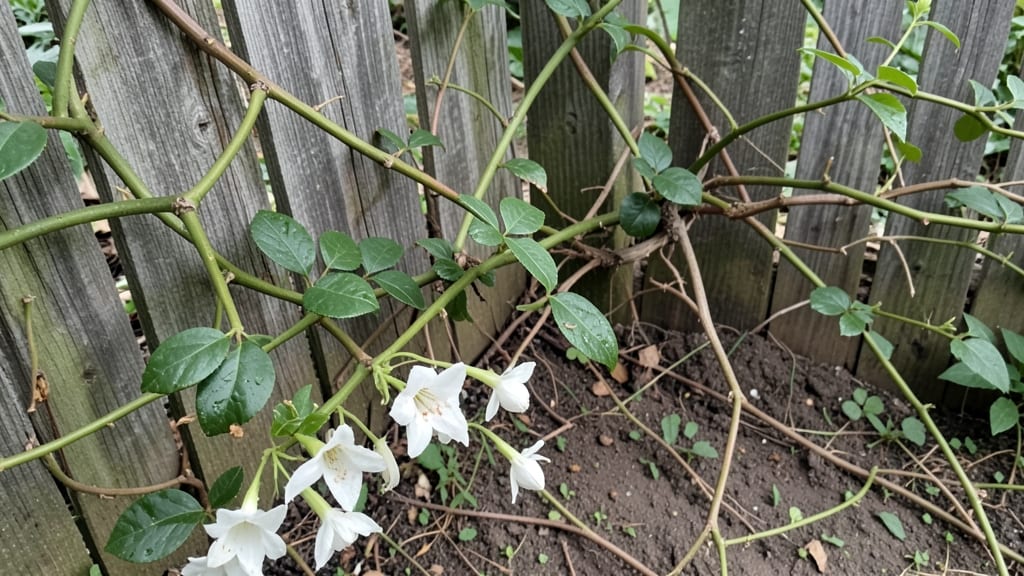
Growing jasmine flowers from seeds lets you wake up to that signature sweet scent in just two months. ✨ My first batch of star jasmine sprouted in my kitchen windowsill, and now I’ve got climbing vines covering my trellis—all from a packet of seeds I bought for $3.
The secret isn’t fancy equipment; it’s knowing when to soak those tiny seeds and how to keep them cozy until they pop.
Most people quit before germination because it takes patience—sometimes up to 30 days for those little seeds to crack open. But once they do, you’ll see tiny leaves unfurl within a week.
I use a mix of potting soil and perlite to keep roots breathing, and a spray bottle for watering so I don’t drown them. Star jasmine and Confederate jasmine are the easiest varieties for beginners, and they’ll reward you with fragrant blooms faster than cuttings ever would.
By week 8, you’ll be pinching back new growth to encourage bushier plants, and by summer, those vines will be heavy with intoxicating white or yellow flowers. The scent alone makes it worth the wait—imagine walking past your porch and being hit with that classic jasmine perfume.
This is how you turn a $3 seed packet into a living fragrance factory.
Works for both trellises and containers, and thrives in zones 7-10. Even if you’ve killed houseplants before, jasmine seeds give you a second chance to get it right. Let’s get those seeds sprouting!
Root Causes Of Seed Struggles
Understanding why jasmine seeds fail to germinate or thrive is the first step toward success. Let’s break down the key scientific reasons behind common seed-related setbacks—so you can fix them before they derail your fragrant garden dreams.
Jasmine seeds (Jasminum spp.) are dormant by nature, meaning they need specific triggers to break their resting state and sprout. If your seeds aren’t germinating, these factors are likely to blame:
- 🌡️ Temperature Mismatch Most jasmine varieties thrive in warmth (70–85°F or 21–29°C) for germination. Cool soil (<60°F or 15°C) slows or halts growth. Solution: Use a seedling heat mat or place trays near a sunny window (not direct sunlight yet).
- 💧 Inconsistent Moisture Seeds need constant dampness (not soggy) to absorb water and activate enzymes. Overwatering can suffocate them, while dryness halts progress. Solution: Mist seeds lightly daily or use a spray bottle to keep soil evenly moist (like a wrung-out sponge).
- 🌱 Lack Of Light (At The Right Time) Some jasmine seeds require light to germinate (a process called photoblastic germination).
Planting too deep (over ¼ inch) blocks light. Solution: Press seeds lightly into moist soil (no burial) or use a clear plastic dome to trap humidity while allowing light.
Not all jasmine seeds are created equal—some may be old, damaged, or improperly stored, reducing their chance of success.
- 📅 Age Of The Seeds Jasmine seeds lose viability quickly—some varieties stay viable for only 1–2 years if stored improperly. Solution: Buy fresh seeds (check the packet date) or harvest them yourself from healthy plants in early fall.
- 🦠 Fungal Or Bacterial Infection Moldy, discolored, or soft seeds are often infected. Solution: Before planting, soak seeds in a 1:10 hydrogen peroxide solution (3%) for 10 minutes, then rinse thoroughly.
- 🥚 Improper Harvesting If you’re collecting seeds from your own jasmine, green, unripe pods won’t germinate. Only brown, dry pods (fully mature) should be used. Solution: Let pods dry on the plant, then extract seeds and store them in a cool, dark, dry place (paper envelope, not plastic).
Even if seeds sprout, poor soil quality can stunt growth or kill seedlings before they take root.
- ⚖️ Compacted Or Heavy Soil Jasmine prefers well-draining, airy soil. Clay or compacted soil suffocates roots and causes rot or slow growth. Solution: Mix sand or perlite into garden soil (or use a 50/50 potting mix + coco coir blend).
- 🧪 Lack Of Essential Nutrients Seedlings need phosphorus (for roots) and nitrogen (for leaves), but many soils lack these. Solution: Use a balanced fertilizer (10-10-10) at half-strength once true leaves appear (not at planting).
- 🍄 Overuse Of Chemicals Pesticides or fungicides in soil can kill beneficial microbes seeds rely on. Solution: If repurposing containers, sterilize with boiling water or hydrogen peroxide spray before planting.
Tiny invaders can devour seeds or seedlings before they establish themselves.
- 🐜 Fungal Diseases (Powdery Mildew, Damping Off) Overly moist conditions breed fungi that rot stems at the soil line. Solution: Water at soil level (not overhead), and treat with neem oil spray if mold appears.
- 🐜 Insect Pests (Aphids, Spider Mites, Cutworms) Seedlings are vulnerable to chewing insects. Solution: Use row covers or insecticidal soap (like Safer® Brand) for organic protection.
- 🐛 Rodent Or Bird Damage Some gardeners report squirrels or birds digging up seeds. Solution: Plant in mesh-covered trays or use cayenne pepper spray as a deterrent.
Even with perfect seeds, external factors can sabotage growth.
- 🌪️ Temperature Fluctuations Jasmine seeds hate cold drafts or sudden heat spikes (like near a heater). Solution: Keep seedlings in a consistently warm (70°F+) spot until transplanting.
- 💨 Poor Air Circulation Stagnant air traps humidity, promoting mold. Solution: Place a small fan on low near seedlings (but not directly blowing on them).
- 🌿 Transplant Shock Moving seedlings too soon or too roughly damages roots. Solution: Harden off seedlings gradually (1 week outdoors in shade) before full transplant.
💡 Pro Tip: Keep a germination journal—track temperature, moisture, and light daily to spot patterns if seeds still fail. Many gardeners adjust one variable at a time (e.g., warmth first, then light) to isolate the issue.
Fixing Common Growing Problems
Growing fragrant jasmine from seeds can be incredibly rewarding, but even experienced gardeners occasionally encounter issues like slow germination, weak seedlings, or pests. The good news? Most problems have simple, practical solutions. Below, we’ve mapped common causes to fixes—plus prevention tips to keep your jasmine thriving.
Cause: Seeds may struggle to sprout due to improper moisture, temperature, or dormancy. Fix:
- Soak seeds overnight 💧 before planting to soften the hard outer shell.
- Use a heat mat (70–80°F) to mimic tropical conditions—jasmine seeds germinate faster in warmth.
- Plant shallowly (¼ inch deep) in well-draining soil to prevent rot.
- Keep humidity high with a plastic dome or damp paper towel over the tray.
Prevention Tip: ✨ Test seed viability by floating them in water—sinkers are likely viable!
Cause: Insufficient light or overcrowding causes spindly, weak growth. Fix:
- Move seedlings to a south-facing window or under grow lights (12–14 hours/day).
- Thin seedlings to 2 inches apart to reduce competition for nutrients.
- Fertilize lightly with a balanced liquid fertilizer (diluted to half-strength) once true leaves appear.
Prevention Tip: 🌡️ Start with a seedling heat mat to encourage sturdy root development early on.
Common pests: Aphids, spider mites, or whiteflies. Fix:
- Blast off pests with a strong spray of water (early morning works best).
- Apply neem oil (mix 1 tbsp with 1 quart water + a drop of dish soap) as a natural repellent.
- Introduce beneficial insects like ladybugs or lacewings for long-term control.
Prevention Tip: 🎯 Inspect new plants before bringing them indoors—quarantine for a week if needed!
Cause: Too much water, poor drainage, or lack of nutrients. Fix:
- Check soil moisture—jasmine prefers soil to dry slightly between waterings.
- Repot in well-draining mix (add perlite or sand if soil is heavy).
- Fertilize monthly with a balanced bloom booster (e.g., 10-10-10) during growing season.
Prevention Tip: 💡 Use a moisture meter to avoid guesswork—jasmine hates soggy roots!
Cause: Insufficient light, pruning at the wrong time, or lack of nutrients. Fix:
- Prune after flowering (late winter/early spring) to encourage new growth.
- Ensure 6+ hours of sunlight daily—jasmine needs bright light to bloom.
- Feed with phosphorus-rich fertilizer (like 5-10-5) in spring to promote flowers.
Prevention Tip: 🌿 Pinch back tips of young plants to encourage bushier, flower-producing growth.
Bonus Pro Tip: 🌿 If your jasmine is slow to bloom, try a cool night trick—drop temps to 55–60°F for a few weeks to mimic seasonal changes and trigger flowering.
With these fixes, your jasmine seeds should grow into fragrant, flower-filled vines in no time! 🌺✨
Frequently asked questions
How long does it take for jasmine seeds to germinate?
Most jasmine varieties sprout within 2-4 weeks, though some stubborn seeds may take up to 30 days. Star jasmine and Confederate jasmine are the fastest, often popping up in 10-14 days with proper warmth (70-85°F) and moisture. Patience is key—keep soil consistently damp (not soggy) and use a heat mat if your home stays cool.
Can I grow jasmine from seeds indoors?
Start seeds in 4-inch pots with well-draining soil (50% potting mix + 50% perlite). Place near a south-facing window or under grow lights (12-14 hours/day). Once seedlings have 3-4 true leaves, transplant to larger containers or your garden. Just avoid cold drafts—they hate temperatures below 60°F.
Why aren't my jasmine seeds sprouting?
Common culprits: old seeds (jasmine seeds lose viability in 1-2 years), improper moisture (too dry or waterlogged), or incorrect planting depth (press seeds ¼ inch deep, not buried). Try soaking seeds overnight in warm water first, then use a heat mat to mimic tropical conditions. If they still refuse to sprout, test viability by floating them—sinkers are good, floaters are likely dead.
What's the best soil mix for jasmine seedlings?
Jasmine thrives in light, airy soil that drains well. Mix 50% potting soil with 50% perlite or coarse sand to prevent root rot. Add a handful of worm castings for nutrients, but avoid heavy garden soil—it compacts and suffocates delicate roots. For containers, ensure pots have drainage holes to avoid soggy soil.
How do I encourage faster flowering?
Give your jasmine 6+ hours of sunlight daily and pinch back new growth when plants reach 6 inches tall to promote bushiness. Feed with a phosphorus-rich fertilizer (5-10-5) in spring, then reduce water slightly in late summer to stress the plant (this triggers blooming). For indoor plants, try a cool night trick: drop temps to 55-60°F for 2-3 weeks to mimic seasonal changes.