
Lawn
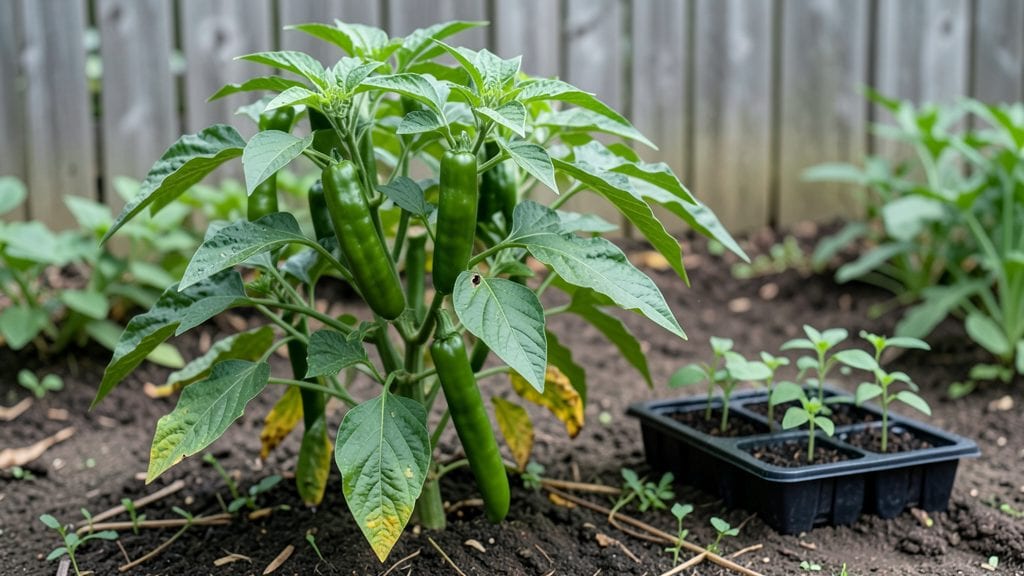
Growing mammoth jalapeño seeds unlocks peppers that defy expectations—imagine foot-long fireworks instead of tiny grocery-store pods. 🌱 I’ve grown these monsters for three seasons now, and the secret isn’t just patience—it’s matching their massive appetite for heat, space, and nutrients with the right timing.
Most gardeners assume bigger peppers mean more work, but these actually thrive when treated like the heavyweights they are.
The key starts with soil that won’t compact around their deep roots—think 50% compost mixed into garden beds or a 20-gallon container for smaller spaces. They crave full sun (8+ hours daily) and water that keeps the soil moist but never soggy, especially as they near harvest.
A balanced fertilizer every 4-6 weeks keeps them growing instead of struggling, and staking becomes non-negotiable once they hit 3 feet tall.
By midsummer, you’ll spot those signature 3-inch-long, blocky pods turning from green to red, and the heat level? A solid 5,000-10,000 SHU—enough to make your mouth tingle but not wipe you out.
The real magic happens when you slice one open: the flesh stays thick and meaty, perfect for stuffing, drying, or freezing. These aren’t just showstoppers; they’re the workhorses of your kitchen garden.
Here’s the twist: they take 90-120 days to mature, so start seeds indoors 8-10 weeks before your last frost—or buy transplants if you’re impatient. The payoff? A single plant can yield 20+ peppers, and the neighbors will ask how you grew them so big.
Ready to turn your garden into a pepper powerhouse?
📚 In This Guide
- What you need
- Instructions
- Tips and common mistakes
- Wrapping up and next steps
What you need
- ● Mammoth jalapeño seeds – 5-10 seeds (or 1-2 plants if buying seedlings). Look for Capsicum annuum varieties labeled "mammoth" or "giant."
- ● High-quality potting mix – 5-10 gallons (well-draining, organic blend with perlite or vermiculite). Avoid garden soil—it’s too dense!
- ● Containers or garden beds – For containers: 5-gallon pots or larger (at least 12" deep) with drainage holes.
- ● For in-ground: Full sun (6+ hours/day), loose, fertile soil with a pH of 6.0–7.0.
- ● Fertilizer – Balanced organic fertilizer (10-10-10 or 5-5-5) for seedlings.
- ● High-phosphorus fertilizer (e.g., 3-4-6) when flowering/fruiting.
- ● Watering can or hose with nozzle – For gentle, deep watering (avoid soggy soil!).
- ○ Grow lights (optional but helpful) – If starting indoors, use LED grow lights 12–16 inches above seedlings (14–16 hours/day).
- ● Seed-starting trays – 72-cell trays for germinating seeds indoors.
- ● Heat mat – Keeps soil warm (75–85°F) to speed up germination.
- ● Trellis or stakes – Supports heavy peppers (3–5 ft tall plants may need help!).
- ● Mulch – Straw or shredded leaves to retain moisture and suppress weeds.
- ● Pruning shears – For trimming leggy growth or dead leaves.
- ● pH test kit – Ensures soil stays in the ideal range (6.0–7.0).
Step-by-step instructions for growing mammoth jalapeños
Here’s how to coax those massive peppers from seed to harvest—my foolproof method for growing peppers that rival your forearm.
🌱 Step 1: Start Seeds Indoors with Precision Timing
Begin seeds 8-10 weeks before your last frost date, using 70-80°F warmth for consistent germination. I swear by a seedling heat mat—without it, germination can drag into 2-3 weeks instead of the usual 7-14 days. Fill small pots with sterile seed-starting mix (not garden soil) and press seeds ¼ inch deep—any deeper, and they’ll struggle to reach light.
Cover the tray with plastic wrap to trap humidity, then place under a grow light immediately. Mammoth Jalapeños need light from day one to avoid leggy seedlings. Watch for the first true leaves (not the initial seed leaves)—that’s when you’ll know they’re ready to transition to individual pots.
☀️ Step 2: Harden Off and Transplant for Maximum Growth
Two weeks before transplanting, move seedlings outdoors for 1-2 hours daily, gradually increasing exposure. I start with a shady spot and slowly introduce morning sun. Mammoth Jalapeños need full sun (6-8 hours daily), but sudden full exposure will scorch tender leaves. Transplant after all frost risk has passed and soil is at least 65°F.
Dig holes twice as wide as the root ball to encourage root spread. Space plants 18-24 inches apart—crowding stresses the plants and limits fruit size. Water deeply at transplanting to settle soil around roots, then let the top inch dry before watering again. Overwatering now will drown the roots before they establish.
💧 Step 3: Feed and Water for Monster Peppers
Fertilize with a balanced 10-10-10 or 5-5-5 formula when flowers appear, then switch to a low-nitrogen, high-phosphorus (5-10-10) feed once fruit sets. I mix fertilizer into the soil at planting, then top-dress monthly. Mammoth Jalapeños thrive with 1-1.5 inches of water weekly, but let soil dry slightly between waterings—peppers hate soggy roots.
Mulch with 2-3 inches of organic mulch to retain moisture and prevent soil-borne diseases. Watch for the first flowers—these will develop into your giant peppers. If you notice yellowing leaves, it’s usually a sign of overwatering or nutrient deficiency. Adjust watering and feed with a diluted fish emulsion to boost micronutrients.
✂️ Step 4: Prune and Support for Giant Fruit
Prune suckers (the shoots that grow in the leaf axils) to direct energy into fruit production. I remove all but the top two main stems—this ensures the plant puts its energy into growing fewer, larger peppers. Install sturdy cages or stakes at planting to support the heavy fruit. Mammoth Jalapeños can weigh over 1 pound each, so flimsy supports will snap under the weight.
Harvest when peppers reach 6-8 inches long and are firm to the touch. Use pruning shears to cut stems, leaving a small portion attached. The longer you leave them on the plant, the hotter they’ll get—harvest early for milder, sweeter peppers. Store in a cool, dark place for up to 2 weeks, or freeze for later use.
Tips & tricks for growing mammoth jalapeños
Between us, growing mammoth jalapeños isn't just about planting seeds—it's about creating the perfect conditions for these giants to thrive. Here's what nobody tells you about maximizing your harvest.
The Heat Factor: That 70-80°F warmth during germination isn't just a suggestion—it's non-negotiable for consistent results. I've seen seeds take 2-3 weeks to sprout when kept at room temperature (around 65°F) instead of the usual 7-14 days. Consider a seedling heat mat your best friend during this critical phase.
Lighting Strategy: Mammoth jalapeños need light from day one to prevent leggy seedlings. If you're using natural light, place your seedlings on a sunny windowsill facing south. For best results, though, invest in a grow light—these peppers need 14-16 hours of light daily to develop properly. The moment you see those first true leaves (not the initial seed leaves), it's time to transition to individual pots.
Transplanting Wisdom: When you're ready to transplant after those 1-2 hours daily of hardening off, don't rush the process. The soil must be at least 65°F—any cooler and your plants will go into shock. Dig holes twice as wide as the root ball to encourage those roots to spread out. I've learned the hard way that crowded plants produce smaller fruit, so give them that 18-24 inches of space.
Watering Secret: The key to watering mammoth jalapeños is consistency. Aim for 1-1.5 inches weekly, but let the top inch of soil dry between waterings. I use a moisture meter to check—peppers hate soggy roots, but they also need steady moisture to develop those massive fruits. Mulch with 2-3 inches of organic material to help maintain even moisture levels and prevent soil-borne diseases.
Pro Tips for Mammoth Jalapeno Seed
- Between us, growing mammoth jalapeños isn't just about planting seeds—it's about creating the perfect conditions for these giants to thrive.
- The Heat Factor: That 70-80°F warmth during germination isn't just a suggestion—it's non-negotiable for consistent results.
- Lighting Strategy: Mammoth jalapeños need light from day one to prevent leggy seedlings.
Frequently asked questions
Got questions about growing mammoth jalapeño peppers from seed?
You’re not alone! Here are the most common queries—plus expert answers to help you grow the biggest, spiciest peppers in your garden.
How long does it take for mammoth jalapeño seeds to germinate?
Most mammoth jalapeño seeds sprout within 7–21 days when kept in warm (70–85°F), moist soil. Use a heat mat if your home runs cool—consistency is key! Patience pays off, but if nothing emerges after 3 weeks, try replanting fresh seeds.
When is the best time to plant mammoth jalapeño seeds indoors vs. outdoors?
Start seeds 8–10 weeks before your last frost date indoors under grow lights. Transplant seedlings outdoors after soil warms to 60°F+ and nighttime temps stay above 50°F. Mammoth jalapeños thrive in long, hot summers—aim for late spring!
Can I grow mammoth jalapeños in containers? What size pot do I need?
These peppers need 5-gallon pots minimum (bigger = better). Use lightweight potting mix with excellent drainage, and place containers in full sun (6+ hours daily). Just ensure pots have sturdy handles—they’ll get heavy with fruit!
Why aren’t my mammoth jalapeño plants producing peppers?
Common culprits: not enough sunlight (they need 8+ hours daily), overcrowding (space plants 18–24” apart), or nutrient deficiencies (feed weekly with balanced fertilizer). Check for pests too—aphids and spider mites love pepper plants!
Are mammoth jalapeños hotter than regular jalapeños?
Not necessarily! Heat depends on ripeness and growing conditions, not size. Mammoth jalapeños pack similar Scoville heat (2,500–8,000 SHU) as standard ones but offer bigger, meatier walls for cooking. For extra kick, let them ripen fully on the vine!
Pro Tip:
Struggling with slow growth? Mammoth jalapeños love compost-rich soil. Mix in aged compost or worm castings at planting time for a juicy, high-yielding harvest.
Wrapping up and next steps
Growing a Mammoth Jalapeño from seed is a rewarding adventure that combines patience, care, and a little bit of spice! 🌱 With the right soil, sunlight, and pruning techniques, you can unlock the potential of these giants—peppers that could reach up to 12 inches long.
Whether you're a seasoned gardener or a curious beginner, the key is consistency and confidence in your green thumb.
Ready to take the next step? Start small: plant those seeds today, and soon you’ll be harvesting homegrown heat (and bragging rights) like never before. Happy growing! 🌶️✨