
Lawn
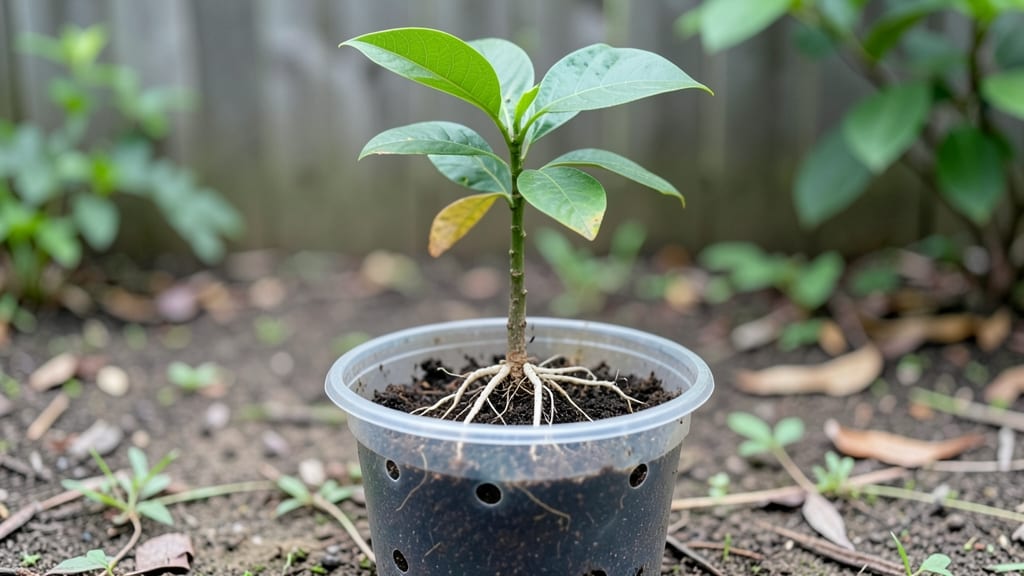
Growing a mango seed root isn’t just possible—it’s shockingly fast when you use the right trick. 🌱 I’ve rooted dozens of seeds this way, and the key is getting that seed to sprout within 7-10 days instead of months.
The secret lies in how you prep the seed and control the moisture, not some fancy soil blend.
You only need three things: a fresh mango pit (no dried-out store-bought seeds), a small container with damp paper towels, and a warm spot near a window. Skip the soil for the first two weeks—this hack mimics tropical conditions where mango trees grow naturally.
Once the root pops through, you’ll transplant it into soil, and within 3-4 weeks, you’ll see the first true leaves.
By the time you’re pinching off those first leaves, you’ll have a sturdy 4-inch seedling ready for its forever home—whether that’s a pot on your patio or a spot in your garden.
The roots grow surprisingly fast once they get going, and you’ll avoid the frustration of waiting months for germination. Here’s how to do it without killing your seed along the way.
This method works just as well indoors as outdoors, as long as you keep it warm (above 70°F) and out of direct sun until the roots establish.
Even in cooler climates, you can grow a mango tree from seed—it’s all about the timing and patience. Let’s get those sprouts growing!
📚 In This Guide
- What you need
- Instructions
- Tips and common mistakes
- Wrapping up and next steps
What you need
- ● Mango seeds: 3–5 fresh, plump seeds (harvested from ripe mangoes—avoid dried or shriveled seeds).
- ● Small pots or containers: 3–5 (4–6 inches deep) with drainage holes. Options: plastic cups, peat pots, or biodegradable seedling pots.
- ● Well-draining potting mix: 2–3 cups. Use a seed-starting mix or blend coco coir + perlite (50/50 ratio) for faster drainage.
- ● Watering can or spray bottle: With a fine mist nozzle for gentle hydration.
- ○ Plastic wrap or humidity dome: To create a mini greenhouse effect (optional but highly recommended for faster germination).
- ● Scissors or knife: For trimming seeds if needed.
- ○ Heating mat: Optional for speeding up germination (set to 75–85°F).
- ● Grow lights: LED or fluorescent (if starting indoors with low natural light).
- ● Plant labels: To track seed varieties and planting dates.
- ○ Fungicide (optional): A 1% hydrogen peroxide solution to prevent mold if humidity is high.
- ● Patience: Germination can take 2–6 weeks—consistency is key!
- ● Warmth: Ideal temps for sprouting: 70–90°F. Avoid cold drafts.
- ● Indirect sunlight: Bright, filtered light (no direct sun until sprouts emerge).
Step-by-Step instructions for germinating mango seeds
Here’s the quick method I’ve used to get mango seeds sprouting in under a week.
🌱 Step 1: Prepare the Seed for Faster Germination
Start by removing the seed from the pit—it’s the large, flat, brown nut inside the mango. Rinse it thoroughly under cool water to remove any remaining fruit residue. This step is crucial because leftover pulp can attract mold and slow down germination.
Next, place the seed between two damp paper towels. Fold the towels so the seed is snug but not crushed. The towels should feel damp, not soaking wet—think of a wrung-out sponge. This method mimics the humidity the seed would experience in its natural tropical environment.
💧 Step 2: Create a Warm, Moist Environment
Wrap the seed and towels in a plastic bag, leaving a small gap for airflow. Seals the bag to trap moisture but don’t make it airtight—you want to prevent rot while keeping humidity high. Place the bag in a warm spot, ideally between 75-85°F. A sunny windowsill or near a heat vent works well.
Check the seed every 2-3 days. If the towels dry out, mist them lightly with water and rewrap. You’ll know it’s ready when you see a tiny white root breaking through the seed coat—this usually happens in 5-7 days. If nothing appears after 10 days, gently peel back the towels to check for signs of mold or decay.
☀️ Step 3: Plant the Sprouted Seed in Soil
Once the root is ½ inch long, it’s time to plant. Fill a small pot—3-4 inches deep—with well-draining potting mix. Make a hole about 1 inch deep and place the seed with the root pointing downward. Cover it lightly with soil, pressing down gently to secure it.
Water the soil until it’s moist but not soggy. Place the pot in a bright, indirect light spot—direct sun can scorch the young seedling. Keep the soil consistently moist, but avoid overwatering. You’ll see the first true leaves emerge in 2-3 weeks, signaling that your mango seedling is thriving.
🌿 Step 4: Care for the Young Seedling
After the first leaves appear, move the seedling to a location with bright, indirect sunlight for 4-6 hours daily. Too much direct sun at this stage can stress the delicate plant. Water when the top inch of soil feels dry, but don’t let it dry out completely—mango seedlings are sensitive to drought.
In 3-4 months, you’ll notice the seedling developing its first true leaves (the second set after the initial cotyledons). This is when you can start fertilizing lightly with a balanced, water-soluble fertilizer diluted to half strength. Keep the environment warm and humid to encourage steady growth.
Tips & tricks for fast mango seed germination
A few simple tricks can make all the difference when you're eager to see those first roots appear.
Temperature Matters: That 75-85°F range isn't just arbitrary—it mimics the tropical climate where mango trees thrive. If your home runs cooler, place the seed near a heat vent or even on top of your fridge (not inside!) to maintain consistent warmth. I've seen seeds sprout in just 4 days when kept at the upper end of this range—trust me on this.
Visual Cues for Success: In Step 2, when checking every 2-3 days, look for these signs: the seed should feel slightly heavier due to moisture absorption, and you might see tiny cracks forming along the edges. These are early indicators that germination is about to happen. The root will first appear as a tiny white thread—don't mistake it for mold (which would be fuzzy and often gray or green).
Airflow Secret: That small gap in the plastic bag is crucial—it prevents the seed from suffocating while maintaining humidity. If you notice condensation forming inside the bag, it's working perfectly. For extra airflow, you can also place the bagged seed on a wire rack instead of a flat surface, allowing air to circulate underneath as well.
Soil Selection Tip: When planting in Step 3, choose a potting mix specifically labeled for seedlings or seed starting. Regular garden soil can be too dense and may contain pathogens that harm young seedlings. A mix with perlite or vermiculite helps maintain that perfect moisture balance while allowing roots to breathe.
Pro Tips for Mango Seed Root
- A few simple tricks can make all the difference when you're eager to see those first roots appear.
- Temperature Matters: That 75-85°F range isn't just arbitrary—it mimics the tropical climate where mango trees thrive.
- Visual Cues for Success: In Step 2, when checking every 2-3 days, look for these signs: the seed should feel slightly heavier due to moisture absorption, and you might see tiny cracks forming along the edges.
Frequently asked questions
Got questions about growing mango seed roots? You’re not alone!
Here are the most common concerns—and clear, no-fluff answers to help you succeed.
How long does it take for a mango seed root to sprout?
A mango seed typically sprouts in 2–4 weeks when kept in warm, moist conditions. Place it in a sunny spot (or under a grow light) and maintain consistent moisture—patience is key! If no sprouts appear after 4 weeks, gently check for rot or dryness and adjust care.
Can I grow a mango tree from a store-bought mango seed?
Store-bought mango seeds will germinate (unless treated to prevent sprouting). Just rinse off any residue, dry slightly, and follow the soaking/planting steps. Pro tip: Choose organic or fresh seeds for the best success rate.
What’s the best temperature for germinating mango seeds?
Mango seeds thrive in 70–90°F (21–32°C). Use a heat mat or sunny windowsill if your home runs cooler. Avoid cold drafts—seeds may not sprout below 60°F (15°C). A clear plastic bag over the pot traps warmth and humidity for faster results.
Why is my mango seed turning black or mushy?
Black/mushy seeds signal rot from overwatering or poor drainage. Let the seed dry slightly between waterings and use a well-draining mix (like perlite + peat). If rot sets in, discard the seed and try a fresh one—don’t give up!
Can I transplant a young mango seedling outdoors too soon?
Wait until the seedling has 3–4 true leaves and is at least 6 inches tall. Harden it off for 1–2 weeks by placing it outside in shade during the day. Mangoes love warmth—plant after the last frost in a tropical/subtropical climate (or grow in a pot and bring indoors in winter).
Pro Tip:
Speed up germination by soaking the seed overnight before planting. This softens the hard shell and kickstarts root growth. Plus, a paper towel method (moist towel + sealed bag) can sprout seeds in just 7–10 days!
Wrapping up and next steps
Growing mango seed root from a seed is a rewarding journey that connects you to nature’s bounty—and yes, you can absolutely grow a mango tree! 🌱 With the right patience, tools, and a few pro tips, you’ll watch those first sprouts emerge in weeks.
Whether you’re dreaming of tropical shade or a future harvest of juicy fruit, start small: plant that seed today and nurture it with care.
Ready to take the next step? Pick a sunny spot, prep your soil, and get growing! Share your progress with fellow plant enthusiasts—your mango seed’s adventure is just beginning. 🌿