
Trees
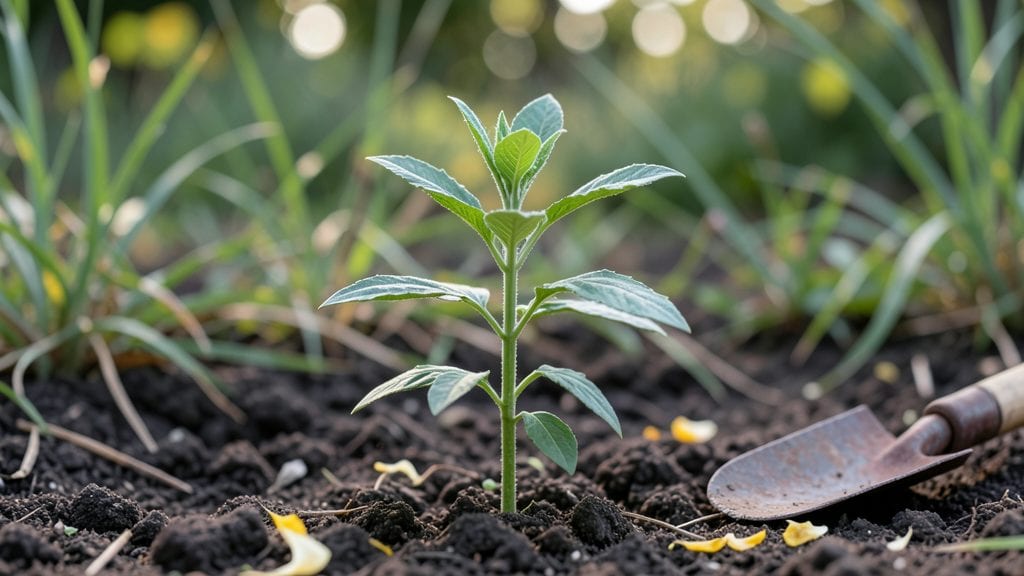
Mastering marigold seedling identification early means you’ll never accidentally pull out your own plants—just spot those fuzzy, jagged-edged ovals growing in pairs at the stem. 🌱 I’ve pulled up what I thought were marigolds only to realize they were wild mustard or dandelions, so I learned to check for those telltale paired leaves and the faint citrusy scent when crushed.
Most confusion comes from comparing marigolds to weeds like lambsquarters or purslane, which have smooth, rounder leaves. True marigold seedlings also grow slowly at first—no sudden spiky growth like sunflowers or zinnia.
Grab a magnifying glass if needed; those tiny details make all the difference when your seedlings are still an inch tall.
Once you spot the right pattern, you’ll know exactly which ones to nurture. Keep them in bright light, water gently at the soil line, and watch those first true leaves unfurl into the classic marigold shape.
A few weeks later, you’ll have a garden full of pest-repelling, sun-loving blooms instead of a patch of mistaken identity.
This method works for both French and African marigolds—just watch for the slightly different leaf textures as they mature. No more guessing games when your seedlings pop up. Let’s get those identified so you can focus on growing!
Root Causes Of Misidentification
Accurately identifying marigold seedlings can be tricky, especially for beginners. Missteps often stem from a mix of biological quirks, environmental factors, and human error. Understanding these underlying causes helps gardeners avoid confusion and ensure they’re nurturing the right plants.
Here’s a breakdown of why identification errors happen—and how to spot them early.
Marigolds (Tagetes spp.) share striking similarities with other young plants, particularly in their early stages. Their pinnate leaves (feather-like, divided into leaflets) and fuzzy stems can easily be mistaken for:
- Dill: Both have finely divided leaves, but dill’s stems are hollow and aromatic when crushed (marigolds lack this scent).
- Sweet Alyssum: Tiny, rounded leaves may resemble marigold’s early foliage, but alyssum grows in dense mats and lacks the deep green, serrated edges of marigolds.
- Young Basil: Basil’s leaves are broader and more square-shaped, while marigold leaves are narrower with a lanceolate (spear-shaped) form.
Why it happens: Seedlings of many plants start with simple, undifferentiated leaves. Marigolds’ first true leaves are often lobed or toothed, but these features become more pronounced as they mature. If you pull seedlings too early, you might miss these key identifiers.
Extreme temperatures, poor soil conditions, or inconsistent moisture can stunt marigold seedlings and distort their natural leaf and stem structures. Here’s how:
| Factor | Effect on Seedlings | How to Fix |
|---|---|---|
| Cold Soil (<60°F) | Delays germination and causes purpling of stems/leaves (a sign of stress). Leaves may appear smaller and more compact. | Use row covers or wait until soil reaches 65°F+ before planting. |
| Overwatering | Leads to yellowing leaves (chlorosis) and mushy stems, masking the fuzzy texture marigolds should have. | Ensure well-draining soil and water only when the top inch is dry. |
| Nutrient Deficiency (e.g., nitrogen) | Stunted growth with pale green or yellow leaves, making identification harder. | Add a balanced fertilizer (10-10-10) at planting. |
Why it happens: Marigolds are tender perennials that thrive in full sun and warm conditions. When stressed, their defining traits (like fuzzy stems or serrated leaves) may not develop properly, leading to misidentification.
Marigold seedlings go through distinct growth phases, and skipping a stage can make them look unfamiliar. Here’s what to watch for:
- Cotyledons (First Leaves): These are the seed leaves that appear right after germination. They’re round, smooth, and undivided—not the feathery leaves you’ll see later. Mistake alert: Some gardeners assume these are the "true" leaves and confuse them with other plants like lettuce.
- True Leaves (1–2 Weeks Later): These are pinnate (feather-like), with 3–7 leaflets and serrated edges. The stems may also develop a downy or fuzzy texture.
- Mature Seedling (3+ Weeks): Leaves become larger, more aromatic, and the plant adopts its classic marigold shape.
Why it happens: Many gardeners pull seedlings too soon, before the true leaves emerge. Without these key identifiers, the plant may resemble something entirely different—like a weed or a completely unrelated seedling.
Pro Tip: 💡 Tag your seedlings with small sticks or labels as soon as the first true leaves appear. This prevents mix-ups and helps you track growth stages.
Quick fixes for seedling struggles
When your marigold seedlings aren’t thriving, the right adjustments can turn things around fast. Below are practical, step-by-step solutions tailored to common issues—plus tips to keep your seedlings healthy long-term.
Cause: Insufficient light or overcrowding triggers seedlings to stretch toward light sources, weakening their structure.
How to Fix It: 🔥 Boost Light Exposure Move seedlings to a sunny windowsill (south-facing is best) or use a grow light 12–16 hours daily. Keep lights 2–4 inches above seedlings to avoid burning.
🍳 Thin the Seedlings Use clean scissors or your fingers to snip or gently pull weaker seedlings at soil level, leaving the strongest one per pot. Space remaining seedlings 2–3 inches apart to reduce competition.
👨🍳 Fertilize Lightly Wait until seedlings have 2–3 true leaves, then apply a balanced, water-soluble fertilizer (like 10-10-10) at half-strength. Over-fertilizing now can harm delicate roots.
🌡️ Prevention Tips:
- Start seeds indoors under grow lights if natural light is weak.
- Use reflective surfaces (like aluminum foil) under trays to maximize light bounce.
- Rotate trays daily to prevent uneven growth toward one light source.
Cause: Overwatering, underwatering, or fungal diseases (like damping-off) can cause leaves to yellow, wilt, or develop brown edges.
How to Fix It: 💡 Check the Soil Moisture Stick your finger 1 inch into the soil—if it’s soggy, reduce watering and ensure pots have drainage holes. If dry, water slowly until it drains from the bottom.
🔪 Trim Damaged Leaves Use sterilized scissors to snip off yellow or mushy leaves at the base. This prevents disease spread and redirects energy to healthy growth.
⏰ Improve Air Circulation Place a small fan on low speed near seedlings (but not directly blowing) to reduce humidity and prevent fungal growth. Aim for gentle airflow 24/7.
🎯 Prevention Tips:
- Water only at the base (avoid wetting leaves).
- Use sterilized soil (bake for 30 mins at 200°F or use hydrogen peroxide to sanitize).
- Space seedlings wider (3+ inches apart) to improve airflow.
Cause: Tiny pests suck sap or lay eggs in moist soil, stunting growth and causing leaf curling or sticky residue.
How to Fix It: 🌡️ Isolate Infested Seedlings Move affected plants away from healthy ones to prevent spread. Check undersides of leaves and soil surface for eggs or larvae.
💪 Spray with Natural Remedies Mix 1 tsp neem oil + 1 tsp dish soap + 1 quart water, then spray directly on pests (avoid overspraying on flowers). Repeat every 3–4 days until pests vanish.
🥗 Treat Soil for Gnats Pour 1 inch of sand on top of soil to dry out larvae, or use yellow sticky traps to catch adult gnats. For severe cases, re-pot with fresh, dry soil.
✨ Prevention Tips:
- Inspect new plants before bringing them indoors.
- Encourage beneficial insects like ladybugs (release them near seedlings).
- Avoid overwatering—dry soil deters fungus gnats.
Cause: Poor soil quality, nutrient deficiencies, or root-bound seedlings can halt growth before they even start.
How to Fix It: 📊 Repot into Richer Soil Gently remove seedlings and transplant into pots with fresh, well-draining potting mix (add compost or worm castings for nutrients). Choose containers 1–2 inches larger than the root ball.
💪 Feed with Organic Boosters Add fish emulsion (diluted) or kelp meal to soil for a quick nutrient boost. For slow starters, try a weak compost tea (steep compost in water for 24 hours, strain, and use).
🌡️ Warmth and Patience Marigolds thrive in warm soil (70–80°F). If growing indoors, place trays on a seedling heat mat or near a warm spot (like on top of the fridge).
🎯 Prevention Tips:
- Test soil pH (marigolds prefer 6.0–7.0).
- Rotate pots weekly to ensure even light exposure.
- Hardening off (acclimating seedlings to outdoor conditions) 1 week before transplanting reduces shock.
If seedlings are collapsing, moldy at the base, or completely wilted, act fast:
- Remove affected seedlings and discard (don’t compost—disease may spread).
- Disinfect tools with rubbing alcohol.
- Repot healthy seedlings in sterile soil and reduce watering.
- Increase airflow with a fan and avoid fertilizing for 2 weeks to let roots recover.
Pro Tip: 💡 Keep a seedling journal! Note watering schedules, light changes, and growth milestones to spot patterns and adjust care before problems arise. Happy growing! 🌻
Frequently asked questions
How do I tell the difference between marigold seedlings and weeds like lambsquarters?
Marigold seedlings have paired, jagged-edged leaves that grow directly from the stem, while lambsquarters have smooth, triangular leaves with a waxy coating. Crush a leaf—marigolds smell faintly citrusy, while weeds like lambsquarters have no scent.
When will marigold seedlings develop their classic fern-like leaves?
The first true leaves (not the initial cotyledons) appear in 1-2 weeks and look like tiny ferns with 3-7 serrated leaflets. By 3 weeks, the leaves will fully resemble mature marigold foliage, complete with fuzzy stems.
What should I do if my marigold seedlings look stunted or yellow?
Check for overwatering (soil should be moist but not soggy) or nutrient deficiency. Move to brighter light and fertilize lightly with a balanced 10-10-10 solution at half-strength. Yellowing often signals damping-off disease—trim affected leaves and improve airflow with a small fan.
Can French and African marigold seedlings be told apart at this stage?
At the seedling stage, they’re nearly identical—both have paired, serrated leaves and fuzzy stems. The main difference emerges later: French marigolds develop more delicate, lacy foliage, while African types grow broader, darker leaves. Focus on leaf shape when they’re 4+ inches tall.