
Diseases
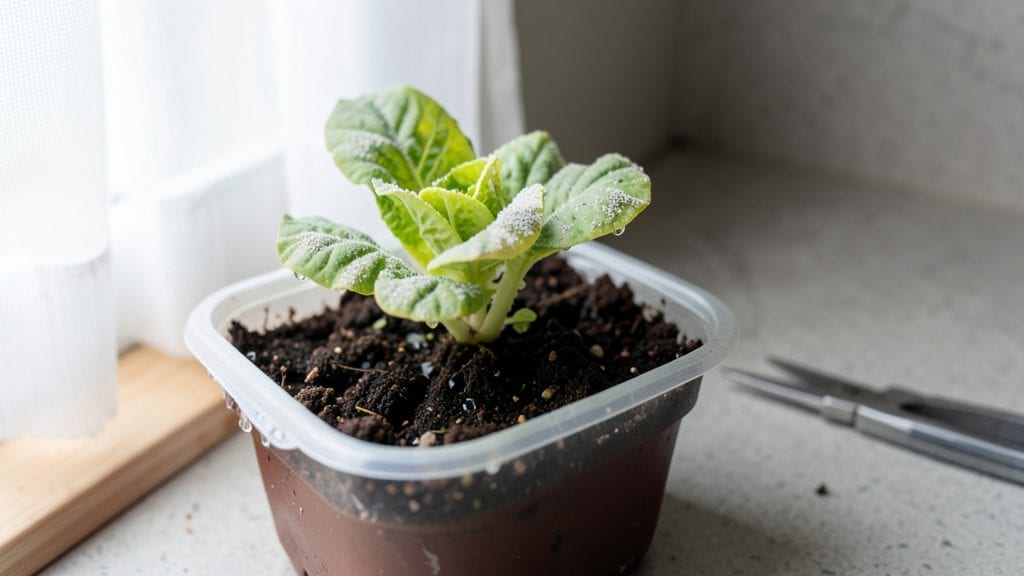
Seeing fuzzy gray mold creeping over your seedlings is every gardener’s worst nightmare—but it doesn’t mean your plants are doomed. 🌱 I’ve pulled seedlings back from the brink with these 5-minute fixes that stop mold dead in its tracks before it spreads to your entire tray.
The key? Acting fast and cutting off the fungus’s food source.
Mold thrives when seedlings sit in damp, stagnant air—whether from overwatering, crowded trays, or poor airflow. That fuzzy growth isn’t just unsightly; it chokes roots and blocks sunlight, turning vibrant starts into limp, wilted messes.
But here’s the good news: most cases respond to simple adjustments—no fancy tools or expensive sprays required.
You’ll be reviving your seedlings in under an hour with just a few household items: a spray bottle, a clean cloth, and a well-ventilated spot. The goal is to dry out the mold, improve airflow, and give your plants a fighting chance.
By the end, you’ll know exactly which seedlings to save—and which to compost without guilt.
This works for any seedling stage, from brand-new sprouts to sturdy transplants. Whether you’re dealing with powdery mildew, damping-off, or that dreaded gray fuzz, these steps keep your garden’s future alive. Let’s get those little greens back on track.
The Hidden Triggers Behind Seedling Rot
Mold on seedlings isn’t just a random bad luck scenario—it’s a clear sign your growing conditions are off balance. Understanding the root causes (literally and figuratively) is the first step to stopping it before it ruins your plants.
Let’s break down the science behind why mold takes hold and how to spot the warning signs early.
Seedlings thrive in moisture*, not soggy soil. When you overwater—or worse, let them sit in standing water—you create the perfect mold buffet. Here’s why:
- Oxygen Starvation: Soil needs air pockets for roots to breathe. Too much water displaces oxygen, weakening seedlings and inviting fungal invaders like Pythium or Rhizoctonia.
- Fungal Feast: Mold spores (always present in soil) germinate in consistently wet conditions. Think of it like a pizza party for fungi—humidity above 70% turns your seedling tray into an all-you-can-eat buffet.
- Root Rot: Waterlogged roots can’t absorb nutrients, leading to yellowing leaves and a grayish-green mold (often Botrytis) that spreads like wildfire.
Actionable Fix: Use trays with drainage holes and a well-draining mix (e.g., 60% peat moss, 30% perlite, 10% vermiculite). Water only when the top 1/4 inch of soil feels dry.
Mold loves warm, damp environments—like a tropical rainforest, but for your seedlings. Here’s how temperature and humidity team up to create a mold paradise:
- Ideal Mold Weather: Fungi thrive between 60–80°F (15–27°C) with high humidity (80%+). If your grow space feels like a sauna, you’re basically running a mold incubator.
- Cold Stress + Moisture = Disaster: Chilly nights (<50°F/10°C) slow seedling growth, making them more susceptible to mold when paired with excess water.
- Condensation Traps: Plastic domes or sealed containers create microclimates where water droplets form on leaves, giving mold a direct highway to spread.
Actionable Fix:
- Use a hygrometer to keep humidity between 40–60%.
- Ventilate seedlings daily (remove domes for 10–15 mins) and avoid placing trays on cold surfaces.
- Bottom-water seedlings instead of top-watering to reduce leaf moisture.
Not all soil is created equal—and neither are your tools. Mold spores lurk everywhere, and if your growing setup isn’t sterile, you’re basically handing out invitations to fungal parties.
- Dirty Soil: Cheap or reused potting mix may contain dormant mold spores that activate when conditions are right. Even "sterilized" soil can harbor pathogens if stored improperly.
- Tool Time Bombs: Scissors, tweezers, or trays used on infected plants can transfer spores to healthy seedlings. Think of it like sharing a toothbrush with a sick friend—not ideal.
- Old Seedling Trays: Residue from past grows (like Botrytis spores) can linger, reinfecting new batches.
Actionable Fix:
- Use fresh, sterile potting mix (or bake homemade mix at 180°F for 30 mins to kill spores).
- Disinfect tools with 70% isopropyl alcohol or a 10% bleach solution (rinse well).
- Replace or thoroughly clean trays with hydrogen peroxide (3%) before reuse.
Seedlings aren’t just competing for sunlight—they’re also competing for air circulation. When they’re packed too tightly or under stress, mold moves in like an uninvited houseguest.
- Poor Airflow: Dense foliage traps humidity, creating stagnant, mold-friendly zones between leaves. Fungi like Botrytis (gray mold) thrive in these pockets.
- Nutrient Burn: Over-fertilizing or using high-salt mixes stresses seedlings, weakening their defenses. Weak plants = easy targets for mold.
- Physical Damage: Rough handling (like pinching or transplant shock) creates entry points for spores to infect wounds.
Actionable Fix:
- Space seedlings 1–2 inches apart and use a small fan (low setting) to improve airflow.
- Avoid fertilizing until seedlings have 2–3 true leaves; use a diluted, organic fertilizer (e.g., fish emulsion at ½ strength).
- Handle seedlings gently—use tweezers or a soft brush to avoid tearing leaves.
Pro Tip: 🔍 Spot mold early by checking the undersides of leaves (a common mold hotspot) and the soil surface near stems. Catching it before it fuzzes over is key!
Quick Fixes for Fungal Foes
Fungal mold on seedlings can feel like a death sentence for your green dreams—but it’s not! With the right moves, you can often rescue your plants before the problem takes root.
Below, we’ve mapped out cause-specific solutions to tackle mold head-on, plus prevention tips to keep your seedlings thriving. Think of this as your emergency first-aid kit for sickly sprouts.
Problem: Mold thrives in damp, stagnant air—especially when seedlings are packed too tightly. Fix:
- 🔪 Prune aggressively: Use clean scissors to snip off the most affected seedlings, leaving only the healthiest ones. Space remaining plants at least 2–3 inches apart to improve airflow.
- 🌬️ Boost ventilation: Place a small fan (set to low) near your seedlings for 10–15 minutes daily. This mimics natural wind and dries surfaces faster.
- 📦 Repot if needed: If seedlings are in a crowded tray, transplant them into individual pots with well-draining soil.
💡 Pro Tip: Avoid watering from above—bottom-watering (placing trays in shallow water) reduces moisture on leaves, cutting mold risks by 50%.
Problem: Overwatering or soggy soil creates the perfect mold buffet. Fix:
- ⏰ Pause watering immediately: Let the top 1–2 inches of soil dry out before watering again. Stick your finger in—if it’s damp past your first knuckle, wait.
- ☀️ Increase sunlight: Move seedlings to a bright, indirect light spot (south or west windowsill works best). Aim for 12–16 hours of light daily—grow lights help if natural light is lacking.
- 🧼 Disinfect tools and soil:
- Soak seeds/trays in a 1:9 hydrogen peroxide (3%) to water solution for 10 minutes, then rinse.
- Replace contaminated soil with a sterilized mix (bake soil in the oven at 200°F for 30 minutes to kill spores).
🌡️ Warning: If mold is black or fuzzy, it’s likely Pythium or Rhizoctonia—these are aggressive. Discard severely infected soil and start fresh.
Problem: You’ve spotted gray, white, or black mold on leaves or stems. Fix:
- 🧴 Spray with fungicide:
- Store-bought: Use a copper-based fungicide (like Copper Soap) or neem oil spray (1 tsp neem oil + 1 tsp mild soap per quart of water). Spray every 5–7 days until mold disappears.
- DIY baking soda spray: Mix 1 tsp baking soda + 1 quart water + a drop of dish soap. Spray early in the morning (avoid direct sun—it can burn leaves).
- 🌿 Remove infected parts: Snip off only the moldy leaves/stems (don’t compost them—bag and throw away). Sterilize scissors with rubbing alcohol between cuts.
- 🌱 Boost immunity: Feed seedlings with a diluted seaweed fertilizer (like Maxicrop) to strengthen their defenses.
✨ Prevention Booster: After treatment, water in the morning so leaves dry by nightfall. Wet foliage at night = mold’s favorite party time.
Problem: Greenhouses, kitchens, or basements often trap humidity, fueling mold. Fix:
- 💨 Use a dehumidifier: Keep humidity below 60% (ideal: 40–50%). A small $30 dehumidifier or even a bowl of rice (absorbs moisture) near seedlings helps.
- 🧺 Switch to moisture-absorbing pots: Terracotta pots breathe better than plastic—upgrade if possible.
- 🌬️ Create airflow: Place seedlings near an open window (with screen) or use a small oscillating fan on low.
🎯 Long-Term Hack: If you’re growing in a humid climate, consider a seedling heat mat with a built-in fan—it regulates both temperature and airflow.
If mold has spread to multiple seedlings or the soil is heavily contaminated, it’s time for drastic (but effective) measures: 1. 🧴 Sterilize everything: Wipe down trays, tools, and surfaces with bleach water (1:10 ratio) or vinegar.
- 🌱 Repot in fresh soil: Use a new, sterile growing medium (avoid garden soil—it’s often spore-rich).
- 🔄 Start over: If seedlings are past saving, replant with treated seeds (soak in hydrogen peroxide for 5 minutes before planting).
- ✅ Space seedlings 2–3 inches apart.
- ✅ Water only when soil is dry (bottom-water when possible).
- ✅ Use well-draining soil (add perlite or vermiculite).
- ✅ Sterilize tools and trays between uses.
- ✅ Monitor humidity—keep it below 60%.
- ✅ Rotate seedlings for even airflow and light exposure.
Remember: Mold is beatable—act fast, stay consistent, and your seedlings will bounce back stronger! 🌿💪
Frequently asked questions
Why does mold appear so suddenly on my seedlings?
Mold thrives when conditions are just right—usually a combo of high humidity (70%+) and poor airflow. It often strikes within 3–7 days after overwatering or when seedlings are crowded in sealed containers. The spores are always present, but they only become visible when your plants' environment turns into a fungal paradise.
Can I save seedlings with black or fuzzy mold?
Black or fuzzy mold (like Pythium or Rhizoctonia) is aggressive—often too far gone to save. If you see blackened stems or gray fuzzy patches, it’s best to remove and discard the worst offenders immediately. For the rest, sterilize tools and repot in fresh, sterile soil to prevent spread.
What’s the fastest way to dry out moldy seedlings?
Move them to a bright, sunny spot (or under grow lights) and use a fan on low for 10–15 minutes daily. Bottom-watering (placing trays in shallow water) instead of top-watering cuts moisture on leaves by 50%. Avoid covering them with domes or plastic until they’re fully dry.
Will baking soda really stop mold on seedlings?
Yes! A 1 tsp baking soda + 1 quart water + drop of dish soap spray works as a mild fungicide. Apply early in the morning (avoid direct sun) and reapply every 5–7 days until mold disappears. It’s safe, organic, and disrupts fungal growth without harming plants.
How do I prevent mold from coming back after treatment?
Keep humidity below 60% (use a dehumidifier or rice bowl trick), space seedlings 2–3 inches apart, and sterilize tools/trays between uses. Water only when the top 1/4 inch of soil is dry and avoid overhead watering. Rotate trays daily for even airflow.