
Companion Plants
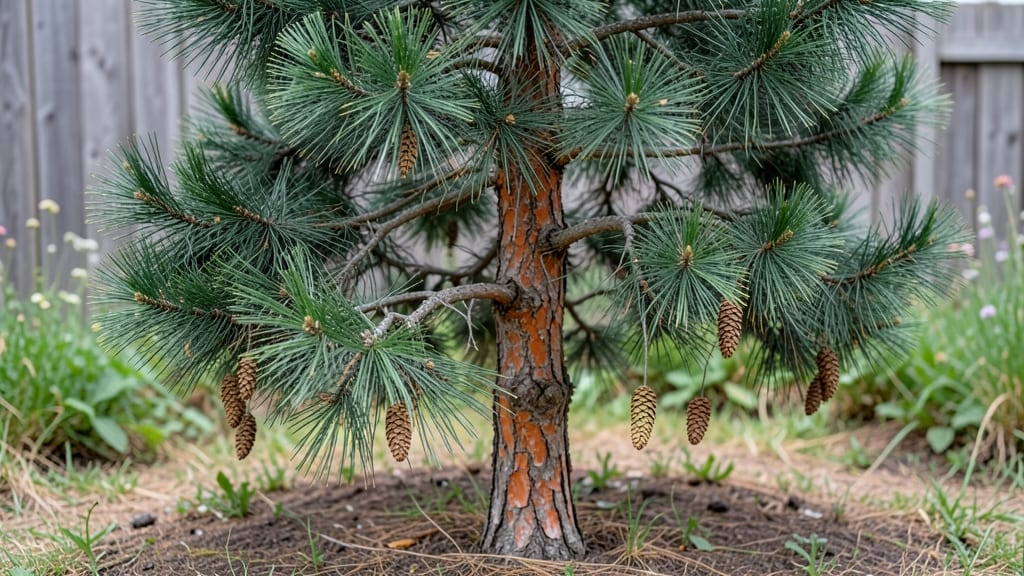
Naked seed plants reproduce via exposed seeds on cones or scales instead of flowers or fruit, making them distinct from flowering plants. These gymnosperms include conifers, cycads, ginkgo, and gnetophytes, thriving in diverse climates worldwide.
These ancient plant groups have been around for over 300 million years, long before flowering plants evolved. 🌲 Unlike angiosperms (flowering plants), gymnosperms rely on wind to carry pollen to their exposed seeds, which develop on cone-like structures rather than inside protective fruits.
This adaptation helps them colonize harsh environments where flowering plants struggle—think cold mountain slopes or arid deserts. Their hardy nature makes them popular choices for landscaping and forestry projects.
What sets them apart isn't just their reproduction method but also their ecological role. Many gymnosperms serve as foundational species in ecosystems, providing shelter and food for wildlife.
For example, pine trees (a type of conifer) offer critical habitat for birds and small mammals, while ginkgo trees have been cultivated for centuries in both traditional medicine and ornamental gardening.
💡 In This Article
- How Gymnosperm Reproduction Differs From Flowering Plants
- Top 4 Naked Seed Plant Types and Their Growing Conditions
How gymnosperm reproduction differs from flowering plants
Gymnosperms like pine trees or cycads produce seeds directly on modified leaves called cones or scales, rather than encasing them in flowers or fruit. This "naked" seed arrangement means their reproductive structures remain exposed throughout development, unlike flowering plants where ovules develop inside protected ovaries.
The exposed seeds allow gymnosperms to thrive in windy environments where pollen can travel long distances without needing animal pollinators.
Wind plays a crucial role in their reproduction cycle. Gymnosperm pollen grains are lightweight—typically measuring just 0.02-0.05 millimeters—with wing-like extensions that catch air currents. A single pine tree can release up to 100 million pollen grains during its reproductive season, creating visible yellow clouds that travel miles.
This wind-dependent pollination contrasts sharply with flowering plants, which rely on insects, birds, or mammals to transfer pollen between flowers.
The absence of fruit encapsulation means gymnosperm seeds develop directly on cone surfaces, often taking 1-3 years to mature. For example, a Douglas fir's cones may remain closed for years until exposed to heat or fire, which triggers seed release.
This delayed maturation strategy helps ensure seeds only germinate when environmental conditions are optimal—a survival advantage in unpredictable climates where flowering plants might produce fruit too early.
Here's what this means for their ecological success: Gymnosperms dominate cold, dry, or nutrient-poor habitats where flowering plants can't compete. Their exposed seeds prevent fungal infections that often plague enclosed fruit, while their wind-pollinated systems reduce energy costs compared to producing nectar or colorful petals.
This adaptation explains why gymnosperms were Earth's dominant vegetation during the Mesozoic Era (252-66 million years ago) before flowering plants diversified.
Consider the ginkgo tree's unique reproductive strategy: Its fleshy, banana-like seeds develop on exposed stems rather than in fruit. This "naked" arrangement makes them vulnerable to predators, but the tree compensates by producing an overwhelming number of seeds—each containing toxic compounds that deter most animals.
The trade-off between exposure and chemical defense illustrates how gymnosperms have evolved specialized survival mechanisms in their reproductive process.
What most people don't realize is how this exposed seed system affects forest ecosystems. Gymnosperm cones often serve as critical food sources for wildlife, from squirrels caching seeds to birds using cone scales for nesting material.
The lack of fruit encapsulation means these seeds remain available year-round, providing consistent food resources when flowering plants have long since shed their fruit. This seasonal advantage helps explain why gymnosperms remain dominant in many temperate and boreal forests worldwide.