
Lawn
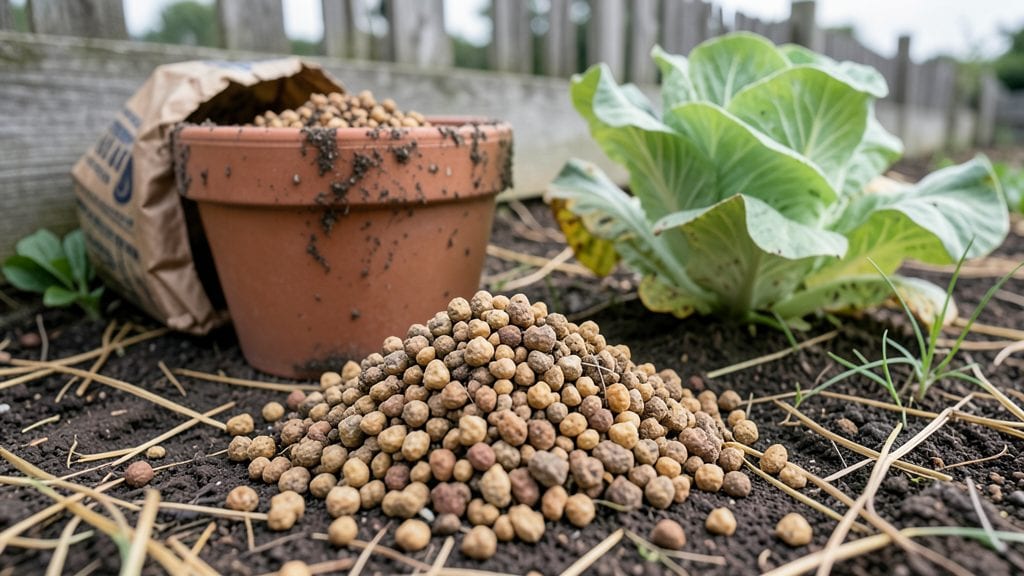
The Federal Seed Act regulates seed labeling and certification for interstate sales, guaranteeing purity, reliable germination rates, and accurate variety names through USDA enforcement.
The Federal Seed Act was created to protect gardeners and farmers from buying seeds that don't live up to their claims. 🌱 This law requires seed companies to test and label their products honestly—so when you see a packet labeled "90% germination," you can trust those numbers.
The USDA’s Agricultural Marketing Service handles enforcement, which means they investigate complaints and take action against false labeling.
For home gardeners, this means you can confidently buy seeds knowing they’ll grow as advertised.
Whether you're planting grass seed or vegetable varieties, the act ensures you won’t accidentally end up with weeds or seeds that won’t sprout. 💛 Always check for the USDA certification mark on seed packets to verify compliance.
💡 In This Article
- Key Federal Seed Act Labeling Requirements
- How to Verify Seed Compliance for Gardeners
Key federal seed act labeling requirements
The Federal Seed Act mandates strict labeling standards to ensure seed quality and prevent fraud. One core requirement is purity testing, where seeds must meet minimum purity thresholds—typically 98% for grass seeds and 95% for vegetable seeds.
This means only 2-5% of the contents can be inert matter (like chaff or debris), ensuring you're paying for actual seed. 🔥
Germination rates must also be accurately labeled. For example, a packet claiming "90% germination" must actually produce at least that percentage when tested under controlled conditions. The USDA requires germination tests using standardized methods, like the between-paper method for small seeds or petri dish tests for larger varieties.
Noxious weed thresholds are another critical rule—seeds can't contain more than 0.1% noxious weeds by weight, protecting gardens from invasive species like cheatgrass or Johnson grass.
Variety naming rules prevent misleading claims. If a seed packet says "Heirloom Tomato", it must match the botanical classification, not just look similar. The act also requires net weight declarations, so you know exactly how many seeds you're purchasing per ounce or gram.
These rules protect consumers from buying seeds that won't grow, are mislabeled, or contain harmful contaminants.
Enforcement relies on USDA certification marks like the "USDA Certified" label, which appears on compliant seed packets. The Agricultural Marketing Service conducts random audits and investigates complaints, issuing fines or penalties for violations.
For gardeners, this means you can trust labels like "100% pure" or "treated for disease"—these claims are backed by federal standards. 💛
What most people don't realize is how these rules extend to treated seeds. If a packet says "fungicide-treated", the seed must contain the specified chemical at the labeled rate. The act even regulates seed coatings, ensuring they don't interfere with germination.
For instance, a pelleted seed (like those used in lawns) must still meet the same purity and germination standards as untreated seeds.
These requirements work together to create a transparent marketplace. Without them, a seed company could sell a 50-pound bag of "grass seed" that's actually 80% weeds—leaving homeowners with a patchy lawn or failed garden.
The Federal Seed Act's labeling rules ensure you get what you pay for, whether you're planting a vegetable garden or restoring a native prairie**.