
Companion Plants
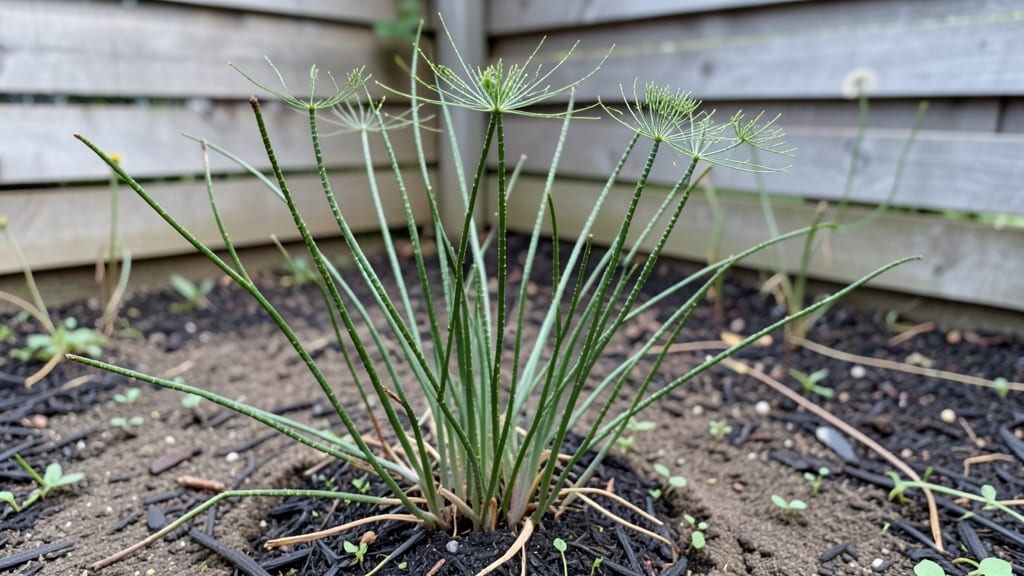
No seed plants like ferns, mosses, and liverworts thrive without competing for nutrients with seed-bearing species, making them ideal for understory growth or shaded gardens where sunlight is limited.
These plants evolved to dominate shaded, nutrient-poor environments where sunlight is scarce and competition fierce. 🌿 Unlike fast-growing seed plants that aggressively deplete soil resources, ferns and mosses grow slowly but efficiently, absorbing nutrients through their leaves rather than relying on deep root systems.
This makes them perfect for creating lush, low-maintenance ground covers in areas where other plants would struggle—think woodland gardens or the base of trees.
Pairing them with shallow-rooted companions like creeping thyme or wild strawberries creates a balanced ecosystem where everyone thrives. The secret? Their complementary growth habits—seedless plants focus on vertical space while their companions spread horizontally, minimizing root conflicts.
💡 In This Article
- How Non-Seed Plants Thrive in Low-Competition Environments
- Best Companion Plants for Seedless Garden Beds
How non-seed plants thrive in low-competition environments
Non-seed plants like ferns and mosses have evolved specialized survival strategies that let them dominate shaded, resource-limited environments where seed plants struggle. Their slow growth rates—often just 1-3 inches per year—mean they don't rapidly deplete soil nutrients like fast-growing seed plants do.
Instead, they focus on efficiency, absorbing moisture and nutrients directly through their leaves and rhizomes rather than relying on deep root systems that compete for water.
The key advantage is their shade tolerance. Ferns, for example, contain chlorophyll b and accessory pigments that capture low-light wavelengths (like 700nm far-red light), allowing them to photosynthesize under 10-30% of full sunlight—conditions where most seed plants would starve.
Mosses take this further by forming dense mats that retain humidity, creating microclimates where they can thrive even in dry shade. This is why you'll find them thriving under trees where sunlight barely reaches the forest floor.
Contrast this with seed plants, which have evolved aggressive growth strategies. Their deep taproots (like those of oak trees) can reach 10-20 feet deep to access water and nutrients, while their extensive lateral roots create competition networks that can outcompete slower growers.
Seed plants also produce seeds that germinate rapidly, allowing them to dominate open spaces where sunlight is abundant. But in shaded areas, these competitive strategies become liabilities—they exhaust resources that non-seed plants don't need to compete for.
Another critical difference is how these plants absorb nutrients. Non-seed plants often rely on mycorrhizal associations with fungi, which help them access phosphorus and nitrogen from organic matter in the soil. Some, like liverworts, even trap nutrients in rainwater droplets on their surfaces.
Seed plants, meanwhile, depend on their roots to actively seek out nutrients, a process that's energy-intensive and less efficient in nutrient-poor soils. This biological efficiency is why non-seed plants can thrive in places where seed plants would wither.
Consider the Japanese forest floor as a real-world example. Here, ferns like Matteuccia struthiopteris grow alongside mosses in a layered ecosystem where each plant occupies its own niche. The ferns spread slowly but steadily, while mosses fill gaps and retain moisture.
Together, they create a stable understory that seed plants can't easily penetrate. This ecological balance is what makes non-seed plants such valuable companions in shaded gardens.
The practical takeaway? If you're working with shaded areas, non-seed plants offer a low-competition solution that requires minimal maintenance. Their slow growth means they won't overwhelm your garden, while their efficient nutrient use keeps the soil healthy for other plants.
It's nature's way of creating harmony in environments where competition would otherwise dominate.