Trees
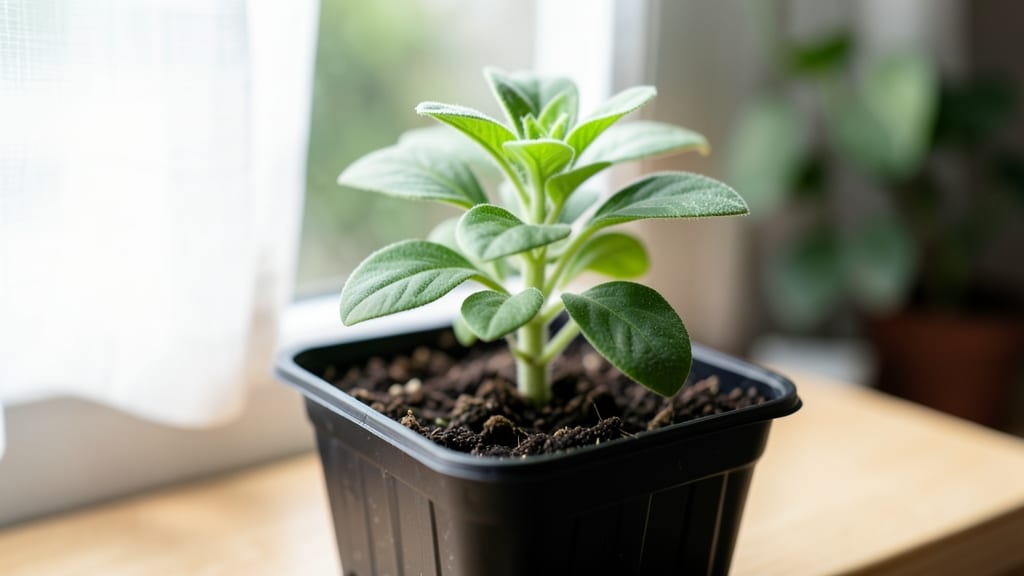
Mastering petunia seedling identification by leaf shape and color patterns saves you from transplanting weeds or wrong varieties into your garden beds—here’s how I’ve cracked the code after years of squinting at tiny sprouts. weed is often just a few millimeters of leaf texture or vein pattern.
Start by checking the leaf edges—petunia seedlings have slightly serrated or smooth margins, never deeply lobed like some weeds. True petunia leaves also tend to be hairy or fuzzy on the underside, a trait that becomes obvious under bright light.
Early bloomers might even show tiny buds within 4-6 weeks of sprouting, though most varieties need more time.
You’ll quickly spot the wrong plants by comparing growth habits: petunia seedlings grow low and bushy, while look-alikes like snapdragons stretch upward or develop long, narrow leaves. Once you recognize these clues, you’ll confidently separate the winners from the tossers before they compete for space in your garden.
This skill pays off especially when dealing with mixed seed packs or volunteer seedlings—accurate identification means stronger transplants and fewer wasted pots. Grab a magnifying glass and let’s decode those seedlings like a pro.
Why it happens
When it comes to petunia seedling identification, even experienced gardeners can mix up varieties—especially when seedlings are young and their defining traits haven’t fully developed. The confusion often stems from a few key factors, each rooted in biology, genetics, or environmental influences.
Understanding these causes can help you sharpen your eye and avoid costly mistakes in your garden. Let’s break down the science behind the mix-ups.
Petunia seedlings undergo dramatic changes as they mature. What looks like a ‘Black Velvet’ seedling with deep purple hues at the 2-week mark might sprout into a ‘Dreamer Purple’ with lighter, almost silver-edged blooms by flowering time. This is because:
- Chlorophyll dominance: Young leaves prioritize energy for root and stem growth, diluting pigment intensity. Anthocyanins (the compounds responsible for red/purple hues) are less visible until the plant shifts focus to flowering.
- Leaf shape evolution: Seedlings often start with rounded or lobed leaves that later develop into the serrated or ruffled edges of mature varieties (e.g., ‘Wave’ petunias). A seedling’s first true leaves may resemble a completely different cultivar.
- Actionable fix: Wait until seedlings have 4–6 true leaves (not cotyledons—the first two seed leaves) before attempting identification. Use a magnifying glass to inspect leaf venation patterns, which often remain consistent across growth stages.
Many petunia varieties are F1 hybrids, meaning their first-generation offspring are bred for specific traits—but those traits can revert or blend unpredictably if you save seeds. Here’s why this happens:
- Recessive genes reemerge: If both parent plants carry a recessive gene (e.g., for white flowers), a seedling might inherit it, producing a starkly different look from the hybrid parent. For example, a ‘Mitchell Diploid Purple’ hybrid could yield a white-flowered seedling if the recessive allele is expressed.
- Incomplete dominance: Some traits (like flower color) blend rather than follow strict dominant/recessive rules. A cross between a deep violet and a bright pink might produce seedlings with lavender or mauve blooms—neither parent’s exact shade.
- Actionable fix:
- Buy certified true-to-type seeds from reputable suppliers if you want predictable varieties.
- Test-cross seedlings: Plant a few from each batch in isolation and observe their mature traits before committing to large-scale propagation.
Light, temperature, and nutrients can temporarily—or even permanently—mask a petunia’s true identity. For instance:
| Factor | Effect on Seedlings | Example |
|---|---|---|
| ❄️ Low temperatures | Slows pigment production, making colors appear washed out or muted. | A ‘Storm’ petunia (known for vibrant pinks) might look pale pink until warmed. |
| ☀️ Excessive sunlight | Causes sun bleaching, turning dark leaves yellowish or lightening flower buds. | A ‘Night Sky’ (deep purple) seedling could look grayish under harsh light. |
| 💧 Over/under-watering | Stress from drought or soggy soil triggers ethylene gas production, distorting leaf shape and stunting growth. | Seedlings may develop crinkled or curled leaves, mimicking disease or a different variety. |
| 🌱 Nutrient deficiencies | Lack of magnesium (e.g., in sandy soil) causes interveinal chlorosis, creating yellow patches that can be mistaken for variegation. | A ‘Sundance’ (solid yellow) seedling might look mottled if deficient in iron. |
Actionable fix: Grow seedlings in consistent conditions (65–75°F, partial shade, and balanced fertilizer like 10-10-10) until they’re at least 3 inches tall. Use grow lights if natural light is inconsistent.
Even the most careful gardener can misidentify seedlings due to:
- Focusing on the wrong features: Flower color is often prioritized, but leaf shape, hairiness (pubescence), and stem structure are more reliable early indicators. For example, ‘Easy Wave’ petunias have hairy stems, while ‘Millennium’ varieties are smoother.
- Lighting tricks: Fluorescent bulbs can distort colors, making blues appear greenish or reds look orange. Natural daylight is critical for accurate assessment.
- Actionable fix:
- Use a field guide or app (like iNaturalist) to cross-reference traits.
- Take photos under natural light and compare them to mature plant databases.
- Note growth habits: Are the seedlings trailing, bushy, or upright? This narrows options significantly.
Quick Fixes for Seedling Confusion
Now that you understand why petunia seedlings might look similar or confusing, let’s tackle the practical solutions. Whether you’re dealing with mislabeled plants, overlapping traits, or environmental stress, these fixes will help you confidently identify and care for your seedlings.
If your seedlings are mixed up or unlabeled, start by organizing them systematically to avoid future mix-ups.
Step 1: Group by Visual Traits
- 🍃 Sort by leaf shape – Cluster seedlings with similar leaf structures (e.g., lobed, smooth, or serrated edges).
- 🎨 Group by color patterns – Separate those with solid leaves, striped leaves, or variegated patterns.
- 🌱 Note growth habits – Tall, bushy, or trailing seedlings should be grouped separately for easier tracking.
Step 2: Use a Simple Labeling System
- 📝 Write on toothpicks – Label each pot with the variety name and date planted.
- 📸 Take reference photos – Snap pictures of each seedling and store them in a labeled folder on your phone.
- 📊 Create a spreadsheet – Track traits like leaf shape, color, and expected bloom time for quick reference.
💡 Pro Tip: Use colored tags (e.g., red for dark leaves, blue for light) to visually group seedlings at a glance.
If seedlings are struggling due to poor lighting, overwatering, or pests, their true traits may be masked.
🌞 Optimize Light Exposure
- ⚡ Move seedlings to a bright spot – Place them near a south-facing window or under grow lights (12–16 hours/day).
- 🌿 Rotate pots weekly – Ensures even growth and prevents leggy, stretched seedlings that hide true leaf shapes.
💧 Adjust Watering Practices
- 🚰 Water at the base – Avoid wetting leaves to prevent fungal issues (like damping-off) that distort growth.
- 🌡️ Check soil moisture – Stick your finger 1 inch deep; water only if dry. Overwatering causes weak, yellowed leaves that obscure identification.
🐛 Address Pests Early
- 🔍 Inspect leaves daily – Look for aphids, spider mites, or whiteflies, which can cause discoloration.
- 🧼 Use neem oil or insecticidal soap – Spray lightly on affected seedlings (test on one first).
- 🌿 Introduce beneficial insects – Ladybugs or lacewings can naturally control pests.
✨ Prevention Tip: Quarantine new seedlings for a week before mixing them with established plants to catch pests early.
If visual traits alone aren’t enough, leverage technology and expert resources.
📱 Use Plant ID Apps
- 🌿 Try PlantNet or Google Lens – Snap a photo of the seedling’s leaves, and the app may suggest matches.
- 📚 Cross-reference with seed packets – Compare your seedlings to the leaf shape and color descriptions provided when you bought seeds.
🔬 Consult Grower Communities
- 💬 Join gardening forums (like Reddit’s r/PlantID) – Post photos and ask for help from experienced growers.
- 📖 Check university extension guides – Many state agricultural extensions offer free plant ID resources.
🎯 Quick Fix: If unsure, grow a few extra seedlings—some varieties (like Petunia × atkinsiana) have distinct blooms that become clearer as they mature.
Once you’ve sorted your seedlings, implement these habits to avoid confusion next season.
🛒 Buy Seeds with Clear Descriptions
- ✅ Choose reputable seed companies (like Burpee or Park Seed) that provide detailed leaf/flower trait photos.
- 📝 Read reviews – Other gardeners often note if seedlings look identical in early stages.
🌱 Start with Fewer Varieties
- 🔢 Limit to 3–5 types per tray – Fewer seedlings = easier tracking.
- 📅 Stagger planting dates – Space out varieties so they don’t all germinate at once.
📅 Plan for Transplanting Early
- 🌱 Move seedlings to individual pots at 2–3 leaves – Prevents overcrowding and makes traits more visible.
- 🏡 Use a seedling heat mat – Faster germination = quicker identification.
🔥 Bonus Tip: Save seed packets from previous years—comparing old and new seedlings helps track growth patterns.
By combining proper labeling, environmental care, and smart tools, you’ll master petunia seedling identification in no time. Happy gardening! 🌸
Frequently asked questions about petunia seedlings
How do I tell petunia seedlings apart from weeds or other plants?
Look for hairy stems and slightly serrated leaf edges—true petunias often have fuzzy undersides. Weeds like purslane have smooth, succulent leaves, while snapdragons develop long, narrow leaves early on. Check for 4-6 true leaves before identifying, as cotyledons (first leaves) don’t reveal variety traits.
Why do my petunia seedlings look different from the seed packet description?
Early seedlings prioritize root growth, so colors may appear washed out. Hybrid varieties can revert to recessive traits (like white flowers) if saved from seeds. Use a magnifying glass to check leaf venation patterns—these stay consistent even when colors change as plants mature.
Can I identify petunia varieties just by looking at the leaves?
Yes! ‘Wave’ varieties have slightly wavy edges, while ‘Millennium’ types have smoother leaves. Hairiness on stems (common in ‘Easy Wave’) is a key trait. Compare leaf shapes to seed packet photos—some varieties like ‘Sundance’ have distinct yellow-green patterns even as seedlings.
What’s the best way to label petunia seedlings if they all look alike?
Use toothpick labels with variety names and dates, or take photos under natural light. Group seedlings by color patterns (solid, striped, variegated) and growth habits (bushy vs. trailing). For large batches, try colored tags—red for dark leaves, blue for light—to sort visually at a glance.
How long should I wait before transplanting unidentified seedlings?
Wait until seedlings have 4-6 true leaves (not cotyledons) and are at least 2-3 inches tall. This gives traits time to develop while preventing overcrowding. If unsure, grow a few extra—some varieties only show distinct blooms after 6-8 weeks of growth.