
How To
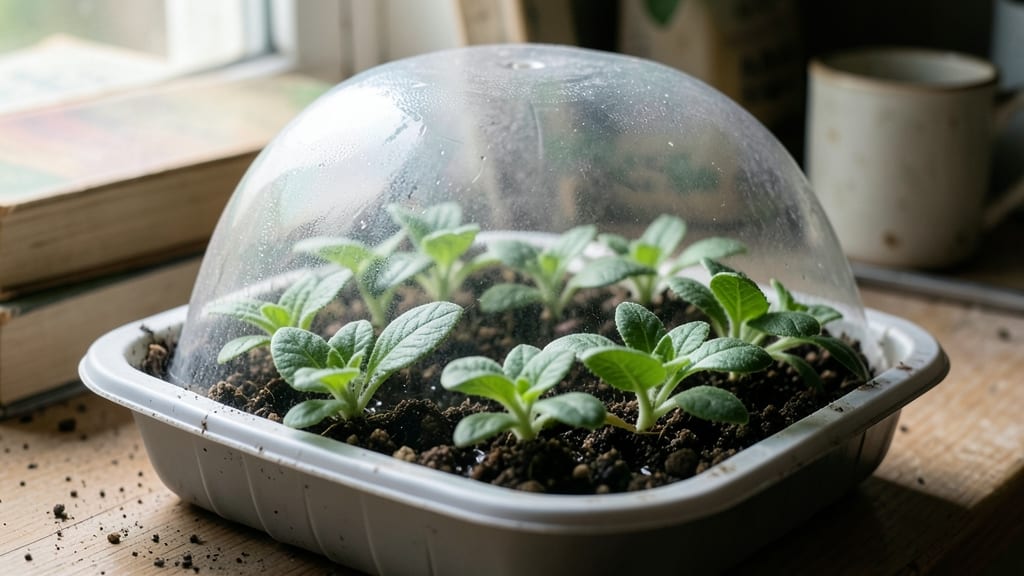
Sowing petunia seeds at the right time is the secret to bold, long-lasting blooms that turn your garden into a 🌸 paradise.
Timing is everything when growing petunias from seed—sow too early, and seedlings will rot; too late, and you’ll miss the blooming season. Mastering the perfect sowing window ensures vibrant, long-lasting flowers all summer.
Whether you’re in USDA Zone 6a or a warmer region, knowing when to start seeds indoors or plant them directly outside makes all the difference. Get it wrong, and you could end up with leggy, weak plants—or worse, no flowers at all.
Below, I’ll break down the exact indoor vs. outdoor timing for your zone, plus pro tips to stretch your blooming season. No more guesswork, just perfect petunias every time.
Petunia seed sowing dates by USDA hardiness Zones
Petunias thrive when sown at the right time, but their ideal planting window varies dramatically across the USDA hardiness zones. In Zone 3, where winters are harsh, you’ll start seeds indoors by February to avoid frost damage.
Meanwhile, in Zone 11, you can sow directly outdoors as early as January—thanks to year-round warmth. The key is aligning your sowing date with your last frost date and soil temperature, which should be at least 60°F for germination.
Most gardeners begin petunia seeds indoors 8-10 weeks before the last frost, but outdoor sowing is possible in warmer zones. For example, Zone 7 gardeners might start seeds in March indoors and transplant by May, while Zone 10 growers can direct-sow in February.
Below, I’ve broken down the perfect sowing timeline for each zone, including peak bloom periods to help you plan for a continuous display of color.
Pro Tip: Use a seedling heat mat (70-75°F) to speed up germination, especially in cooler zones. Petunia seeds germinate best in warmth—they may take 14-21 days to sprout if soil temps dip below 65°F. In Zones 3-5, I recommend using a grow light to prevent leggy seedlings caused by weak winter sunlight.
Here’s a zone-by-zone breakdown of when to sow petunia seeds, whether indoors or outdoors, along with your expected bloom window:
In Zones 3-4, where frost lingers late, I always start petunia seeds indoors by mid-February to ensure seedlings are hardy enough for transplanting after the last frost (typically mid-May).
The bloom window here is shorter—July to September—so I recommend sowing a second batch in early June for a fall extension. Use black plastic mulch to warm the soil faster and protect tender seedlings from late frosts.
For Zones 5-6, the sweet spot is March 1 for indoor starts, with outdoor sowing possible by mid-April once nighttime temps stay above 50°F. These zones enjoy a longer bloom season (June-October), making them ideal for staggered sowing.
I often sow half the seeds indoors in March and the other half outdoors in late April to create a continuous bloom from early summer to frost.
Gardeners in Zones 7-8 have the luxury of
How to adjust petunia sowing time for early or late blooms
Want petunias blooming from spring to fall? Adjusting your sowing time lets you control the bloom timeline. Staggered sowing is my go-to trick for extending the season—plant seeds in 2-3 batches spaced 2-3 weeks apart. This ensures a continuous display of vibrant flowers instead of a single peak.
For early blooms, start seeds indoors 10-12 weeks before your last frost date. Use a heat mat to speed germination, especially in cooler climates like USDA Zones 3-5.
Heat-tolerant varieties like 'Wave' petunias thrive in Zones 8-11 and can handle direct outdoor sowing 2-3 weeks earlier than traditional types.
🚨 pros cons box 🚨
Early Sowing (Indoors)
- ✅ Pros: Longer bloom time, stronger seedlings
- ✅ Pros: Better disease resistance
- ✅ Pros: Early-season color burst
Best for: Zones 3-7, cool climates
Late Sowing (Outdoors)
- ✅ Pros: Avoids damping-off risk
- ✅ Pros: Simpler process (no transplanting)
- ✅ Pros: Works for heat-tolerant varieties
Best for: Zones 8-11, warm climates
Cold stratification can trick petunias into blooming earlier. Place seeds in the fridge for 1-2 weeks before sowing to mimic winter conditions. This works especially well for slow-germinating varieties like 'Mitchell' petunias.
For late blooms, sow a final batch in late June—these will bloom into fall but may need extra protection from early frosts.
Southern gardeners have an advantage with heat-tolerant varieties. Try 'Supertunia' or 'Cascadia' series—they handle 90°F+ temps better than traditional petunias. Direct-sow these 2-4 weeks after your last frost, even if it’s April or May. Pair them with shade cloth during peak afternoon sun to prevent wilting.
Balance bloom time with disease risk. Early sowing increases damping-off chances, while late sowing may leave plants vulnerable to powdery mildew in humid climates. Use sterilized soil and good airflow to mitigate risks.
For extended seasons, combine staggered sowing with succession planting—replace spent blooms with new seedlings every 4-6 weeks.
My pro tip: Keep a germination journal to track your local conditions. Note which sowing dates yield the longest blooms. For example, in Zone 7, I sow 3 batches—February, March, and April—for blooms from May to October.
Adjust based on your microclimate and variety preferences.