
Planting
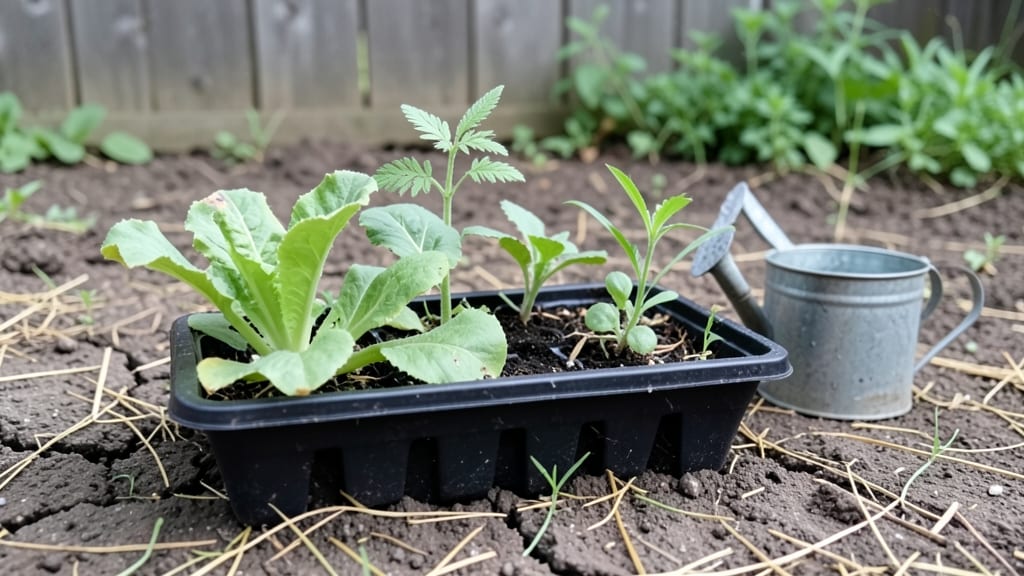
Mastering plant seedling identification by their leaves and stems saves you from pulling up your future tomatoes or herbs by mistake—only to realize they were your own seedlings hiding under the soil. grass clumps.
The key is learning just a few telltale traits: whether the leaves are smooth or fuzzy, lobed or serrated, and how the stem feels between your fingers.
You don’t need a botany degree—just a sharp eye and a few reference tools. A magnifying glass helps spot fine details like hairy stems or veined leaves, while apps like PlantNet let you snap a photo and get instant matches.
My go-to method? Keep a small notebook with sketches of seedlings I’ve already identified, so I can compare them later. Even a seed packet’s tiny illustration can be a lifesaver when you’re squinting at a 2-inch sprout.
Once you’ve got the ID down, the real fun begins: deciding what to keep and where to plant them. A correctly identified tomato seedling, for example, will reward you with heirloom-sized fruit by summer, while a misidentified weed would’ve just wasted your time.
Transplant carefully—those delicate roots need gentle handling—and soon you’ll be pinching off suckers or harvesting greens instead of pulling up mistakes.
This skill scales from a single container garden to a full backyard plot. The more you practice, the faster you’ll spot the differences between a basil seedling’s square stem and a purslane’s succulent leaves. Here’s how to start matching those early signs to the plants you’ll grow all season.
📚 In This Guide
- What you need
- Instructions
- Tips and common mistakes
- Wrapping up and next steps
What you need
- ● Seedlings or young plants (2–10, depending on your study focus—mix of common and unfamiliar species for practice).
- ● Ruler or measuring tape (12-inch or 30cm for precise leaf/stem measurements).
- ○ Magnifying glass (10x magnification, optional but helpful for fine details like leaf veins or hairs).
- ● Notebook or digital device (for sketching or noting observations—apps like iNaturalist or PictureThis work great!).
- ● Pencil and eraser (for quick, accurate sketches of leaf shapes, stems, and growth patterns).
- ○ Hand lens or dissecting microscope (optional, for examining trichomes or glandular structures).
- ● Field guide or plant ID app (e.g., PlantNet or Google Lens for real-time comparisons).
- ● Camera with macro mode (for high-resolution photos of key features like leaf arrangement or stem texture).
- ● Pruning shears or small knife (sterilized, for gently harvesting a leaf or stem sample if needed).
- ● Grow lights or sunny windowsill (to observe seedlings under consistent conditions).
- ● Moisture meter (to check soil hydration—dry or overly wet conditions can distort growth patterns).
- ● Printed dichotomous key (for regional plants, like those from your local nursery or wild areas).
- ● Labeling tags and markers (to track seedlings over time as they grow).
How to identify seedlings by leaf shape, stem, and growth patterns
Matching young plants to their mature forms saves time, prevents overcrowding, and helps you grow what you love.
Observe Leaf Shape and Arrangement
Start by examining the first true leaves—the ones that appear after the initial seed leaves (cotyledons). Each plant family has distinctive leaf shapes. For example, tomato seedlings have oval leaves with jagged edges, while basil leaves are broad and slightly pointed. Look for how leaves attach to the stem: some spiral around (like mint), while others grow opposite each other (like parsley). I always compare seedlings to a reference chart when in doubt.
Pay attention to leaf texture too. Smooth, waxy leaves might indicate a succulent, while fuzzy or hairy leaves often belong to plants like lamb’s ear. If the leaves feel rough or have a distinct aroma when crushed, note that—it’s another clue. For instance, dill seedlings smell strongly anise-like even when young, while cilantro leaves have a mild, fresh scent.
Examine Stem Structure and Growth Habit
The stem tells you whether a plant will grow upright, sprawl, or climb. Look for hairiness, thickness, or color changes. Tomato stems are sturdy and slightly square, while pepper seedlings have thin, wiry stems that may redden in sunlight. If the stem is hollow or has a milky sap when broken, it’s likely a member of the milkweed or milkweed-like family.
Observe how the plant grows—does it branch early (like basil) or stay single-stemmed (like parsley)? Early branching is a sign the plant will fill out quickly, while a single stem suggests slower, more controlled growth. I’ve found that seedlings with red or purple stems often need more light, as they’re stretching toward available sunlight.
Compare Cotyledons to True Leaves
The first leaves (cotyledons) often look different from the true leaves that follow. For example, bean seedlings have heart-shaped cotyledons, while their true leaves are compound with multiple leaflets. True leaves appear after the cotyledons fall off or shrink. If you’re unsure, wait until the second set of leaves emerges—this is when identification becomes much clearer.
Some plants, like squash, have cotyledons that look almost identical to their true leaves, but the arrangement changes. The cotyledons sit opposite each other, while true leaves grow alternately along the stem. I keep a small notebook nearby to sketch seedlings and note these differences—it’s easier to compare later.
Check Root and Soil Interaction
Gently remove a seedling from its pot to peek at the roots if needed. Deep, thick roots (like those of tomatoes) indicate a plant that will need staking, while fibrous, shallow roots (like lettuce) suggest a plant that prefers loose soil. If the roots are white and healthy, the seedling is thriving; if they’re brown or mushy, it’s overwatered or diseased.
Also, note how the plant interacts with the soil. Some seedlings, like radishes, grow quickly and may even push through the soil surface, while others, like carrots, stay compact. If the soil around the base is splashed with tiny droplets when you water, it’s a sign the plant is ready for a larger pot—roots are pressing against the container walls.
Use a Reference Guide or App
If you’re still unsure, pull out a seedling identification guide or use a gardening app. I rely on the Burpee Seedling Identifier app, which lets you upload photos of leaves and stems for instant matches. These tools compare your seedlings to a database of known plants, saving you from guesswork. Just make sure you’re taking clear photos in good light—blurry images make identification harder.
For a hands-on approach, keep a small binder with printed images of common seedlings. Flip through it while holding your plants side by side. You’ll start recognizing patterns quickly, like how most brassicas (cabbage family) have rounded, lobed leaves even as seedlings. The more you practice, the easier it gets.
Tips & tricks for perfect plant seedling identification
Identifying seedlings can feel overwhelming at first, but these practical tips will help you become more confident and accurate in your matches.
Leaf Texture and Scent Are Your Secret Weapons: In Step 1, when examining leaf texture, don't overlook the power of scent. Crush a leaf between your fingers—some plants have distinctive aromas even as seedlings. For example, dill's anise-like scent is unmistakable, while mint leaves release a strong fragrance when touched. This sensory clue can be the deciding factor when visual characteristics are similar. I've found that keeping a small notebook with scent descriptions helps me remember these details later.
Stem Color Reveals Light Needs: During Step 2, pay close attention to stem color changes. Seedlings with red or purple stems often indicate a light deficiency—they're stretching toward available sunlight. If you notice this, move the seedlings to a brighter location immediately. I've learned that seedlings with green stems tend to be more established and don't need additional light, while those with colored stems often respond dramatically within 24 hours of better lighting conditions.
Document Your Observations: Create a simple chart with columns for leaf shape, stem characteristics, and growth habits. As you examine each seedling in Steps 1-3, record your observations. I use a small spiral notebook where I sketch leaf shapes and note distinguishing features. This visual record becomes invaluable when you're comparing multiple seedlings or trying to identify something unfamiliar. The act of documenting forces you to look more closely at each plant's unique characteristics.
Root Examination Provides Critical Clues: When performing Step 4's root check, be gentle but thorough. The root structure tells you about the plant's maturity and growth habits. For instance, deep taproots (like those of tomatoes) indicate a plant that will need staking later, while fibrous roots suggest a plant that prefers loose, well-draining soil. I've found that even a quick root inspection can help differentiate between similar-looking seedlings, especially when leaf and stem characteristics are ambiguous.
Pro Tips for Plant Seedling Identification
- Identifying seedlings can feel overwhelming at first, but these practical tips will help you become more confident and accurate in your matches.
- Leaf Texture and Scent Are Your Secret Weapons: In Step 1, when examining leaf texture, don't overlook the power of scent.
- Stem Color Reveals Light Needs: During Step 2, pay close attention to stem color changes.
Frequently asked questions
Got questions about identifying your plant seedlings? You’re not alone! Here are some of the most common queries—and their answers—to help you navigate the process like a pro.
How do I tell if my seedling is healthy or diseased?
A healthy seedling has vibrant, firm leaves (no yellowing or browning), a sturdy stem, and strong roots. Signs of trouble include mushy stems (overwatering), holes or discoloration (pests), or stunted growth (nutrient deficiency). Check the undersides of leaves and soil moisture—early action makes all the difference!
When is the best time to identify seedlings for transplanting?
Transplant when seedlings have 2-4 true leaves (not just the initial cotyledons) and a thickened stem—usually 3-6 weeks after germination. Avoid transplanting on hot, windy days; early morning or late afternoon is ideal. Harden off seedlings 5-7 days before moving them outside to reduce shock.
What if my seedlings look identical? How can I tell them apart?
Compare leaf shape, texture, and venation—e.g., smooth vs. serrated edges or hairy vs. waxy leaves. Use a seedling ID chart or app like PictureThis to cross-reference. For herbs, smell the stems! If all else fails, check the seed packet for growth patterns or consult a local nursery expert.
Can I use a magnifying glass or phone app for better identification?
A 10x magnifying glass helps spot fine details like leaf hairs or stem texture. Apps like PlantNet or Google Lens let you snap photos for instant matches—just ensure good lighting and focus on leaves and stems, not flowers (if present). Pro tip: Take photos in natural light for clearer results.
My seedling’s leaves are curling—what’s wrong?
Curling leaves usually signal stress. Check these culprits:
- Underwatering: Soil feels dry; leaves crisp at edges.
- Overwatering: Yellowing + mushy stems.
- Pests: Tiny webs or bugs on undersides.
- Temperature shock: Drafts or sudden heat/cold.
Wrapping up and next steps
Mastering plant seedling identification is your first step toward a thriving garden! 🌱 By learning to recognize leaves, stems, and growth stages, you’ll confidently nurture young plants and give them the best start.
Whether you’re a beginner or a seasoned gardener, this visual guide empowers you to turn tiny sprouts into vibrant, healthy plants.
Ready to put your new skills to work? Start small—pick a few seedlings to observe daily, and soon you’ll be identifying them like a pro. Happy growing! 🌿