
Diseases
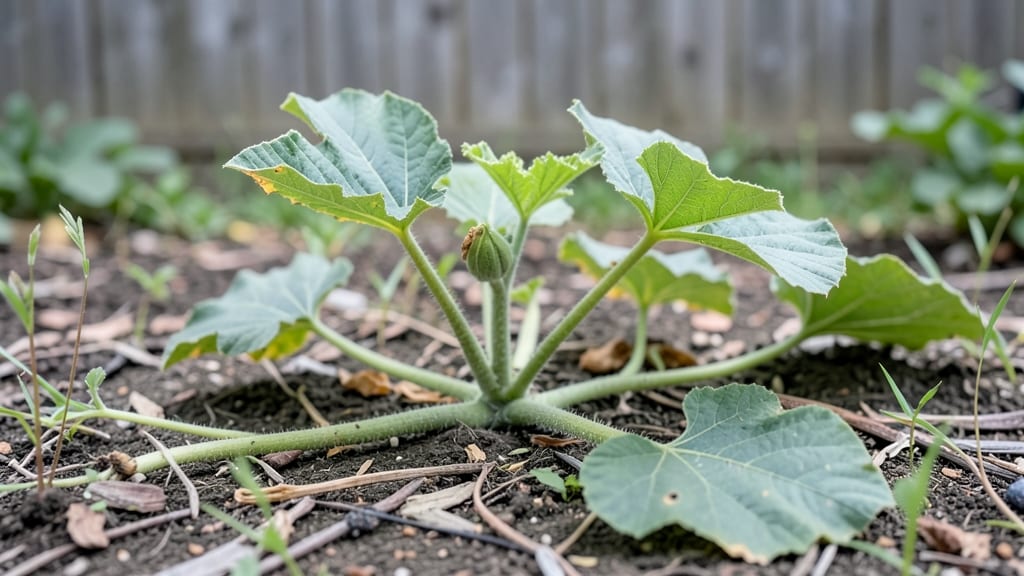
Pumpkin seedling leaves turning yellow can turn your hopeful starts into a wilted mess—but here’s the good news: most cases fix fast with the right tweaks. 🌱 I’ve seen yellowing go from alarming to healthy in just days by addressing the real culprit, whether it’s soggy soil, hungry roots, or sneaky pests.
The key is spotting the pattern—is it the oldest leaves? New growth? Or scattered spots?—because that tells you exactly what’s wrong.
Overwatering is the #1 offender, turning roots gray and suffocating seedlings before they even get a chance. But nutrient deficiencies—like too little nitrogen or magnesium—can also sneak up, leaving behind a sad, pale yellow.
Fungal issues or aphids might show up as yellowing with sticky residue or tiny bugs, and those need different fixes. The best part? None of these require fancy tools—just a closer look and a few simple adjustments.
You’ll have your seedlings back to a vibrant green in no time with targeted fixes: fluffing soil, feeding with compost tea, or blasting pests off with soapy water. The goal is to catch it early, before the yellow spreads to the whole plant.
Think of it like a checkup—quick, easy, and way better than waiting for the whole seedling to collapse.
This works for both garden beds and containers, and the same principles apply whether you’re growing jack-o’-lanterns or pie pumpkins. Let’s get those leaves perky again before they turn brown for good.
Underlying Causes Of Yellowing
When your pumpkin seedlings’ leaves start turning yellow, it’s often a cry for help from the plant itself. Understanding the root causes—whether biological, environmental, or nutritional—can help you take swift, targeted action. Below, we break down the most common reasons why this happens, along with the science behind each one.
Yellowing leaves in pumpkin seedlings are frequently linked to excess moisture, which can lead to anaerobic conditions in the soil. When roots sit in waterlogged soil, they struggle to absorb oxygen, causing root rot (often from Pythium or Phytophthora fungi).
This disrupts nutrient uptake, particularly chlorophyll production, leading to yellowing.
Additionally, overwatering can leach essential nutrients like nitrogen, magnesium, and iron from the soil, further stressing the plant. Young seedlings are especially vulnerable because their root systems are still developing and can’t efficiently regulate moisture.
Key signs:
- Yellowing starts at the older leaves (a sign of nutrient deficiency from poor uptake).
- Soil feels soggy or smells musty.
- Leaves may appear wilting despite excess water.
Pumpkin seedlings require a balanced mix of macronutrients (nitrogen, phosphorus, potassium) and micronutrients (iron, magnesium, zinc) to thrive. When leaves turn yellow, it’s often a sign of a specific deficiency, each with distinct patterns:
| Nutrient Deficiency | Symptoms | Why It Happens |
|---|---|---|
| Nitrogen (N) | Yellowing starts on older leaves (interveinal chlorosis), stunted growth. | Nitrogen is crucial for chlorophyll. Deficiencies occur when soil is leached (overwatered) or lacks organic matter. |
| Magnesium (Mg) | Yellowing between leaf veins (first on older leaves), purple stems. | Magnesium is central to chlorophyll. Poor soil structure, high soil pH, or excessive potassium can block its uptake. |
| Iron (Fe) | Young leaves turn pale yellow (interveinal), veins stay green. | Iron is immobile in plants, so new growth is affected first. High soil pH (alkaline) or calcium buildup locks iron out of reach. |
| Potassium (K) | Yellowing with brown edges or "scorching," weak stems. | Potassium regulates water and nutrient transport. Deficiencies arise from overwatering, poor soil, or excess sodium. |
Pro tip: 🔥 Conduct a simple soil test to identify deficiencies before guessing. Amend soil with compost or targeted fertilizers (e.g., chelated iron for iron deficiencies).
Pathogens like downy mildew, powdery mildew, or bacterial leaf spot can cause yellowing as they disrupt the plant’s ability to photosynthesize. These issues thrive in humid, poorly ventilated conditions and often appear alongside:
- Yellow spots with dark borders (bacterial infections).
- Fuzzy white growth (powdery mildew) or yellow, greasy patches (downy mildew).
- Leaves may crisp or drop prematurely.
Why it happens:
- Overcrowded seedlings reduce air circulation, trapping moisture.
- Watering from above spreads pathogens to leaves.
- Cool, damp weather (common in early spring/fall) encourages fungal growth.
Pro tip: 🌡️ Space seedlings 12–24 inches apart for airflow, and water at soil level (not overhead). Apply copper fungicide or neem oil preventatively.
Pumpkin seedlings are sensitive to temperature swings and light fluctuations. Extreme heat, cold, or insufficient sunlight can disrupt chlorophyll production, leading to yellowing:
- Heat stress: Leaves may turn yellow and crispy (especially in direct midday sun without acclimation).
- Cold damage: Yellowing with blackened edges (from frost or chilling injury).
- Light deficiency: Pale yellow leaves (etiolation) from being shaded or overcrowded.
Why it happens:
- Seedlings need 6–8 hours of sunlight daily for photosynthesis.
- Temperature extremes (below 50°F or above 90°F) damage cell membranes, halting nutrient transport.
- Plastic greenhouses can trap excess heat, while cloudy skies reduce light absorption.
Pro tip: ✨ Use shade cloth (30–50%) for young seedlings in hot climates, and row covers for frost protection. Gradually harden off seedlings to prevent shock.
By pinpointing the exact cause—whether it’s water-related, nutritional, pathogenic, or environmental—you can address the issue directly and restore your pumpkin seedlings to vibrant health. Stay tuned for actionable fixes in the next section! 🚀
Fix Yellowing Leaves Fast
Now that you know the root causes behind those sad, yellowing pumpkin seedling leaves, it’s time to roll up your sleeves and get to work! 🌱💪 The good news? Most fixes are simple, cost-effective, and can turn your struggling seedlings into thriving vines in no time.
Below, we’ve mapped out practical, step-by-step solutions for each common issue—plus pro tips to keep your pumpkins lush and green all season.
Signs: Yellowing leaves, soggy soil, wilting despite water, or roots smelling foul.
How to Fix It:
- 🌧️ Pause Watering Immediately
- Let the top 1–2 inches of soil dry out before watering again. Stick your finger in—if it’s damp, wait!
- 🏗️ Improve Drainage
- Repot if needed: If your seedlings are in containers, move them to pots with drainage holes (or add a layer of pebbles at the bottom).
- Amend the soil: Mix in perlite, sand, or coconut coir (20–30%) to loosen compacted soil. Avoid heavy clay mixes.
- 🌿 Air It Out
- Gently loosen the soil around roots with a fork or your fingers to improve airflow. Avoid disturbing roots too much!
- 💧 Water Smarter
- Water deeply but infrequently—aim for the soil, not the leaves. Use a watering can with a narrow spout for precision.
- Morning watering is best; it gives leaves time to dry before nightfall (reducing fungal risks).
💡 Prevention Tip:
- Test your soil’s moisture with a moisture meter or the finger test. Overwatering is the #1 killer of seedlings—trust the soil, not the calendar!
Signs: Crispy yellow edges, dry soil, wilted leaves that perk up after watering, or leaves curling upward.
How to Fix It:
- 💦 Give Them a Drink
- Water slowly and deeply until it drains from the bottom. Seedlings need 1–1.5 inches of water per week (more in heatwaves).
- 🌞 Protect from Scorching Sun
- Move seedlings to partial shade (e.g., under a 30–50% shade cloth or near taller plants) for a few days while they recover.
- If outdoors, water early morning or late evening to reduce evaporation.
- 🌱 Mulch Like a Pro
- Spread 1–2 inches of straw or shredded leaves around the base (but not touching stems) to retain moisture and cool roots.
- 🌡️ Adjust Temperature
- If nights are too hot (>85°F), use a fan on low to circulate air or move pots to a cooler spot.
💡 Prevention Tip:
- Group seedlings together to create a microclimate with higher humidity. Just don’t overcrowd—aim for 2–3 inches between plants!
Signs: Pale yellow leaves (especially older ones), stunted growth, or purple stems (nitrogen/phosphorus deficiency).
How to Fix It:
- 📊 Test Your Soil (Optional but Helpful)
- Grab a DIY soil test kit ($10–$20) or send a sample to your local extension office. This tells you exactly what’s missing.
- 💪 Quick Fixes for Common Deficiencies
| Problem | Solution | How to Apply |
|---|---|---|
| Nitrogen (Yellow Older Leaves) | Balanced fertilizer (10-10-10) or compost tea | Sprinkle granules around the base, water in. |
| Magnesium (Yellow Between Veins) | Epsom salt (1 tbsp per gallon of water) | Spray on leaves or water soil weekly for 3 weeks. |
| Iron (Yellow New Leaves) | Chelated iron supplement or used coffee grounds (acid-loving plants) | Mix 1 cup grounds into soil or use liquid iron. |
| Potassium (Weak, Yellow Edges) | Banana peel tea or wood ash (sparingly) | Steep peels in water for 2 days, use as fertilizer. |
- 🌿 Boost Organic Matter
- Mix well-aged compost or worm castings into the top 2 inches of soil. This releases nutrients slowly and improves soil structure.
💡 Prevention Tip:
- Fertilize lightly at first! Seedlings don’t need much—start with half-strength fertilizer and increase as they grow. Overfeeding burns roots.
Signs: Yellow spots with black/brown edges, mushy stems, or white powdery growth.
How to Fix It:
- 🧼 Remove the Problem
- Prune infected leaves with sterilized scissors (wipe with rubbing alcohol). Dispose of them in the trash (not compost).
- 🌿 Improve Airflow
- Space seedlings 4–6 inches apart and avoid overhead watering. Use a fan on low to keep humidity down.
- 💊 Apply Fungicide - Baking soda spray: Mix 1 tsp baking soda + 1 tbsp oil + 1 tsp mild soap per quart of water. Spray leaves every 7–10 days. - Neem oil: Spray 2% neem oil solution (follow label) to prevent further spread.
Reapply after rain. - Copper fungicide: For severe cases, use a store-bought copper-based spray (e.g., Bonide Copper Fungicide).
- 🌱 Repot if Necessary
- If the soil is contaminated, repot in fresh, sterile mix and disinfect containers with bleach (1 part bleach to 9 parts water).
💡 Prevention Tip:
- Rotate crops next season—don’t plant pumpkins or squash in the same spot where fungal diseases were an issue.
- Water at the base and avoid wetting leaves to prevent fungal spores from latching on.
Signs: Holes in leaves, chewed edges, sticky residue (aphid honeydew), or tiny white eggs on undersides.
How to Fix It:
- 🕷️ Identify the Culprit
- Aphids/Whiteflies: Tiny green/black bugs clustering on new growth.
- Cucumber beetles: Yellow/orange striped beetles chewing leaves.
- Slugs/Snails: Slimy trails and ragged holes.
- 🧲 Manual Removal
- Aphids: Blast off with a strong stream of water or wipe with a soapy sponge.
- Beetles: Handpick and drop into soapy water.
- Slugs: Set out beer traps (bury a cup filled with beer) or diatomaceous earth around the base.
- 🌿 Natural Repellents
- Spray with: 1 tsp dish soap + 1 quart water (for soft-bodied pests).
- Dust leaves with food-grade diatomaceous earth (reapply after rain).
- Plant companions: Interplant with marigolds, basil, or nasturtiums to deter pests.
💡 Prevention Tip:
- Inspect seedlings daily—catch pests early before they multiply!
- Use row covers (fine mesh fabric) to block beetles and flying insects.
Final Thought: Yellow leaves are your pumpkin seedlings’ way of saying, “Hey, something’s off—help me!” 🚨 With these targeted fixes, you’ll have them bouncing back in days to weeks. The key? Act fast, diagnose accurately, and keep conditions stable.
Soon, those vibrant green leaves will be back—and you’ll be harvesting jack-o’-lanterns (or pie pumpkins) like a pro! 🎃🍂
Frequently asked questions
Why do only the older leaves turn yellow first?
Older leaves yellow first when your pumpkin seedlings experience nutrient deficiencies or overwatering. The plant prioritizes sending nutrients to new growth, leaving older leaves to yellow as a natural process called senescence. Check for soggy soil or nitrogen deficiency if this pattern appears.
Can I save a seedling if the yellowing is from root rot?
It depends on how severe the rot is. If only the tips of roots are mushy, trim the damaged parts with clean scissors, repot in fresh, well-draining soil, and reduce watering. For advanced rot, the seedling may not recover—start fresh with healthy seeds or cuttings.
How do I tell if yellow leaves are from pests vs. disease?
Pests like aphids or beetles leave visible damage—holes, chewed edges, or sticky residue (honeydew). Diseases (e.g., powdery mildew) show as fuzzy white growth or yellow spots with dark borders. Check leaf undersides for tiny bugs or eggs to confirm pests.
Will Epsom salt fix yellowing from magnesium deficiency?
Yes! Mix 1 tablespoon of Epsom salt per gallon of water and spray on leaves or water the soil. Repeat weekly for 3 weeks. For prevention, add compost to your soil—it naturally contains magnesium. Avoid overusing Epsom salt, as too much can harm seedlings.
Can I still harvest pumpkins if seedlings had yellow leaves early?
Early yellowing often resolves itself as seedlings mature. The plant can recover if you address the root cause (like adjusting water or adding nutrients). Focus on keeping the plant healthy—fruit development depends more on later growth stages than seedling color.