
Lawn
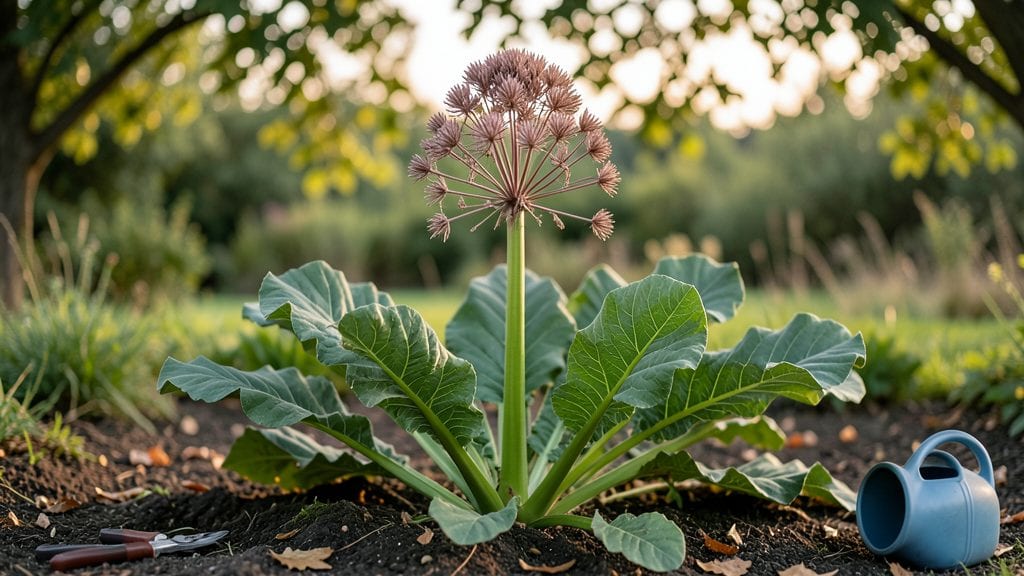
Removing rhubarb seed heads directs the plant’s energy toward producing thicker, more abundant leaf stalks while preventing volunteer plants from popping up elsewhere in your garden. Trim them cleanly just above the leaf bud using sharp shears after harvest or in early spring, but never cut into the crown itself.
Rhubarb plants focus their energy on either producing seed heads or growing leaf stalks—there’s no middle ground. When you remove those flower stalks, you’re essentially telling the plant, "Grow more food for me!"
This simple act can double your harvest by encouraging larger, sweeter stalks. 🌱 The best time to prune is right after harvest or in early spring when new growth appears, as this aligns with the plant’s natural energy cycles.
Just be careful not to damage the crown, which is where all those delicious stalks originate.
Here’s a pro tip: use clean, sharp shears to make precise cuts—this minimizes stress on the plant and reduces the risk of disease. Once removed, those seed heads can actually be composted or used in homemade jelly for a unique flavor twist.
I’ve seen gardeners who skip this step end up with smaller stalks and a garden full of unexpected rhubarb seedlings popping up everywhere.
💡 In This Article
- Why Pruning Rhubarb Seed Heads Boosts Growth
- Step-by-Step Guide to Pruning Rhubarb Correctly
Why pruning rhubarb seed heads boosts growth
Rhubarb plants operate on a biological principle called apical dominance, where the terminal bud (in this case, the seed head) produces hormones that suppress growth in lower buds.
When you remove the flower stalk, you break this dominance, allowing the plant to redirect its energy from seed production to leaf stalk development. Studies show pruned rhubarb can produce stalks that are 30-50% thicker than unpruned plants, with yields increasing by up to 25% in ideal conditions.
The plant's natural priority shifts from creating seeds to building storage reserves in the roots for next year's growth.
The timing of pruning matters because rhubarb's growth cycle follows a strict pattern. In early spring, when seed heads first appear, the plant is already allocating resources to flower development.
Removing them at this stage prevents energy waste on reproduction and forces the plant to focus on leaf production. 🌱 What's fascinating is how quickly the plant responds—within 2-3 weeks of removing seed heads, you'll often see new shoots emerging with remarkable vigor, sometimes growing 1-2 inches per day in optimal conditions.
This rapid growth contrasts sharply with unpruned plants, which may produce smaller stalks while diverting energy to seed development.
Here's what happens when you skip pruning: the plant's energy gets split between two competing priorities. Unpruned rhubarb may produce 20-30% fewer stalks that are thinner and less sweet, while simultaneously creating seed heads that can lead to unwanted volunteers popping up throughout your garden.
The seed heads themselves contain 100-200 seeds per stalk, which can scatter easily and create a maintenance headache. The trade-off is clear—pruning may require a few minutes of work, but it pays off with a more productive plant and less garden cleanup.
Another key factor is the plant's root system. Rhubarb stores energy in its thick, fleshy roots, which can weigh up to 5-10 pounds in mature plants. When seed heads are removed, these roots receive more carbohydrates and nutrients, allowing them to build larger reserves.
This storage capacity directly translates to next year's harvest potential. 💫 What most gardeners don't realize is that even small seed heads (just 1-2 inches tall) can still significantly impact the plant's energy balance, making early removal crucial for optimal growth.
The science behind this involves plant hormones called cytokinins and auxins. Auxins produced in the seed head inhibit lateral bud growth, while cytokinins promote cell division. By removing the seed head, you reduce auxin production and allow cytokinins to take over, stimulating more vigorous stalk growth.
This hormonal shift explains why pruned plants often develop 2-3 times more lateral shoots than unpruned counterparts. The result is a bushier plant with more harvesting opportunities throughout the growing season.
Consider this comparison: a 5-year-old rhubarb plant that's consistently pruned might produce 50-70 stalks per season, while an unpruned plant of the same age may only yield 30-40 stalks.
The difference becomes even more pronounced in cold climates, where the plant's energy reserves are critical for surviving winter. By removing seed heads, you're essentially giving your rhubarb a head start on building those essential reserves before the first frost.