Picking
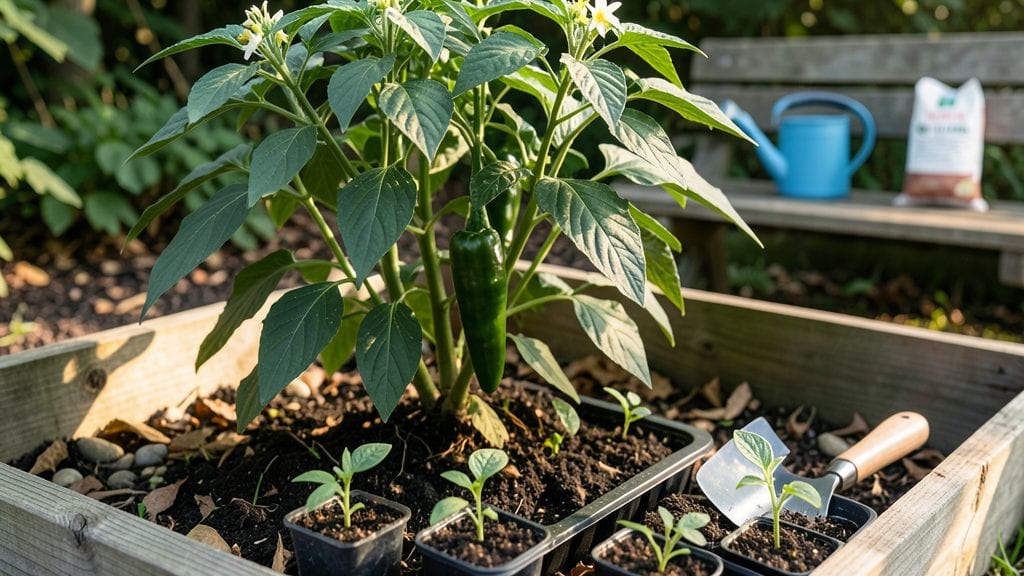
Starting jalapeno seeds indoors gives you a head start on a fiery harvest, and I’ve cracked the code after years of trial and error. The secret isn’t fancy equipment—it’s timing, warmth, and patience.
Most beginners rush the process, but a few extra weeks indoors means bushier plants that hit the garden already strong.
You’ll need a seed-starting tray, sterile seed mix, and a heat mat or sunny windowsill—no greenhouse required. Plant seeds just ¼-inch deep and keep the soil moist but never soggy.
Germination takes 7-14 days if the soil stays between 75-85°F, and that’s where most people mess up. Too cold? They rot. Too hot? They dry out.
Once sprouts appear, you’ll see thick, vibrant stems within weeks—nothing like the spindly transplants you buy at stores. With proper light and spacing, these plants grow into sturdy bushes ready for transplanting by late spring. The payoff? Homegrown jalapeños that outperform store-bought every time.
Whether you’re growing in pots or straight into the garden, this method works for any climate. The key is consistency—water gently, thin seedlings early, and harden them off before moving outside. Ready to grow your own heat?
📚 In This Guide
- What you need
- Instructions
- Tips and common mistakes
- Wrapping up and next steps
What you need
- ● Jalapeño seeds: 5–10 seeds (or 1–2 seed packets for multiple plants). Opt for organic, heirloom, or hybrid varieties like ‘Early Jalapeño’ or ‘Big Jim’ for best results.
- ● Seed-starting trays or pots: 2–4 small pots (3–4 inches deep) or a seed-starting tray with individual cells. Ensure they have drainage holes!
- ● Seed-starting mix: 1–2 cups of lightweight, sterile potting soil (avoid garden soil—it’s too dense!). Look for a mix labeled "seed-starting" or "organic potting soil."
- ● Plastic wrap or humidity dome: A small piece of plastic wrap or a clear plastic lid to create a mini greenhouse effect.
- ● Spray bottle: 8–16 oz with water (for gentle misting). Avoid soaking the soil.
- ● Grow lights or sunny windowsill: A LED grow light (12–16 hours/day) or a south-facing window with 6+ hours of direct sunlight daily.
- ○ Heat mat (optional but helpful): A seedling heat mat (70–80°F range) speeds up germination for faster sprouts.
- ● Fertilizer: A balanced, water-soluble fertilizer (5-5-5 or 10-10-10) diluted to half-strength for seedlings.
- ● Plant labels: Small wooden or plastic labels + a marker to track varieties.
- ● Transplanting tools: A small trowel or spoon for moving seedlings later.
- ○ Calcium carbonate (optional): A pinch in the soil prevents "blossom end rot" later.
- ○ Thermometer (optional): To monitor soil temperature (ideal germination range: 75–85°F).
Step-by-Step instructions for seeding jalapeno peppers
Here's how to get strong, healthy jalapeno plants ready for transplanting in just a few weeks.
Prepare Containers and Starting Mix
Fill your containers with 2-3 inches of the seed-starting mix—this lightweight blend drains perfectly and prevents the compacted soil that stunts young roots. I like to press it down gently with my fingers until it's firm but not packed. The goal is a surface that holds its shape when touched but still lets moisture move through easily.
Jalapenos need warmth to germinate, so place the containers in a spot where soil stays between 75-85°F. A seedling heat mat works wonders here, especially if your home runs cooler. If you don’t have one, set the trays on top of your refrigerator or near a sunny window during the day—the extra heat speeds up germination significantly.
Plant the Seeds at the Right Depth
Sow 2-3 seeds per cell at a depth of about ¼ inch—this is roughly the size of the seed itself. Planting too deep forces seedlings to push through extra soil, which exhausts their energy before they even reach the light. I use a toothpick to poke small holes, then drop the seeds in one at a time.
Cover them lightly with a sprinkle of the same mix, just enough to hide the seeds but not bury them. Mist the surface with a spray bottle until the mix feels evenly damp—think of a wrung-out sponge, not a dripping wet mess. Label each container with the date and variety, because once those first green shoots appear, identical-looking trays will blur together quickly.
Provide Warmth and Humidity for Germination
Cover the trays with a clear plastic dome or wrap them in plastic wrap to trap warmth and moisture. Jalapeno seeds germinate best in 75-85°F conditions, so keep them in a warm spot away from drafts. Check daily for condensation on the plastic—this is normal, but wipe it away if it starts dripping onto the soil.
Germination usually takes 7-14 days, depending on your home’s temperature. Once you see the first green sprouts, remove the cover immediately—too much humidity after germination invites damping-off, a fungal disease that collapses seedlings overnight. Keep the soil consistently moist but never soggy, and watch for those first true leaves to appear.
Move to Bright Light and Encourage Bushy Growth
As soon as seedlings emerge, place them under grow lights or in the sunniest window you have. Jalapenos need 14-16 hours of light daily to grow strong and compact. If you notice stems stretching toward the light with leaves spaced far apart, your light source is too far away—move it within 2-3 inches of the plants.
Once seedlings have 2-3 sets of true leaves, thin to the strongest plant per cell. Snip the weaker ones at the base with clean scissors—don’t pull, or you’ll disturb the roots of the remaining plants. Fertilize lightly with a balanced liquid fertilizer (like 10-10-10) diluted to half strength. This encourages bushy growth without overwhelming tender roots.
Harden Off Before Transplanting
About 2 weeks before your last frost date, begin hardening off your jalapenos. Start by placing them outside in a sheltered spot for 1-2 hours the first day, then gradually increase their time outdoors by 1 hour daily. This slows their adjustment to sun, wind, and temperature swings.
By the time they’re ready to transplant, they should tolerate a full day outside without wilting. Choose an overcast afternoon to move them to the garden, and water deeply at the base to help them settle in. Space them 18 inches apart in well-draining soil with full sun—this gives them room to grow into strong, productive plants.
Tips & tricks for perfect jalapeno seedlings
These simple strategies will help you avoid common pitfalls and grow sturdy, healthy jalapeno plants that thrive from seed to harvest.
Soil Temperature Matters: The 75-85°F range in Step 1 and Step 3 is non-negotiable for germination. If your home runs cooler, consider using a seedling heat mat—it creates that ideal environment without extra effort. I've seen germination times double when seeds sit in temperatures below 70°F, so don't skip this crucial step. For extra warmth, place your trays on top of your refrigerator during the day when it's coolest in your home.
The Light Factor: Those 14-16 hours of light in Step 4 are essential for preventing leggy seedlings. If you notice stems stretching toward the light with leaves spaced far apart, your plants are begging for more intensity. Move your grow lights within 2-3 inches of the seedlings—they'll thank you with compact, bushy growth. A sunny south-facing window works, but cloudy days mean supplementing with artificial light. I keep mine under LED grow lights set to a timer for consistency.
Thinning Technique: When you reach Step 4 and need to thin to the strongest plant per cell, use clean scissors to snip at the base rather than pulling. This prevents disturbing the roots of your remaining seedlings. I like to do this in the morning when the plants are turgid and healthy—it gives them the best chance to recover quickly. After thinning, give your seedlings a light watering to help them settle into their new space.
Harden Off Gradually: The 2-week hardening process in Step 5 can't be rushed. Start with just 1-2 hours on the first day and increase by 1 hour daily. I've seen seedlings wilt dramatically when moved outside too quickly—it's heartbreaking after all that careful nurturing. On windy days, provide some shelter with a mesh screen or place them in a sheltered corner of your yard. This gradual approach builds their resilience for the big move to the garden.
Pro Tips for Seeding A Jalapeno
- These simple strategies will help you avoid common pitfalls and grow sturdy, healthy jalapeno plants that thrive from seed to harvest.
- Soil Temperature Matters: The 75-85°F range in Step 1 and Step 3 is non-negotiable for germination.
- The Light Factor: Those 14-16 hours of light in Step 4 are essential for preventing leggy seedlings.
Frequently asked questions
Got questions about seeding jalapeños? You’re not alone!
Here are answers to the most common concerns, from timing to troubleshooting, so you can grow bold, bushy plants with confidence.
When is the best time to plant jalapeño seeds?
Jalapeños thrive in warm soil (60–85°F). Start seeds indoors 8–10 weeks before your last frost date, then transplant outdoors after all danger of frost has passed. If your climate is hot year-round, direct-sow seeds outdoors in spring once soil warms up. Patience pays off—rushing can stunt growth!
How long does it take for jalapeño seeds to germinate?
Germination usually takes 7–21 days, depending on moisture, temperature, and seed freshness. Keep soil consistently moist (not soggy) and warm (70–80°F). If seeds don’t sprout in 3 weeks, they may need a soak in warm water for 24 hours before replanting. Pro tip: Use a seedling heat mat for faster results!
Can I grow jalapeños from store-bought peppers?
Yes, but with caution! Save seeds from organic, heirloom, or non-hybrid jalapeños (avoid hybrids like "Big Jim"). Rinse and dry the seeds thoroughly, then plant them. Store-bought conventional peppers often have treated seeds that won’t sprout. For guaranteed success, buy seeds from a reputable supplier.
What should I do if my jalapeño seedlings look leggy or weak?
Leggy seedlings need more light! Move them to a sunny windowsill or under grow lights (14–16 hours/day). Bury stems deeper when transplanting to encourage root growth. Avoid overcrowding—space seedlings 12–18 inches apart. If pests like aphids attack, spray with soapy water or neem oil for a natural fix.
Why aren’t my jalapeños producing peppers?
Common culprits include lack of sunlight (jalapeños need 6+ hours of direct sun daily), poor pollination (shake plants gently or hand-pollinate with a paintbrush), or nutrient deficiencies. Feed plants with a balanced fertilizer (like 10-10-10) every 4–6 weeks. If plants are stressed (e.g., drought or extreme heat), they’ll prioritize survival over fruiting.
Wrapping up and next steps
Seeding jalapeño peppers is a rewarding journey that starts with patience and the right techniques!
By following these foolproof steps—from selecting quality seeds to nurturing your seedlings with care—you’ll be on your way to a bushy, thriving plant in just weeks. 🌱✨ Whether you’re a beginner or a seasoned gardener, the key is consistency and attention to detail.
Now that you’re armed with knowledge, it’s time to roll up your sleeves and get growing! Start with just a few seeds, experiment with your setup, and soon you’ll be harvesting your own fiery jalapeños. Happy gardening—your future spicy harvest awaits! 🌶️💚