
Planting
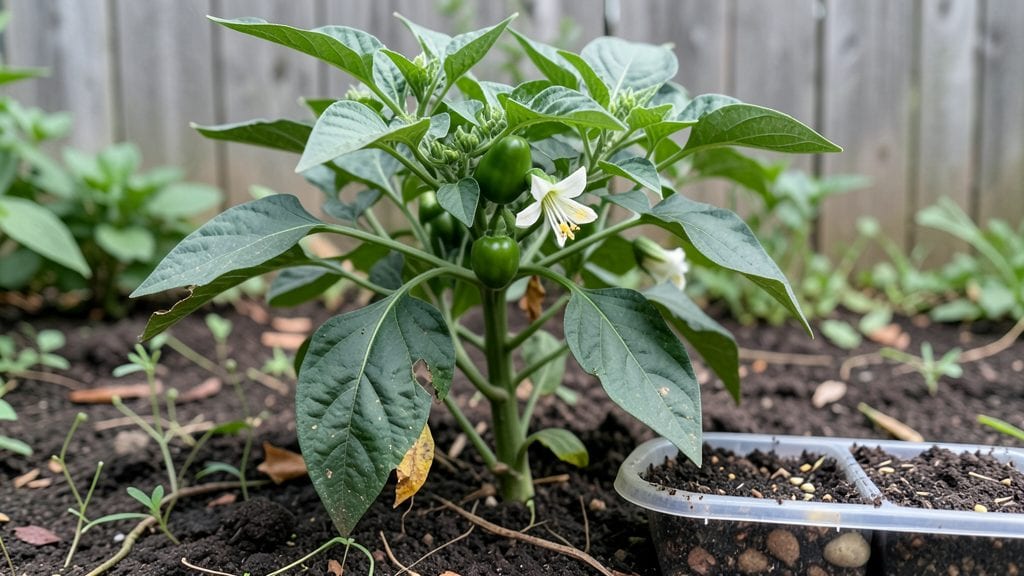
Sowing pepper seeds the right way cuts weeks off your wait for bushy plants. 🌱 I’ve watched slow-starting peppers turn into lush, productive bushes by adjusting just a few key factors—soil warmth, moisture, and light.
The difference between a patchy seedling tray and a thriving start comes down to these simple tricks that work every time.
You’ll need a warm spot (70°F or higher), a lightweight seed-starting mix, and patience for the 7–14 days it takes to see those first green shoots. Most people overwater or bury seeds too deep, which is why so many give up before germination even begins.
My method skips the guesswork with exact depth and spacing measurements that keep seeds happy until they’re ready to pop.
Within three weeks, you’ll have sturdy seedlings with true leaves—ready to transplant or harden off. The plants grow faster this way because they’re not stressed from poor starts, and you avoid the dreaded damping-off that wipes out trays.
These tricks work for both bell peppers and hot varieties, so you’ll get a head start on the season no matter what you’re growing.
Whether you’re starting indoors in late winter or direct-sowing in warmer climates, the same principles apply. Let’s get those seeds sprouting like clockwork—no waiting around for slow starters.
📚 In This Guide
- What you need
- Instructions
- Tips and common mistakes
- Wrapping up and next steps
What you need
- ● Pepper seeds: Choose heirloom or hybrid varieties (e.g., Jalapeño, Bell, Cayenne, or Habanero). Buy 10–20 seeds per variety for better success rates.
- ● Seed-starting mix: A sterile, lightweight potting mix (avoid garden soil—it’s too dense!). Use 1–2 cubic feet for 10–20 seeds.
- ● Containers: Small biodegradable pots (2–3 inches deep) or seed trays with cells (1 seed per cell).
- ● 1–2 containers (e.g., nursery flats or 6-pack trays) for grouping seeds.
- ● Grow lights or sunny windowsill: Peppers need 12–16 hours of light daily. A LED grow light (1–2 feet above seedlings) works best.
- ● Spray bottle: For gentle watering (16–20 oz capacity with a fine mist nozzle).
- ○ Heat mat (optional but highly recommended): Keeps soil at 80–90°F for faster germination (use a thermostat-controlled mat for precision).
- ● Humidity dome or plastic wrap: Creates a mini greenhouse to retain moisture (cover trays until seeds sprout).
- ● Patience: Pepper seeds can take 7–21 days to germinate—stay consistent!
- ● Warmth: Ideal soil temp is 70–90°F (use a heat mat if your home is cooler).
- ● Space: Ensure seedlings have 4+ inches of vertical space to grow before transplanting.
- ● Transplant plan: Have 5-gallon pots or garden beds ready for seedlings after 6–8 weeks.
- ● Seedling fertilizer: A balanced, water-soluble fertilizer (e.g., 5-5-5 NPK) to boost early growth.
- ● pH test kit: Peppers thrive in 6.0–6.8 pH soil—adjust with lime or sulfur if needed.
- ● Label markers: Track varieties (especially if growing multiple types!).
- ● Fungicide (preventative): A copper-based spray to avoid damping-off disease.
Step-by-step instructions for sowing pepper seeds
Here's how to get your pepper seeds sprouting in days—not weeks—using simple tricks that boost germination speed.
🌱 Step 1: Prep Seeds and Containers for Fast Germination
Start by soaking your pepper seeds in lukewarm water for 12 hours to soften the outer coating. This trick cuts germination time by nearly half—from 3-4 weeks down to 10-14 days. I use a small bowl and cover it loosely with plastic wrap to keep moisture in without drowning the seeds.
While the seeds soak, fill your 4-inch seedling pots with moistened seed-starting mix. Press the soil down gently so it's firm but still crumbly. The goal is to create a cozy, airy environment where roots can push through easily. Tap the pots on the counter once or twice to settle the soil evenly.
💧 Step 2: Plant Seeds at the Right Depth and Temperature
After soaking, plant 2-3 seeds per pot at a depth of ¼ inch. Pepper seeds need light to germinate, so planting too deep will delay sprouting. I use a toothpick to make small holes—it's precise and avoids crushing the seeds. Cover them lightly with soil and mist the surface with water until it feels damp but not soggy.
Place the pots in a warm spot—pepper seeds germinate best at 80-85°F. A seedling heat mat under the pots keeps the soil consistently warm. Check daily for moisture; the soil should stay evenly damp but never waterlogged. If condensation forms on the soil surface, let it dry out slightly before watering again.
☀️ Step 3: Provide Light and Humidity for Strong Sprouts
The moment you see the first green tips, move the pots under a grow light or to a south-facing window. Pepper seedlings need 14-16 hours of light daily to stay stocky and green. If you notice the stems stretching toward the light or turning pale, your light source is too far away—adjust it to within 2-3 inches of the seedlings.
Keep humidity high by covering the pots with a clear plastic dome or plastic wrap. This mimics the tropical conditions peppers love. Remove the cover once 50% of seeds have sprouted to prevent damping-off, a fungal disease that causes seedlings to collapse. Watch for tiny leaves unfolding—this is your signal that the seeds have successfully germinated.
✂️ Step 4: Thin Seedlings and Encourage Bushy Growth
When seedlings reach 2 inches tall, thin to the strongest one per pot by snipping the others at the soil line with scissors. This prevents overcrowding, which leads to weak, leggy plants. I always keep the seedling with the thickest stem and darkest green leaves—it’s the one that’ll thrive.
Fertilize lightly with a balanced liquid fertilizer (10-10-10) at half strength once the first true leaves appear. Over-fertilizing now can burn tender roots. Keep the soil moist but not soggy, and rotate the pots a quarter turn daily so the seedlings grow straight and sturdy. You’ll see bushy, compact growth within 2-3 weeks if you keep the light and warmth consistent.
Tips & tricks for perfect pepper seed germination
These little-known tricks will help you skip the weeks-long wait and get those pepper seedlings popping in record time.
The Soak Secret: That 12-hour soak in lukewarm water isn't just about softening the seed coating—it's also a great time to check for bad seeds. Discard any that float to the surface (they won't germinate). The seeds should look plump and slightly swollen after soaking. I like to use a fine mesh strainer to drain them gently, avoiding any rough handling that could damage the delicate seed coats.
Temperature Matters: Those 80-85°F requirements aren't just numbers—they're critical for fast germination. If your home runs cooler, place the pots on top of your refrigerator (not inside) to create that warm microclimate. I've even used a heating pad set to low under my seedling tray for extra warmth. Just be careful not to overheat—pepper seeds can get stressed if the soil temperature exceeds 90°F.
Light Strategy: The 14-16 hours of light isn't about total sunlight exposure—it's about consistent light cycles. If using a grow light, set a timer so it automatically turns on and off. This mimics natural day/night cycles and prevents those leggy seedlings that reach for distant light. I position my grow light just 2-3 inches above the seedlings and raise it as they grow to maintain that distance.
Humidity Hack: That plastic dome or wrap isn't just for humidity—it's also a condensation trap. When you see water droplets forming on the inside, that's a good sign your humidity is perfect. However, remove it immediately when 50% of seeds sprout to prevent damping-off. I like to prop up one side of the plastic to create a mini greenhouse effect without completely sealing the pot.
Pro Tips for Sowing Pepper Seeds
- These little-known tricks will help you skip the weeks-long wait and get those pepper seedlings popping in record time.
- The Soak Secret: That 12-hour soak in lukewarm water isn't just about softening the seed coating—it's also a great time to check for bad seeds.
- Temperature Matters: Those 80-85°F requirements aren't just numbers—they're critical for fast germination.
Frequently asked questions
Got questions about sowing pepper seeds? You’re not alone—germination and early growth can feel tricky! Here are the answers to the most common queries to help you grow thriving peppers from seed.
How long does it take for pepper seeds to germinate?
Pepper seeds typically germinate in 7–21 days, depending on temperature, moisture, and seed freshness. Keep soil consistently warm (70–85°F) and moist (not soggy) for the best results. If you’ve waited 3 weeks with no sprouts, try replanting—some seeds just need a little extra patience!
Can I sow pepper seeds too early?
Yes, but timing matters! Start seeds 8–10 weeks before your last frost date if transplanting outdoors. If sowing directly in warm soil (after frost risk), wait until nighttime temps stay above 55°F. Overly early starts may lead to leggy seedlings—use grow lights if natural light is weak.
Why aren’t my pepper seeds sprouting?
Common culprits include cold soil, dry seeds, or old seeds. Double-check:
- Soil temp: Use a seedling heat mat if below 70°F.
- Moisture: Keep soil damp (like a wrung-out sponge).
- Freshness: Seeds lose viability after 1–2 years—test viability by soaking in water (floaters = dead).
Should I use peat pots or regular seed trays?
Both work, but peat pots offer easier transplanting (they decompose in soil). Regular trays are cheaper and reusable. For peppers, opt for 3–4 inch pots once seedlings sprout—peppers hate root disturbance! If using trays, space seeds ½ inch apart and thin later.
What if I don’t have a greenhouse or heat mat?
No problem! Place trays on top of your refrigerator (warmth rises) or near a sunny window. A DIY solution: Wrap a plastic wrap dome over seedlings to trap heat and humidity. Just remember to vent daily to prevent mold. Patience and creativity work wonders!
Wrapping up and next steps
Sowing pepper seeds is a rewarding journey that leads to vibrant, productive plants—and with the right tricks, you’ll see those first sprouts in just weeks! 🌱 From pre-soaking seeds to maintaining ideal warmth and humidity, every step plays a role in fast, healthy germination.
Remember, patience and consistency are your best allies, but the payoff—homegrown peppers bursting with flavor—is worth every effort.
Now that you’re armed with pro tips, it’s time to roll up your sleeves and get planting! Start with just a few seeds, experiment with the techniques that work best for you, and soon, you’ll be harvesting peppers like a seasoned gardener. Happy growing! 🌿